
AI: 😈 Jack Nicholson, 👑 Laurence Olivier, and 😎 Paul Newman: Oscars Best Actor and Supporting Actor Nominations 🏆
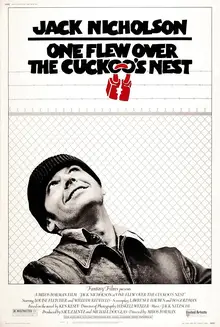
Jack Nicholson:
“With my sunglasses on, I’m Jack Nicholson. Without them, I’m fat and sixty.”
This quote encapsulates Nicholson’s playful self-deprecation and awareness of his iconic status. It also hints at the complexities of fame and the challenges of aging in the public eye.
Laurence Olivier:
“Acting is a masochistic form of exhibitionism. It is not quite the occupation of an adult.”
Olivier’s quote reveals the demanding and often emotionally draining nature of acting. The willingness to expose oneself and delve into complex emotions requires a certain level of vulnerability and self-sacrifice.
Paul Newman:
“Acting is a question of absorbing other people’s personalities and adding some of your own experience.”
Newman’s quote highlights the transformative nature of acting and the importance of empathy and personal connection. Great acting involves not just mimicry but also a deep understanding of human nature and the ability to channel one’s experiences into a performance.
AI: 🏛️ Thomas Jefferson, 🏡 James Madison, and 🏞️ James Monroe: Homes in Virginia

Thomas Jefferson: “I am as happy nowhere else and in no other society, and all my wishes end, where I hope my days will end, at Monticello.”
James Madison: “The soil of Montpelier is a better investment than any money I can put into the bank.”
James Monroe: “I shall…be happy when I can retire beyond their reach in peace to my farm (Highland).”
AI: George Washington, Thomas Jefferson, Theodore Roosevelt, and Abraham Lincoln Compared: Mount Rushmore, South Dakota 🗻⚒️

Here are four quotes, one from each of the presidents featured on Mount Rushmore:
George Washington: “Let your heart feel for the afflictions and distress of everyone, and let your hand give in proportion to your purse.”
Thomas Jefferson: “I am not an advocate for frequent changes in laws and constitutions, but laws and institutions must go hand in hand with the progress of the human mind.”
Theodore Roosevelt: “The credit belongs to the man who is actually in the arena, whose face is marred by dust and sweat and blood.”
Abraham Lincoln: “Government of the people, by the people, for the people, shall not perish from the earth.”
AI: 🎻 Mozart, 🎼 Beethoven, and 🩰 Tchaikovsky Compared: Masters of Classical Music 🎹
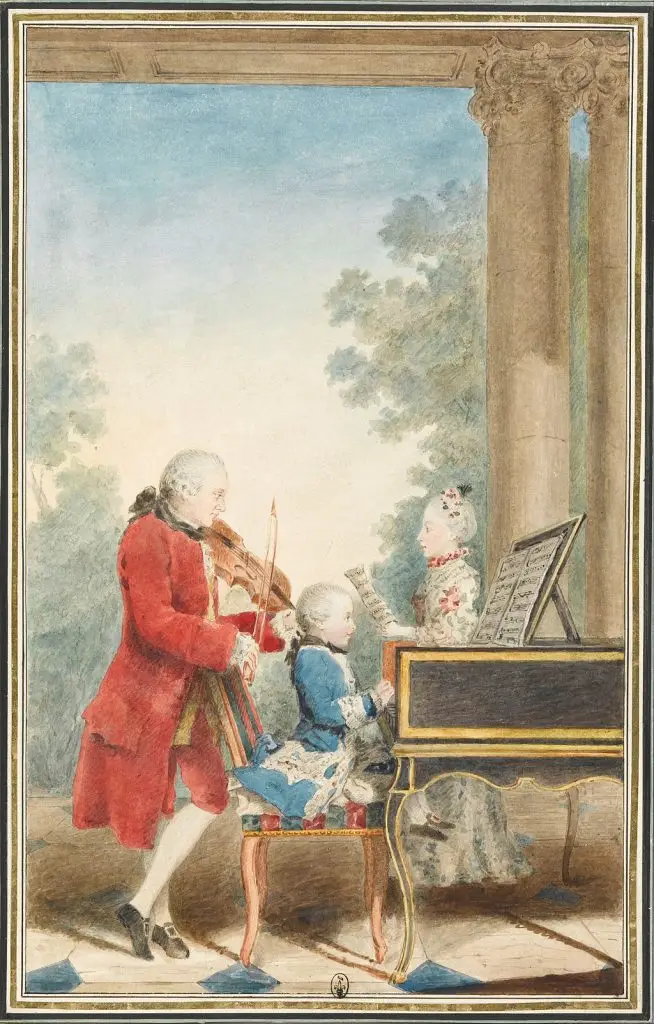
Mozart:
“The music is not in the notes, but in the silence between.”
This quote emphasizes Mozart’s understanding of the importance of phrasing, timing, and the spaces between the notes in creating a meaningful musical experience.
Beethoven:
“Music is the mediator between the spiritual and the sensual life.”
This quote reflects Beethoven’s belief in the transcendental power of music to connect the human spirit with the physical world, expressing emotions and ideas that transcend language.
Tchaikovsky:
“I am not a hero, but I have the courage of my convictions. I would rather be disliked for what I am than loved for what I am not.”
This quote reveals Tchaikovsky’s honesty and determination to stay true to himself and his artistic vision, even in the face of criticism and societal pressure.
AI: 🪶 Nerva, 🦅 Trajan, 🧭 Hadrian, ⚖️ Antoninus Pius, and 📘 Marcus Aurelius Compared: Pax Romana, Five Good Emperors
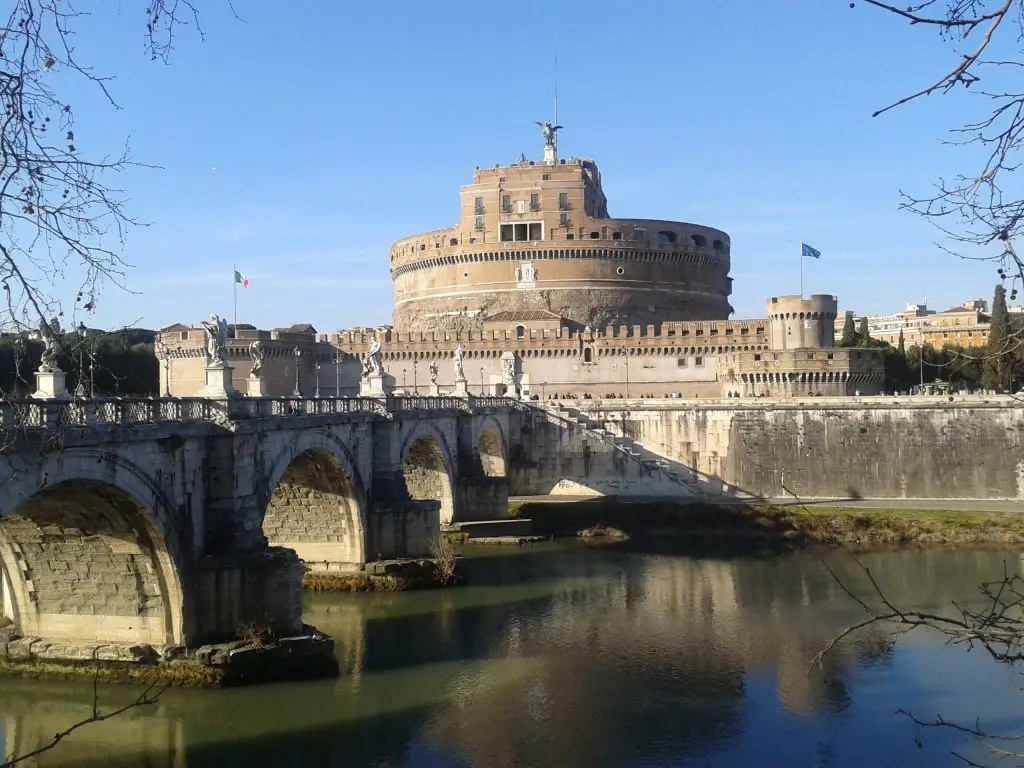
Nerva: “Good government is knowing when to yield.” This quote reflects Nerva’s conciliatory approach and willingness to compromise to maintain stability in the empire.
Trajan: “I am the master of the world, but the law is the master of me.” This quote demonstrates Trajan’s respect for the rule of law and his commitment to just governance, even as a powerful emperor.
Hadrian: “I have visited the world and found nothing better than Rome.” This quote reveals Hadrian’s deep admiration for Rome and dedication to preserving and enhancing its cultural heritage.
Antoninus Pius: “It is better to save one citizen than to kill a thousand enemies.” This quote highlights Antoninus Pius’ peaceful nature and his prioritization of the well-being of his people over military conquest.
Marcus Aurelius: “The happiness of your life depends upon the quality of your thoughts.” This quote, taken from Aurelius’ philosophical work “Meditations,” emphasizes the importance of inner peace and the power of one’s thoughts to shape one’s life.
AI: 🦑 Jules Verne, 👽 H. G. Wells, and 🤖 Arthur C. Clarke Compared: Science Fiction

Jules Verne: “Anything one man can imagine, other men can make real.” – This quote captures Verne’s optimistic view of human ingenuity and the potential of science and technology to turn imagination into reality.
H.G. Wells: “If we don’t end the war, war will end us.” This quote reflects Wells’s deep concern about warfare’s destructive potential and the need for humanity to find peaceful solutions to conflict.
Arthur C. Clarke: “Any sufficiently advanced technology is indistinguishable from magic.” – This quote, often referred to as Clarke’s Third Law, highlights the awe and wonder that advanced technology can inspire, suggesting that the most advanced technologies may appear magical to those who do not understand them.
AI: 🌸 André Le Nôtre, 🌳 Lancelot ‘Capability’ Brown, and 🌲 Frederick Law Olmsted Compared: Gardeners

André Le Nôtre: “Symmetry is the language of order and grandeur.” This reflects Le Nôtre’s emphasis on geometric precision and formal design in creating visually impressive landscapes.
Lancelot “Capability” Brown: “Consult the genius of the place in all.” This highlights Brown’s philosophy of working with the natural landscape, enhancing its inherent beauty rather than imposing a rigid structure.
Frederick Law Olmsted: “A park is a work of art, designed to produce certain effects upon the mind of men.” This underscores Olmsted’s belief in the power of parks to provide recreational spaces and positively influence the well-being and mental state of those who experience them.
AI: 🏟️ Colosseum, 🔆 Pantheon, and 🕌 Hagia Sophia Compared: Roman Engineering and Architecture
Colosseum: “While stands the Colosseum, Rome shall stand; when falls the Colosseum, Rome shall fall; and when Rome falls the world.” – This quote, often misattributed to the Venerable Bede, captures the Colosseum’s symbolic importance to Rome and its empire.
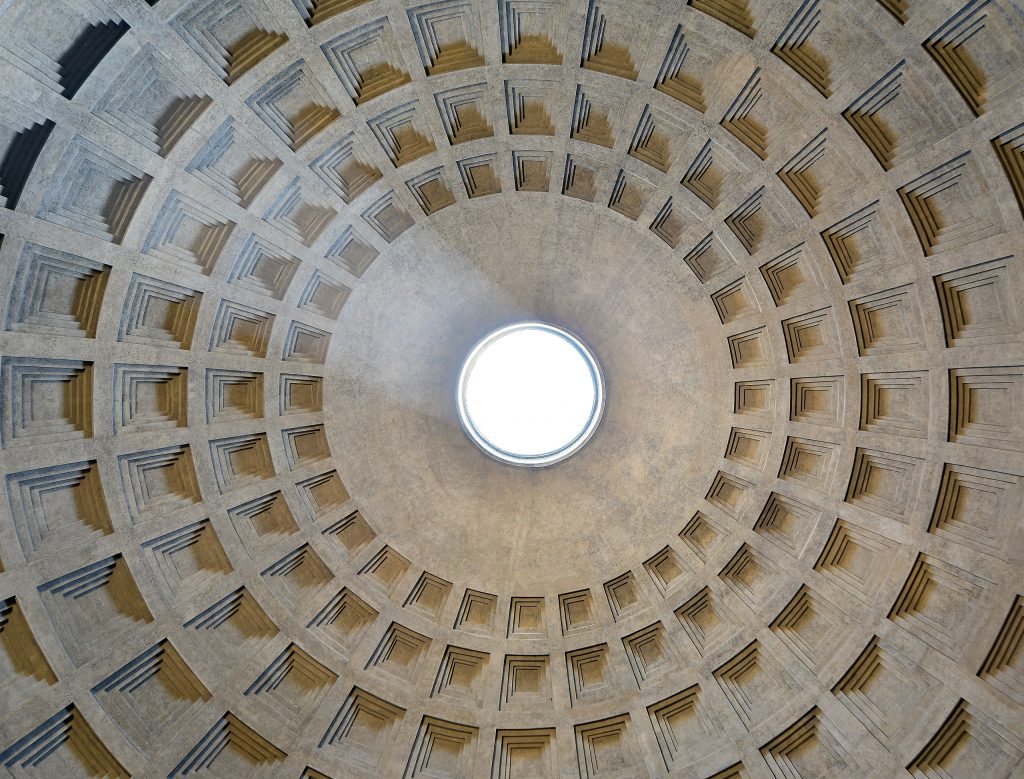
Pantheon: “The Pantheon…simple, erect, severe, austere, sublime.” – Thomas Jefferson’s words perfectly encapsulate the Pantheon’s timeless elegance and architectural brilliance.
Hagia Sophia: “The Emperor Justinian built a church so marvelous that human language is insufficient to describe it.” – Byzantine historian Procopius captures the awe and wonder inspired by the Hagia Sophia’s grandeur and innovative design.
AI: Alcibiades, Guy Fawkes, and Benedict Arnold Compared: Traitor 🔁💔
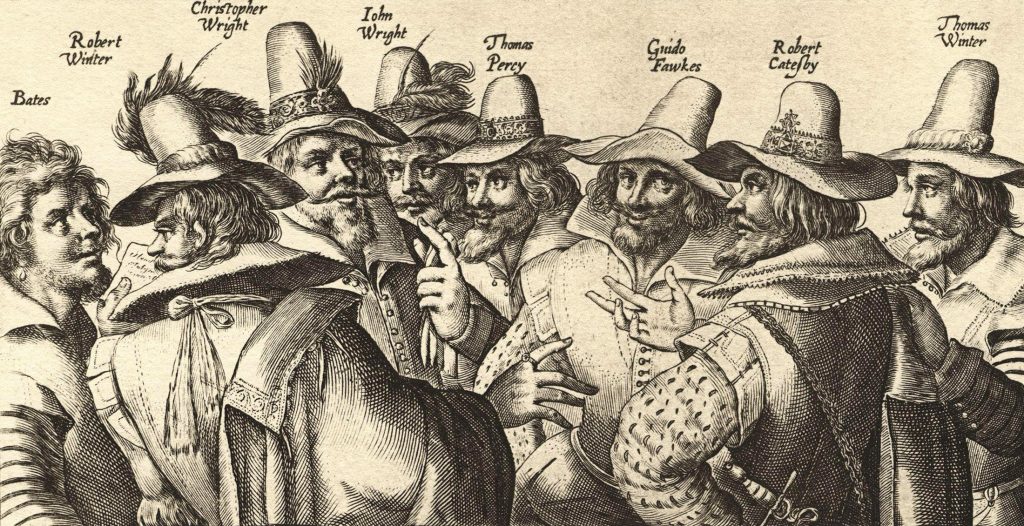
Alcibiades, the audacious Athenian general, is remembered for his strategic brilliance and capricious loyalty. He shifted allegiances between Athens, Sparta, and Persia, highlighting the complexities of personal ambition and political survival in wartime Greece.
Guy Fawkes, infamous for his role in the Gunpowder Plot, epitomized religious zeal and radical resistance. His attempted act of treason against the English government still resonates in modern culture as a symbol of anti-establishment sentiment and defiance.
Benedict Arnold, once a celebrated general in the Continental Army, became synonymous with treachery after he defected to the British, driven by disillusionment and financial gain. His name is forever etched in American history as a cautionary tale of betrayal.
AI: 🕯️👁️ Francis Walsingham, ⚛️🧪 Klaus Fuchs, and 🛰️📷 Oleg Penkovsky: High-stakes Spies
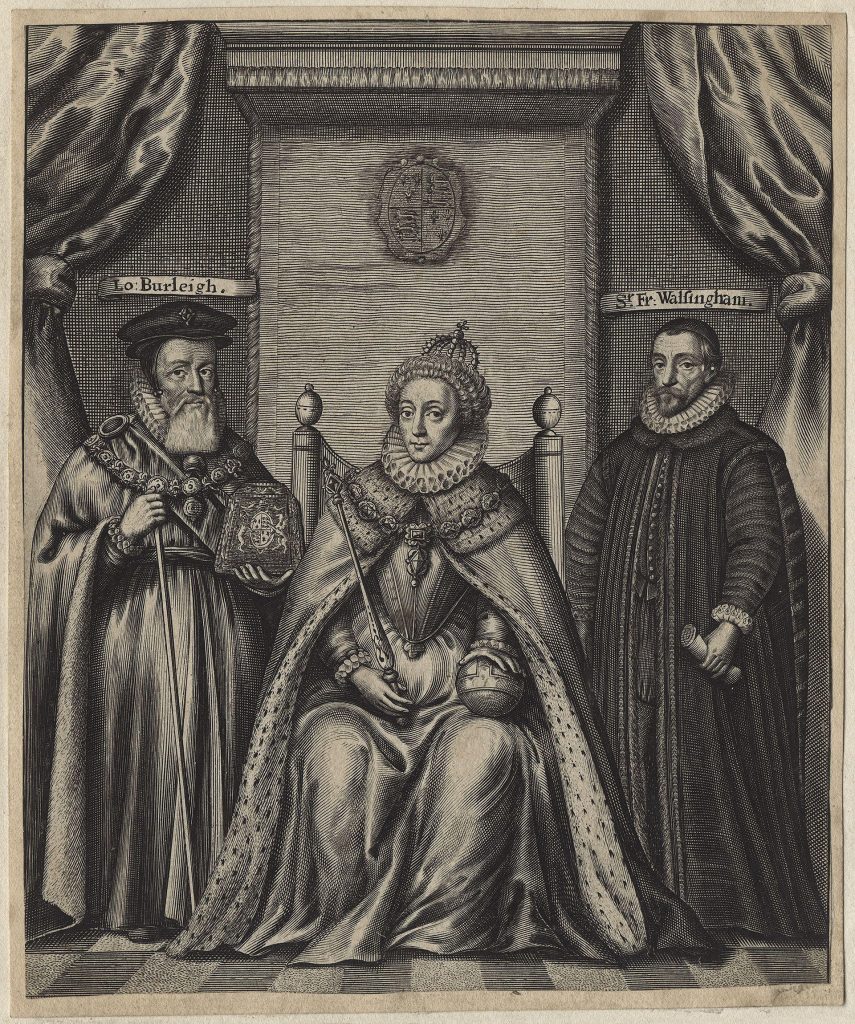
Sir Francis Walsingham (England, 16th century): “Knowledge is power.” Walsingham, Queen Elizabeth I’s spymaster, understood the crucial role of intelligence in protecting the realm and maintaining political advantage.
Klaus Fuchs (Germany/ Soviet Union): “My motive was to help potential allies of Britain who had borne the brunt of fighting.” Fuchs, a nuclear physicist, justified his betrayal of Western secrets by claiming it leveled the playing field against potential enemies during the Cold War.
Oleg Penkovsky (Soviet Union): “I realized that a nuclear war would be a universal suicide, and I wanted to do whatever I could to prevent it.” Penkovsky, a high-ranking Soviet military officer, defected to the West and provided invaluable intelligence about Soviet capabilities, driven by a desire to prevent nuclear conflict.