AI: Borobudur (The Cosmic Mountain) 🌋 , Bagan (The Sea of Temples) 🌅 , and Angkor Wat (The City of the Gods) 🛕 Compared : Titans of Medieval Southeast Asian Architecture 🏛️
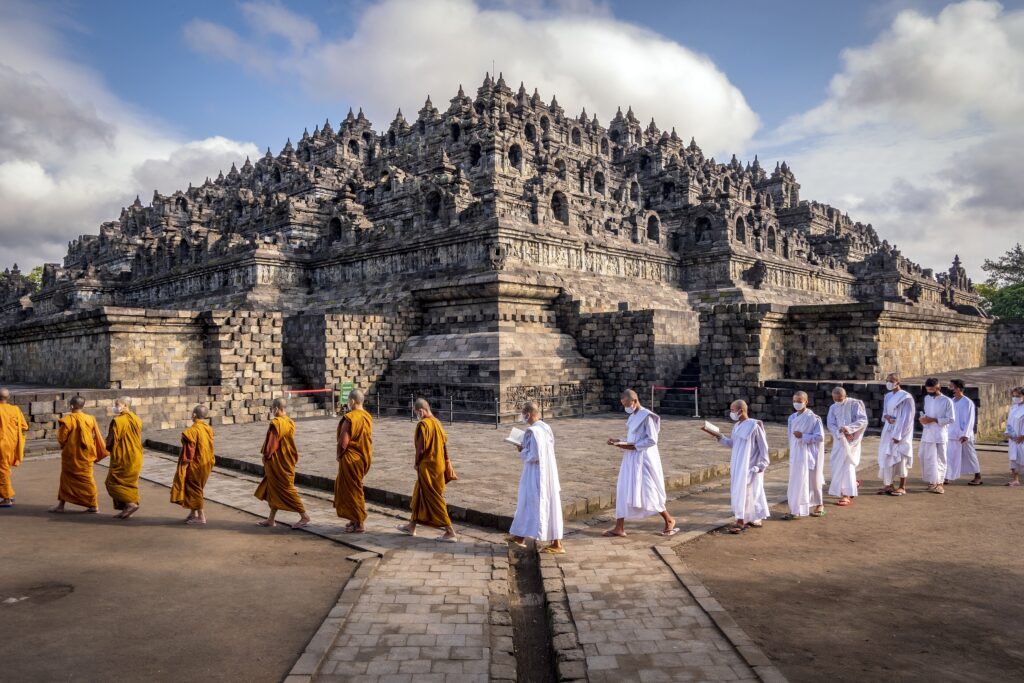
“Out of the mud, the lotus grows unsoiled. So too, out of the world of desires, the awakened mind rises pure and unbound.” — Thematic essence of the Mahayana texts etched into Borobudur’s galleries 📜
“And I tell you that in this city [Mien/Bagan] there is the most noble thing… The King caused two towers to be built, one of gold and one of silver… they form one of the finest sights in the world, exquisitely finished, splendid, and costly. When illuminated by the sun, they shine most brilliantly and are visible from a vast distance.” — Marco Polo, The Travels of Marco Polo (c. 1300) 🐎
“At the center of the Kingdom rises a Golden Tower… Even the monuments are covered in gold. When one arrives at the distant gates, one sees the statues of the gods… This is what causes merchants from overseas to speak of ‘Cambodia the rich and noble.'” — The Chinese Diplomat’s Eyewitness Account (1296 AD) 📜
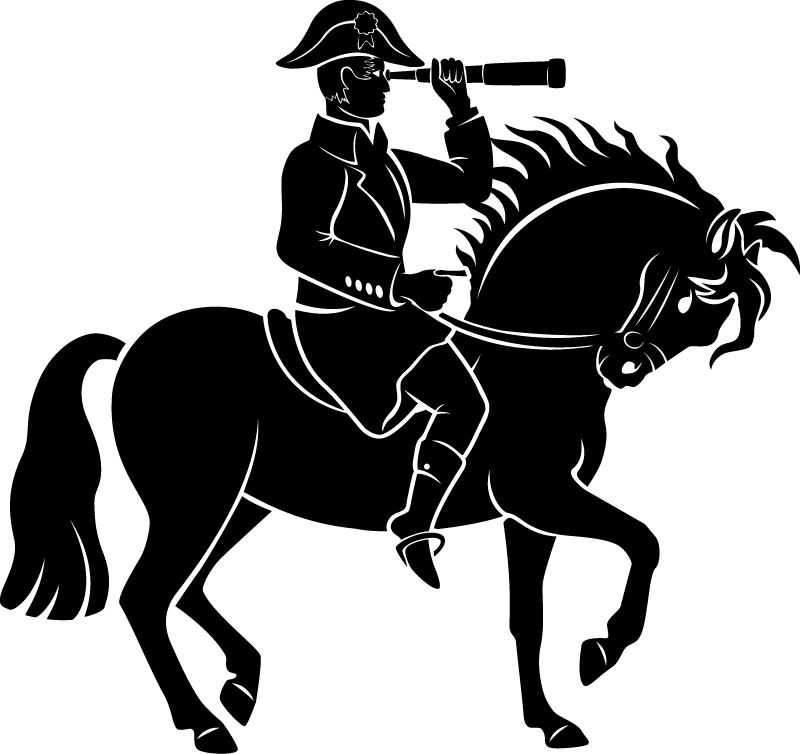
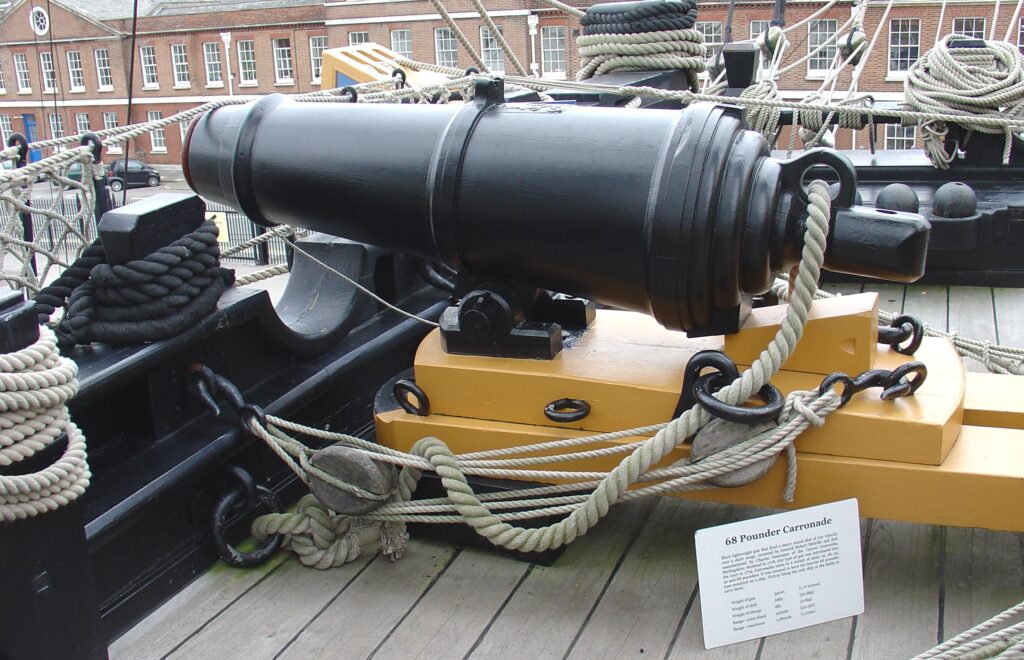
AI: To defeat Admiral Nelson’s daring head-on charge at Trafalgar, the French and Spanish would have needed significant technical advantages in engineering, cannon, shipbuilding, sail, ordnance, and doctrine technology. 🚢💥⚔️
Google Gemini:
Without undisputed control of the sea, Britain’s historic role as the unassailable bank and armory of the anti-French coalitions evaporates. The Napoleonic Wars would no longer be a story of eventual, total Allied victory, but would instead grind to a halt in a multipolar geopolitical stalemate.
ChatGPT:
Even if Trafalgar had ended in a stalemate or French-Spanish victory, Napoleon’s greatest weaknesses would have remained his continental overextension, the Spanish resistance, Britain’s financial resources, and Russia’s enormous strategic depth. I would predict that the Napoleonic Wars could have lasted another two to four years, potentially ending around 1817–1819 rather than 1815. The biggest change might not have been Napoleon’s ultimate defeat, but the greater difficulty Britain would have faced financing, supplying, and coordinating the coalition against him.
AI: John F. Kennedy 🇺🇸🦅, Nikita Khrushchev 🇷🇺☭, and Fidel Castro 🇨🇺⭐: The Cuban Missile Crisis ☢️🚀🌎 — October 20-28 1962 (Part II)
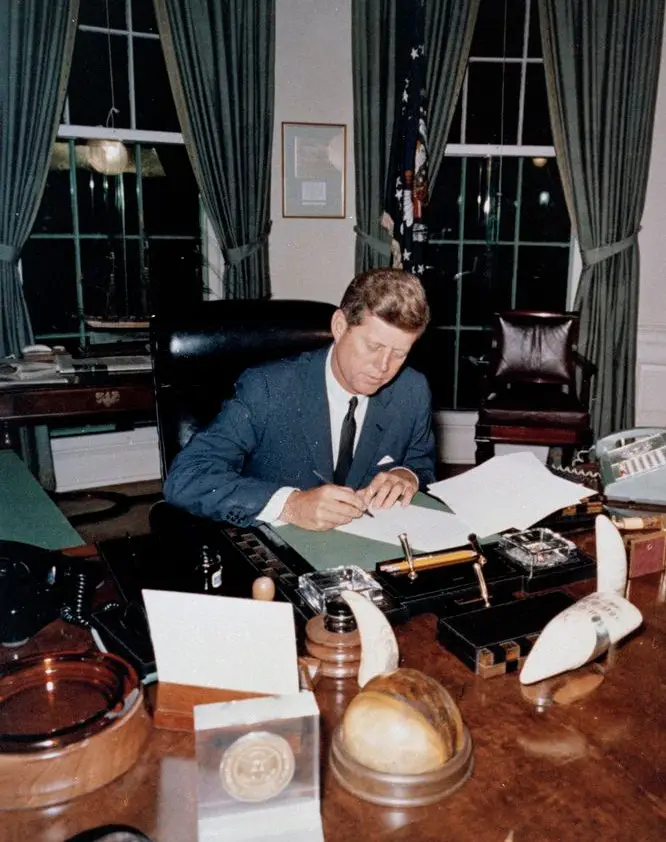
“It shall be the policy of this Nation to regard any nuclear missile launched from Cuba against any nation in the Western Hemisphere as an attack by the Soviet Union on the United States, requiring a full retaliatory response upon the Soviet Union.” — John F. Kennedy 🇺🇸🦅 (October 22)
“[The United States is] pushing mankind toward the abyss of a world nuclear-missile war.” — Nikita Khrushchev 🇷🇺☭ (October 24)
“Do you, Ambassador Zorin, deny that the USSR has placed and is placing medium- and intermediate-range missiles and sites in Cuba? Yes or no? Don’t wait for the translation! Yes or no?” — Adlai Stevenson 🇺🇸🌐 (October 25)
“[What if] the Soviet Union would agree to dismantle and remove the missiles under UN inspection… and the United States would pledge publicly not to invade Cuba?” — Aleksandr Feklissov 🕵️♂️🇷🇺📡(October 26)
We’re eyeball to eyeball, and I think the other fellow just blinked.” — Dean Rusk 🇺🇸📜(October 28)
AI: John F. Kennedy 🇺🇸🦅, Nikita Khrushchev 🇷🇺☭, and Fidel Castro 🇨🇺⭐: The Cuban Missile Crisis ☢️🚀🌎 — October 14-19, 1962 (Part I)
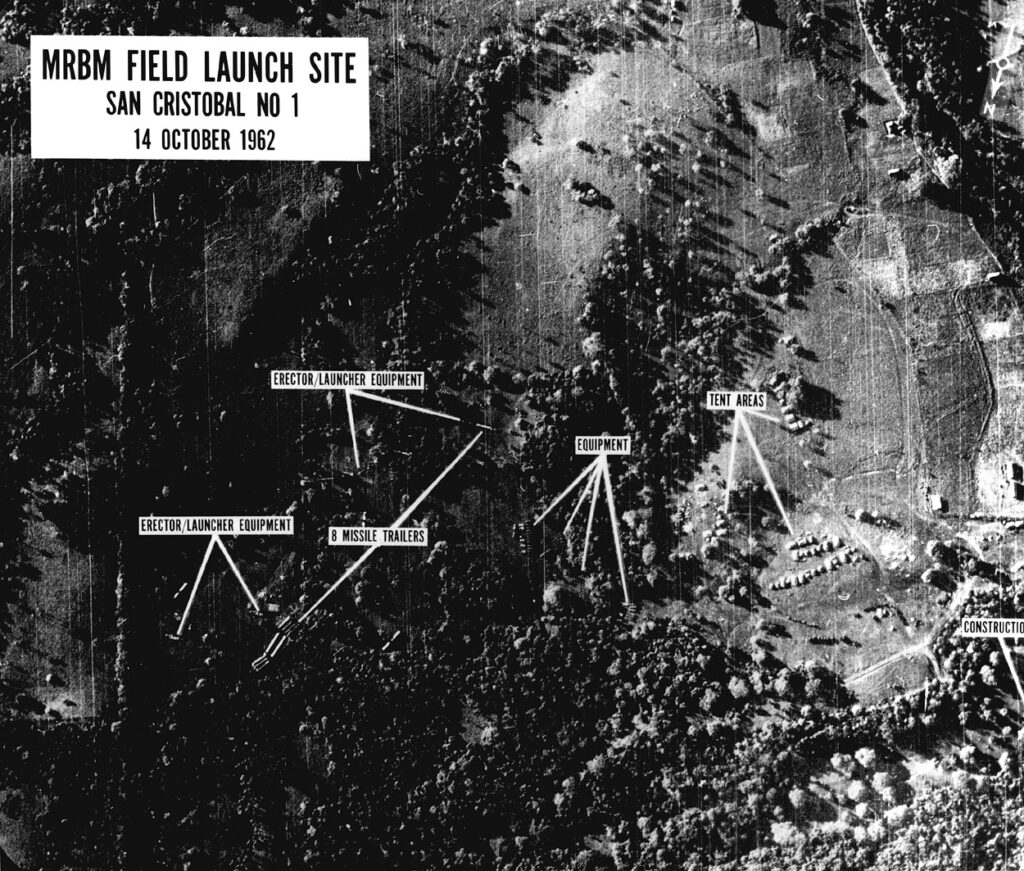
“There’s an old saying that victory has a hundred fathers and defeat is an orphan.” — John F. Kennedy 🇺🇸🦅
“I knew I was going to be looking at something very important, but I had no idea it would be something that would bring us to the brink of World War III.” — Major Richard S. Heyser, U-2 Reconnaissance Pilot 🇺🇸✈️
“Oh shit! Shit! Shit! Those sons of bitches Russians.” — Robert F. Kennedy 🇺🇸⚖️
“I have been instructed to make it clear… that Soviet assistance to Cuba pursues solely the purpose of contributing to the defense capabilities of Cuba solely.” — Andrei Gromyko 🇷🇺🤝
“This blockade and political action, I see leading into war… This is almost as bad as the appeasement at Munich.” — General Curtis LeMay 🇺🇸✈️
AI: Gaius Octavian (Augustus) 🦅👑, Marcus Agrippa ⚓🛡️, Mark Antony 🍷🔥, and Cleopatra VII 👑🐍 Compared: Civil War 41 BC to 30 BC (Part IV)
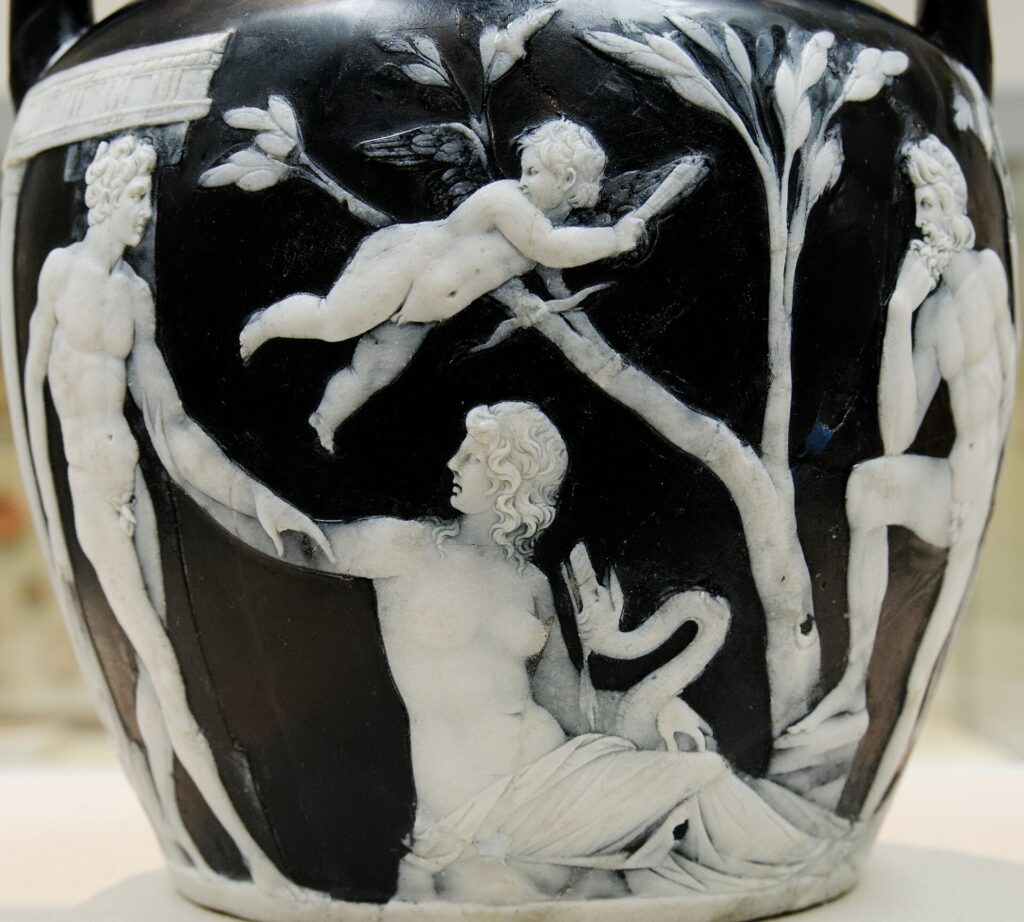
“He accused Antony of keeping Cleopatra as his wife, of acknowledging Caesarion as Caesar’s son, and of distributing the provinces of the Roman people among his own children.” — Gaius Octavian (Augustus) 🦅👑
“He chose to take the toil and the danger upon himself, and to bestow the honor of the success upon Octavian.” — Marcus Agrippa ⚓🛡️
“Do not pity me in this last turn of fate… but congratulate me for my past happiness. I lived the greatest and most powerful of men, and have died nobly, a Roman by a Roman defeated.” — Mark Antony 🍷🔥
“I will not be led in a triumph.” (Non triumphabor) — Cleopatra VII 👑🐍
AI: Gaius Octavian 🦅👑, Marcus Agrippa ⚓🛡️, Mark Antony 🍷🔥, Marcus Tullius Cicero 📜🗣️, Marcus Junius Brutus 🦉🗡️, and Cleopatra VII 👑🐍 Compared: Civil War Summer 44 BC to Fall 42 BC (Part III)
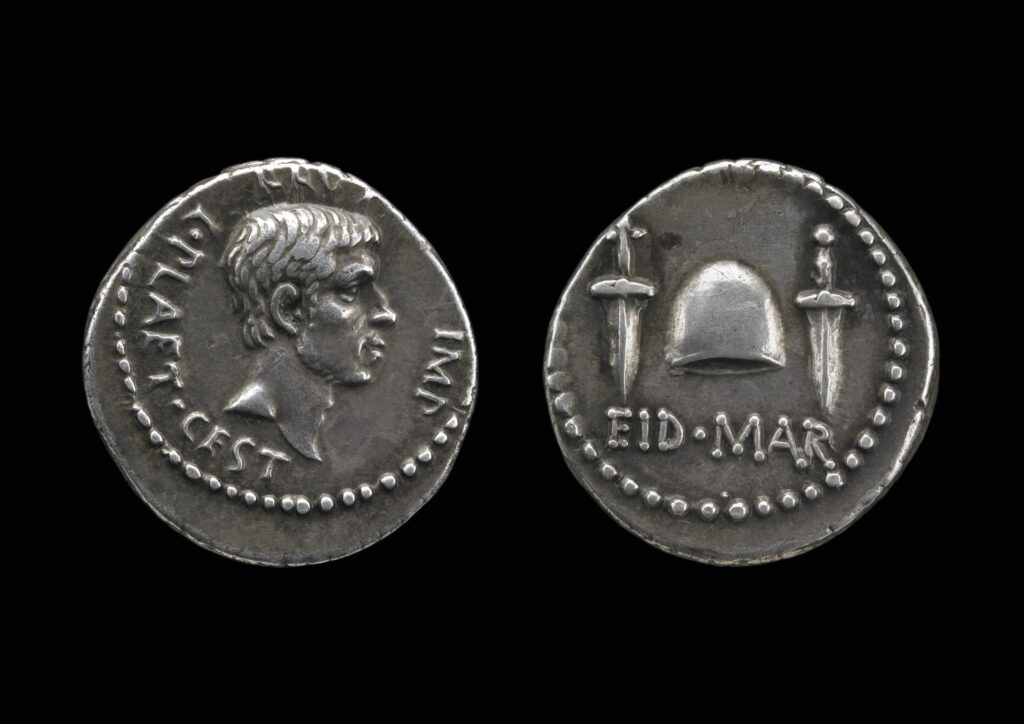
“In my own heart I rejoiced at this omen, interpreting it as meaning that the star was born for me and that I was born in it.” — Gaius Octavian (Recorded in his lost memoirs (preserved by Pliny the Elder). Octavian is describing the bright comet that appeared in July during the games he hosted, brilliantly weaponizing it as a sign of Julius Caesar’s deification and his own divine destiny.)
“He alone acted for what he believed was the good of the Republic; the rest acted out of jealousy and hatred of Caesar.” — Mark Antony (The sentiment Antony famously expressed upon finding Brutus’s body on the battlefield (recorded by Plutarch). Taking off his own expensive purple commander’s cloak, Antony respectfully covered the fallen assassin, cementing his own reputation as a magnanimous and honorable victor.)
“I promise, I undertake, I pledge myself, Conscript Fathers, that Gaius Caesar[Octavian] will always be such a citizen as he is today…” — Marcus Tullius Cicero (Delivered on January 1, 43 BC, in his Fifth Philippic. In a tragic and fatal miscalculation, Cicero publicly stakes his own life and reputation on the belief that the nineteen-year-old Octavian will remain a loyal servant of the Senate after Antony is defeated.)
“O wretched virtue, you were but a name, and yet I worshipped you as real indeed; but now, it seems, you were only a fortune’s slave.” — Marcus Junius Brutus (Attributed by Cassius Dio and Plutarch (quoting a Greek tragedy) as Brutus’s despairing final words before falling on his sword.)
AI: Julius Caesar 🦅⚔️, Mark Antony 🍷🔥, Cato the Younger 🛡️😤, Marcus Tullius Cicero 📜🗣️, Marcus Junius Brutus 🦉🗡️, and Cleopatra VII 👑🐍 Compared: Civil War Summer 47 BC to Spring 44 BC (Part II)
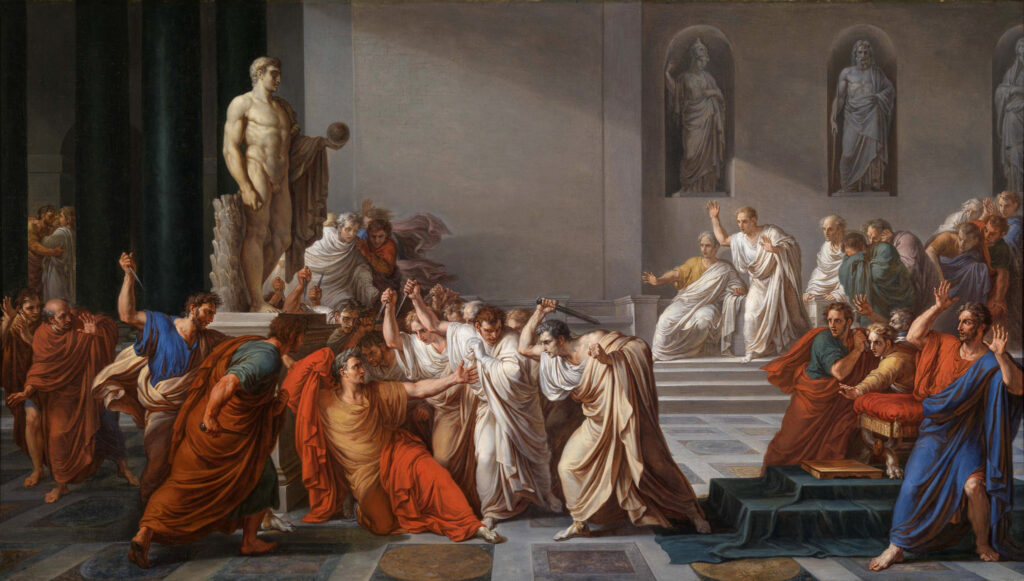
“Veni, vidi, vici.” (I came, I saw, I conquered). — Julius Caesar
“While the Dictator sails the Nile, I am left to govern a city of rabble and rioters. If they will not respect the law, they will respect the sword.” — Mark Antony
“I will not violate the laws for the preservation of which I am waging war against him who violates them.” — Cato the Younger
“How I could wish that you had invited me to that most glorious banquet on the Ides of March! We should have had no leftovers.” — Marcus Tullius Cicero
“Our ancestors thought that we ought not to endure a tyrant, even if he were our own father.” — Marcus Junius Brutus
“He placed a beautiful image of Cleopatra by the side of the goddess, which stands there to this day.” — Appian
AI: Julius Caesar 🦅⚔️, Pompey the Great ⚓🛡️, Mark Antony 🍷🔥, Cato the Younger 🛡️😤, Marcus Tullius Cicero 📜🗣️, Marcus Junius Brutus 🦉🗡️, and Cleopatra VII 👑🐍 Compared: Civil War Fall 50 BC to Spring 47 BC (Part I)
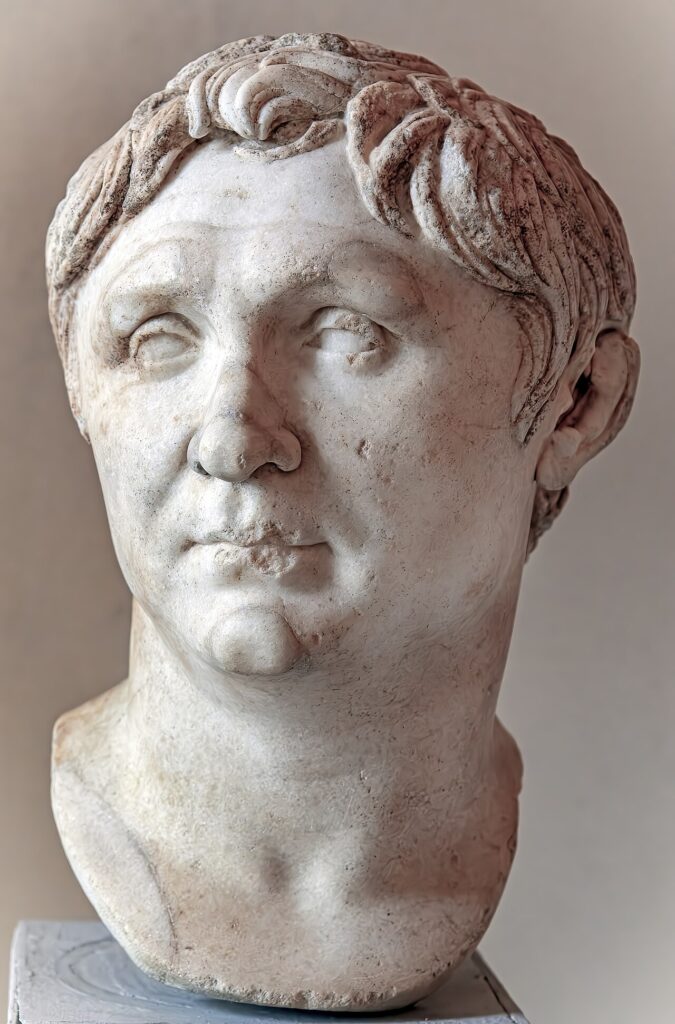
“Let the die be cast” — Julius Caesar
“Has it come to this? Even to my very tent?” — Pompey the Great (Pharsalus)
“We will not allow the rights of the tribunes to be trampled! If you wish to declare Caesar an enemy, you must first declare us enemies of the state!” — Mark Antony
“There is no need for negotiation. Let Caesar lay down his arms, return to Rome as a private citizen, and submit himself to the judgment of the laws—or let him be declared a public enemy.” — Cato the Younger
“The political situation gives me the greatest anxiety… What are we to do? Yield to Caesar? Where is our constitution then? … I know whom I must flee, but I do not know whom to follow.” — Marcus Tullius Cicero
“The Republic is not saved by weeping in port or bleeding in the desert, but by ensuring the laws are administered, even under the shadow of a Dictator.” — Marcus Junius Brutus
“My sister commands the mob outside, but I command the man who commands the world. Rome and Egypt will soon be bound in blood.” — Cleopatra VII
AI: Allies 🇺🇸🇬🇧; Dwight D. Eisenhower ⭐, Bernard Montgomery 🎖️, Omar Bradley 🪖, and Bertram Ramsay ⚓ • Axis 🇩🇪; Adolf Hitler 🦅, Gerd von Rundstedt 🎖️, Erwin Rommel 🦊, and Hans Speidel 📜: D-Day Morning Quotes 🌍
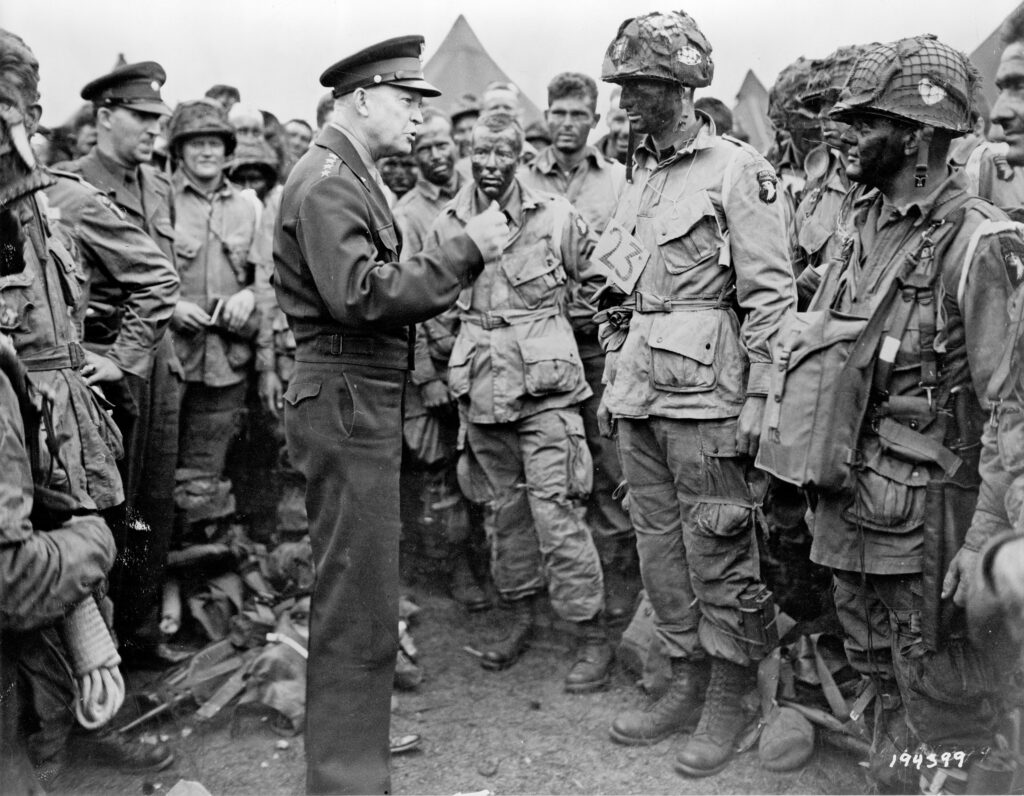
Allies:
“The airborne troops have the toughest job of the night. If they fail, the beaches will be a slaughterhouse.” — Dwight D. Eisenhower (His overwhelming concern for the paratroopers holding the flanks as the 3:00 AM hour ticked by).
“We must expect heavy casualties on the beaches; Rommel is an energetic commander, and his troops will fight tenaciously from their concrete.” — Bernard Montgomery (His pragmatic, cold assessment of the slaughter he knew was occurring at that exact moment).
“The carefully planned assault waves are disintegrating. The Higgins boats are tangled, the officers are dead, and the survivors are pinned behind the seawall.” — Omar Bradley (His grim assessment of the tactical chaos consuming Omaha Beach by 7:00 AM).
“The infantry is pinned down. The destroyers must now move in dangerously close to the shore to provide direct, point-blank fire support against the concrete pillboxes.” — Bertram Ramsay (The desperate tactical shift Ramsay and his captains initiated as they realized the infantry at Omaha were being massacred).
Axis:
“The news couldn’t be better. As long as they were in Britain we couldn’t get at them. Now we have them where we can destroy them.” — Adolf Hitler (Hitler’s genuine, historically documented reaction upon being briefed on the Normandy landings this morning).
“It is an outrage! I ordered the 12th SS and Panzer Lehr to the coast, and OKW [Hitler] has countermanded my orders.” — Gerd von Rundstedt (Rundstedt’s absolute fury upon realizing Berchtesgaden had stripped him of tactical control).
“How stupid of me. How stupid of me!” — Erwin Rommel (Rommel’s famous, heartbroken reaction upon hanging up the telephone with Speidel, realizing he was absent for the most important battle of the war).
“Herr Feldmarschall, the enemy has commenced a massive naval bombardment, and amphibious forces are approaching the beaches of Normandy.” — Hans Speidel (The essence of Speidel’s grim morning report that finally awoke Rommel to the disaster).
AI: 🇫🇷 Louis XVI 👑, Marie-Antoinette 👸, Georges Danton 🗣️, Jean-Paul Marat 📰, and Maximilien Robespierre ⚔️ Compared: French Revolution 🗽📜⚖️🏛️🌎 December 1791 to August 1794 (Part II)
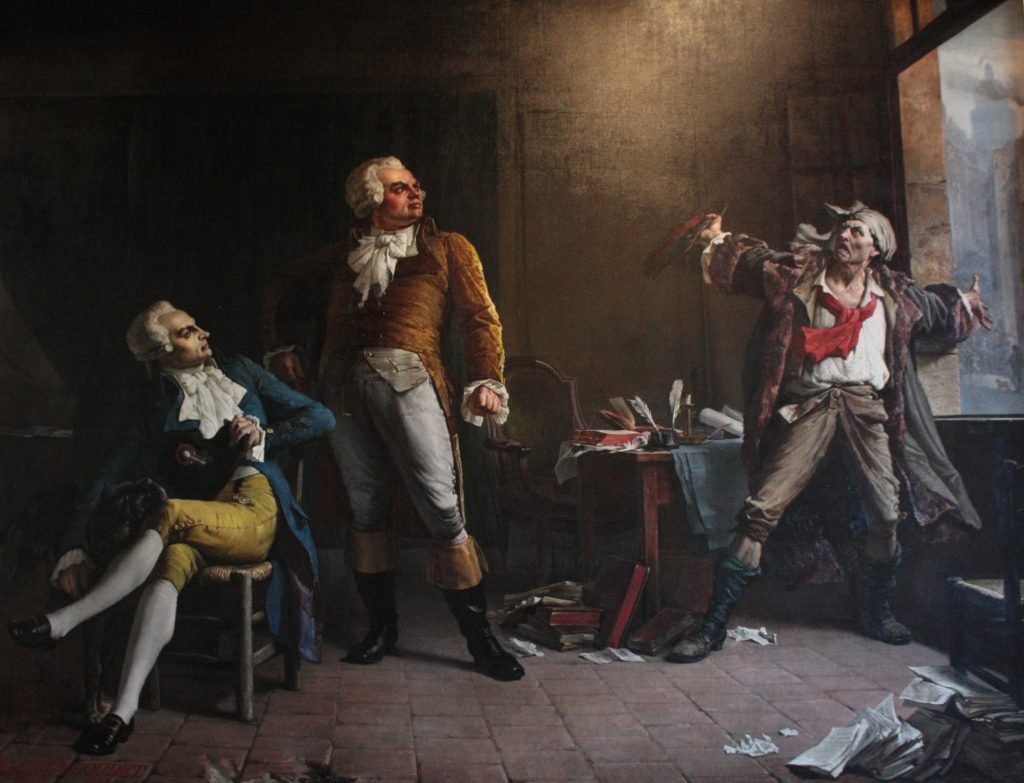
“I die innocent of all the crimes imputed to me. I pardon the authors of my death, and pray to God that the blood you are about to shed will never fall upon France.” — Louis XVI
“If I have made no reply, it is because nature refuses to answer such a charge brought against a mother. I appeal to all mothers present in this room.” — Marie-Antoinette
“I leave it all in a frightful welter; not a man of them has an idea of government. Robespierre will follow me; he is dragged down by me.” — Georges Danton
“They shall all be guillotined.” — Jean-Paul Marat (Allegedly spoken to Charlotte Corday on July 13, 1793, right before she stabbed him to death in his bathtub.)
“For the last time, will you let me speak, president of assassins?” — Maximilien Robespierre