
AI: 🌊 Tyre (332 BC), 🔧 Syracuse (213–212 BC), 🌀 Alesia (52 BC), ⛰️ Masada (73 AD), and ⚔️ Acre (1189–1191) Compared: Ancient Sieges (Part I)
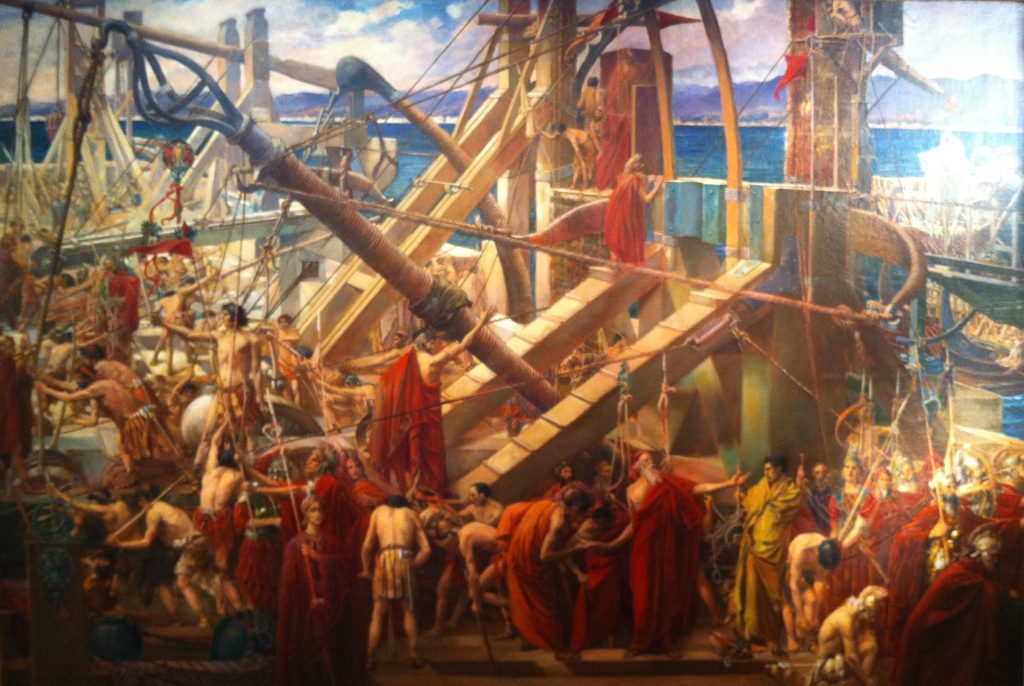
“Alexander himself was the first to take up a basket and carry earth; and when the Macedonians saw their king working with his own hands, they followed his example with enthusiasm [the Mole].” — Arrian
“The Romans were so terrified that if they only saw a piece of rope or a small baulk of wood protruding over the wall, they would cry out that Archimedes was turning some engine upon them, and they would turn and flee.” — Plutarch
“Since such a large body of men could not easily be maintained by a thin line of soldiers… Caesar thought that he should add further types of defenses, so that the fortifications might be defensible by a smaller number.” — Julius Caesar, De Bello Gallico
“He also built a bank [the ramp] of earth… for the bank was three hundred cubits high, and on it was a structure of stone, sixty cubits high and sixty cubits wide.” — Josephus
“Whenever they [the Saracens] threw the Greek fire, every man among us threw himself on his face on the earth and cried: ‘Lord, save us from this fire which cannot be quenched!'” — attributed to the French Crusaders (recorded in later chronicles)
AI: John Audubon, Florence Bailey, Roger Peterson, and Phoebe Snetsinger Compared: Birdwatchers 🐦🦃🦅🦜🦉🦚🦤🦩🐧🪺

“When the bird and the book disagree, believe the bird.” – John James Audubon
“The student who goes out with a gun[Audubon]… sees only the terror of the hunted… but the student who goes out with the opera-glass… learns the secrets of the home life.” – Florence Merriam Bailey
“Birds have wings; they’re free; they can fly where they want when they want. They have the kind of mobility many people envy.” – Roger Tory Peterson
“If it’s my last trip, so be it—but I’m going to make it a good one and go down binoculars in hand!” – Phoebe Snetsinger (She was tragically prophetic; she died in a vehicle accident in Madagascar while on a birding tour, less than two hours after seeing her final life bird, the Red-shouldered Vanga.)
AI: Mary Anning, Richard Owen, Othniel Charles Marsh, and Edward Drinker Cope Compared: Early Dinosaur Bones 🦕🦖🦎🦴
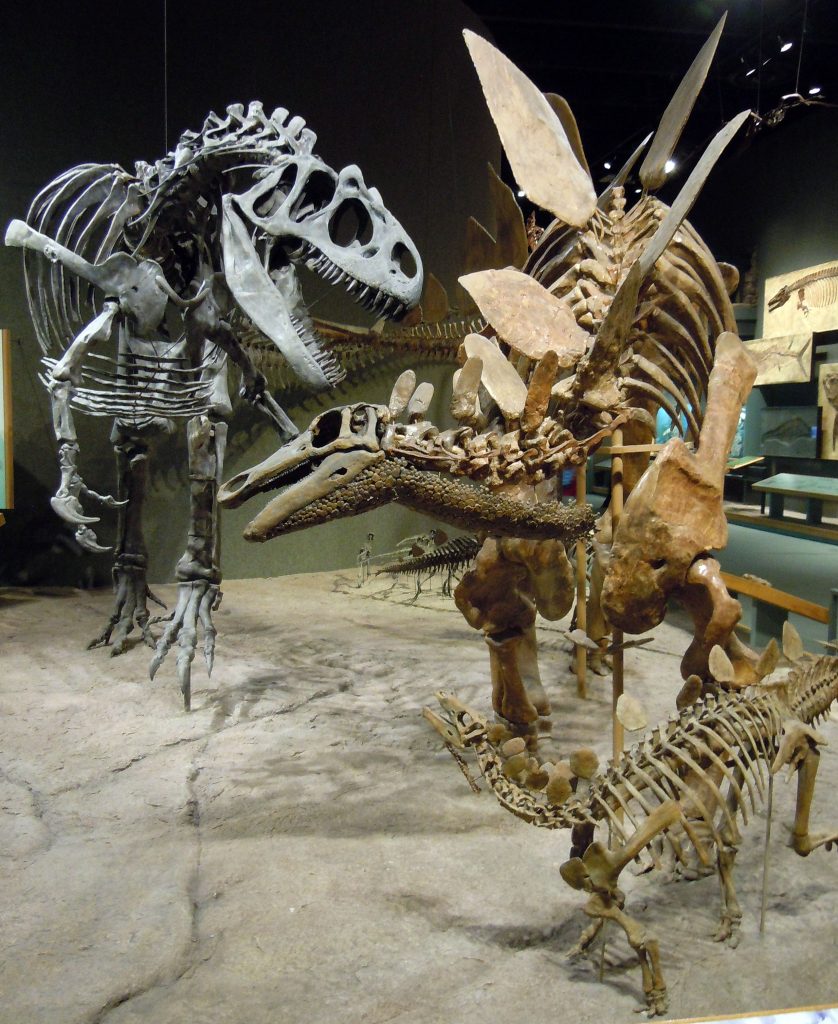
“I beg your pardon, there are no such things as fancy stones. They are all organized substances—petrified bones of animals that existed before the Flood.” — Mary Anning, her correction to a customer.
“The greatest anatomist of his age… He loved Nature and Art, and he built this [London Natural History] Museum to be their home.” — Richard Owen
“Bone Wars”, Othniel Charles Cope versus Edward Drinker Marsh:
“He [Cope] has repeatedly published as his own discoveries the work of others, and has shown himself capable of the most flagrant violations of scientific etiquette and truth.”
“Marsh is simply a scientific political wire-puller… He is not a naturalist in any proper sense of the word. He has published very little work that is his own.”
AI: The World Fairs 🏛️ London 1851,🗼 Paris 1889, 🎡 Chicago 1893, 🚀 New York 1939-40, and 🌍 Montreal 1967 Compared
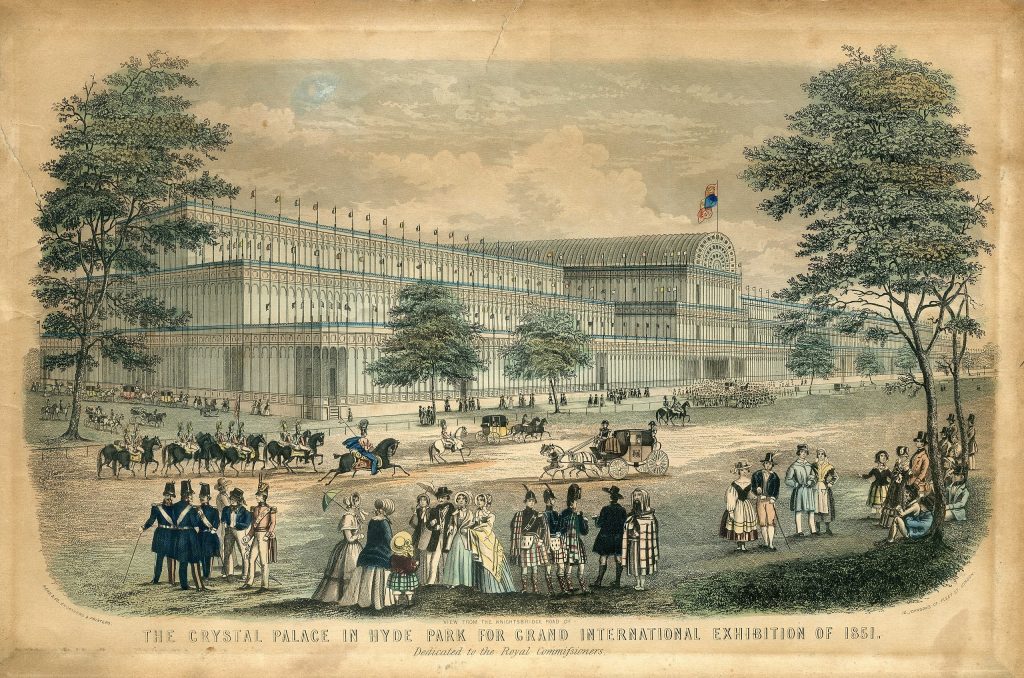
“We are living in a period of the most wonderful transition… The distances which separated the different nations and parts of the globe are rapidly vanishing…” – Prince Albert, the chief organizer
“The Tower will be the tallest edifice ever raised by man. Will it not, therefore, be grandiose in its own way?” – Gustave Eiffel, the engineer
“For the visitor, the Chicago World’s Fair of 1893 was a short course in the history of civilization and a glance at the Utopian future, all for 50 cents. Visitors… were introduced to the Ferris wheel, the zipper, Cracker Jack, shredded wheat, juicy fruit gum, and… electric lights.” – Reid Badger, historian
“Today the eyes of all our citizens are on this temple of peace… where the vanguards of a friendly civilization moved forward to the high-road of the future.” – President FDR
“Vive Montréal! Vive le Québec! … Vive le Québec libre!” – Charles de Gaulle
AI: Iliad, Odyssey, and Aeneid Compared: Trojan War (Part III, The Aeneid: “The Founding of Rome”🏛️🛡️👑 💖 🌩️)

“I fear the Greeks, even bearing gifts.” – Laocoön (The Trojan Priest)
“Arise from my bones, you unknown avenger, to hunt the Trojan settlers with fire and sword… Let there be no love between our peoples and no treaties.” – Queen Dido of Carthage
“Roman, remember by your strength to rule Earth’s peoples—for your arts are to be these: to pacify, to impose the rule of law, to spare the conquered and war down the proud.” – Anchises (Aeneas’s father in the Underworld)
“boil with the passion for war” – Allecto (A Fury/goddess of discord)
AI: Iliad, Odyssey, and Aeneid Compared: Trojan War (Part II, The Odyssey: “The Long Journey Home” 🌀 👁️ 🐗 🌊 🕊️)
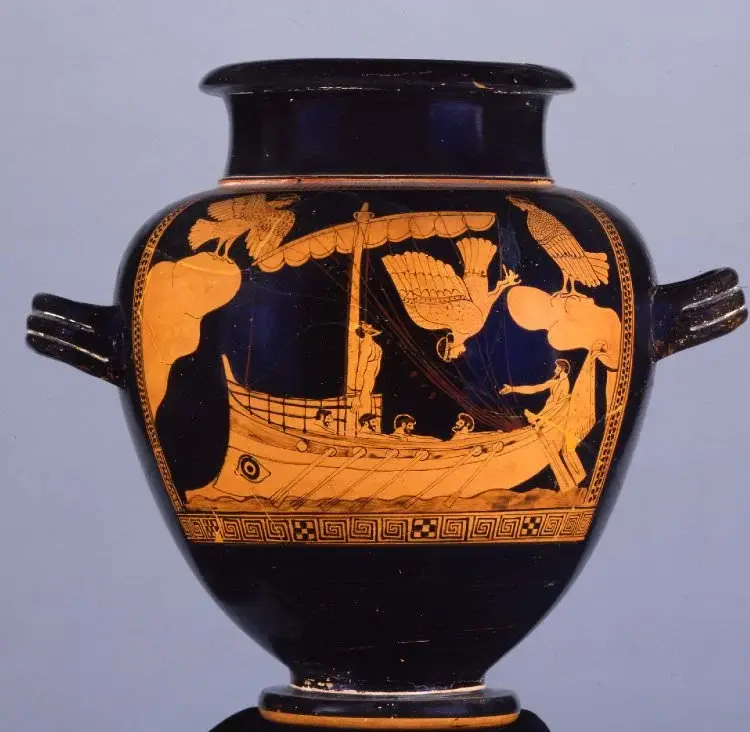
“Sing to me of the man, Muse, the man of twists and turns driven time and again off course, once he had plundered the hallowed heights of Troy.” – Narrator
“My name is Nobody; my father and mother call me Nobody.” – Odysseus’s famous, clever lie to the Cyclops Polyphemus, which he uses to escape the cave.
“By day I’d weave at my great and growing web— by night, by the light of torches set beside me, I would unweave it. Three whole years I deceived them, seduced them with this scheme.” – Penelope
AI: Iliad, Odyssey, and Aeneid Compared: Trojan War (Part I, The Iliad: “The Rage of Achilles” 🔥 ⚔️ ⚡ 👴 👑)
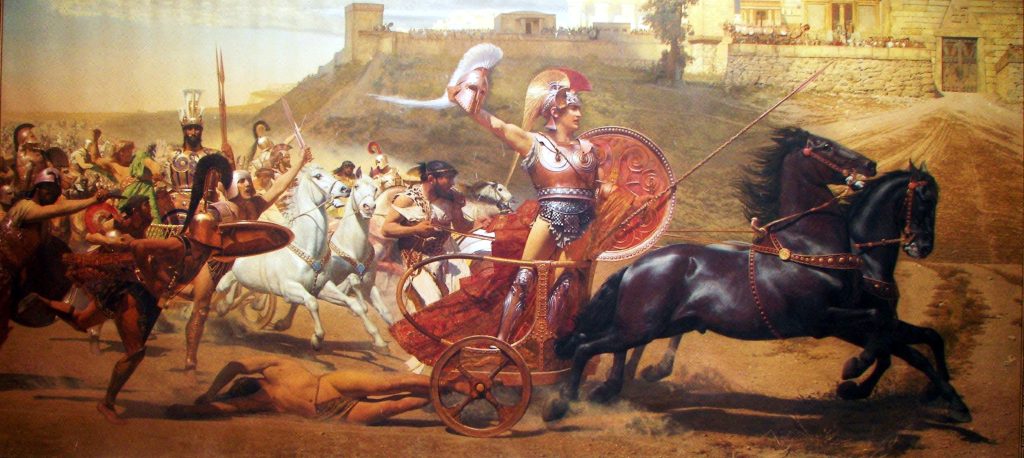
“Sing, O goddess, the anger of Achilles, son of Peleus.” – Narrator
“Let me not die ingloriously and without a struggle.” – Hector
“The gods envy us because we are mortal.” – Achilles
“There is nothing alive more agonized than man.” – Zeus
AI: 🎩 Abraham Lincoln, Theodore Judah, Leland Stanford, and Grenville Dodge Compared: Transcontinental Railroad 🚂
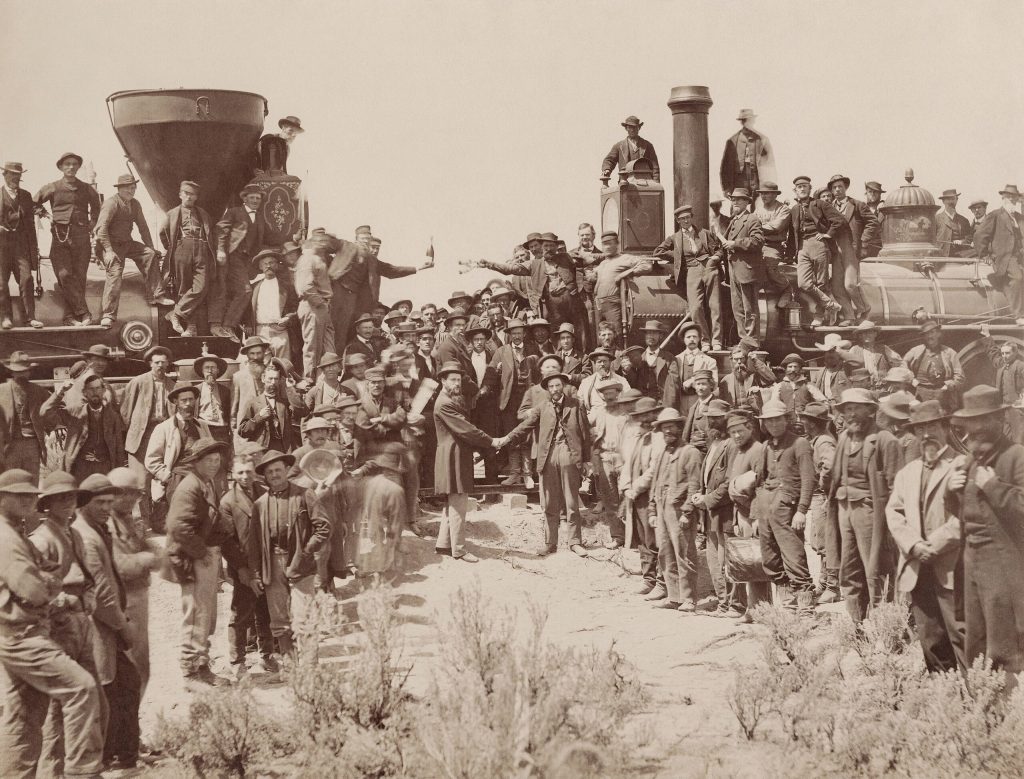
“At the height of that war, with unity so much on his mind, President Lincoln sought a way to connect and secure the great expanse of our nation, to unite it entirely, from sea to shining sea.” — Summary of Lincoln’s mindset when signing the Pacific Railway Act in 1862.
“Everything he did from the time he left for California until his death was for the great Continental Pacific Railroad. It consumed his time, money, brain, strength, body, and soul. It was the burden of his thoughts day and night.” — Anna Judah, reflecting on her husband’s singular focus
“The last rail is laid! The last spike is driven. The Pacific Railroad is completed.” — Telegram sent by Leland Stanford, T. P. Durant, and others, May 10, 1869.
“He completely ‘shelled my woods,’ getting all the secrets that were later to go to my [railroad] employers.” — Grenville Dodge, recalling how Lincoln extracted every piece of knowledge he had on the western routes during their meeting in Council Bluffs, Iowa.
AI: The EU’s Birth Rates 1.46 Live Births per Woman In 2023; Replacement Level of 2.1: Native-born Population in the EU is Shrinking and Aging ⏳
“A change-over from an increasing to a declining population… is what is happening. Certainly, a declining population implies a shrinking labor force and possibly a shrinking GDP.” — Massimo Livi Bacci, Italian demographer.
“The era of rapid population growth is coming to an end. … Declining fertility and increased life expectancies have resulted in a rapidly aging population.” — Amy Smaldone and Mark L.J. Wright, Federal Reserve economists.
“The EU’s population is ageing. Over the last fifty years, life expectancy at birth has increased by 10 years for both men and women. …These changes significantly affect our economy, our social and employment policies, public finances, and territorial cohesion.” — Dubravka Šuica, Vice-President of the European Commission
AI: John D. Rockefeller, Andrew Carnegie, and Cornelius Vanderbilt Compared: Family Mansions (Part II) 🏰
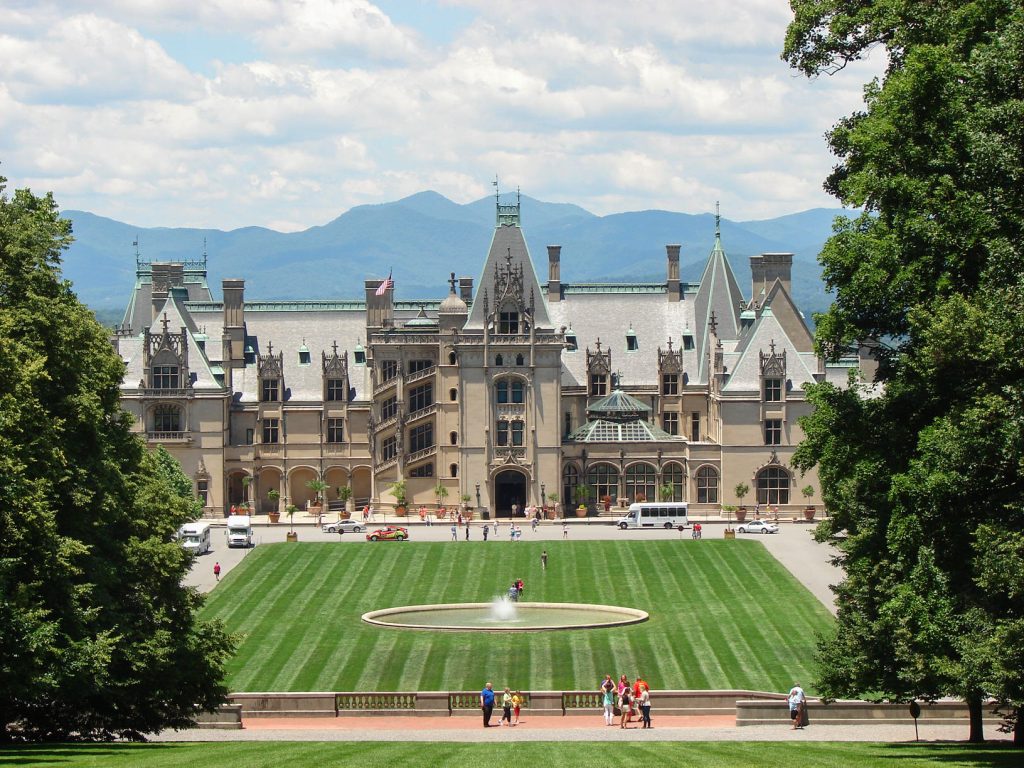
“My father’s dream was to create something so beautiful and so perfect that it would be a joy to all who saw it, a place where his family could live and grow and be inspired by the beauty around them.” — Nelson Rockefeller
“Heaven is a home like Skibo.” — Andrew Carnegie
“When I built Marble House, I was in a position to do what I wanted, and I did it.” — Alva Vanderbilt