
AI: Alcibiades, Guy Fawkes, and Benedict Arnold Compared: Traitor 🔁💔
Alcibiades, the audacious Athenian general, is remembered for his strategic brilliance and capricious loyalty. He shifted allegiances between Athens, Sparta, and Persia, highlighting the complexities of personal ambition and political survival in wartime Greece.
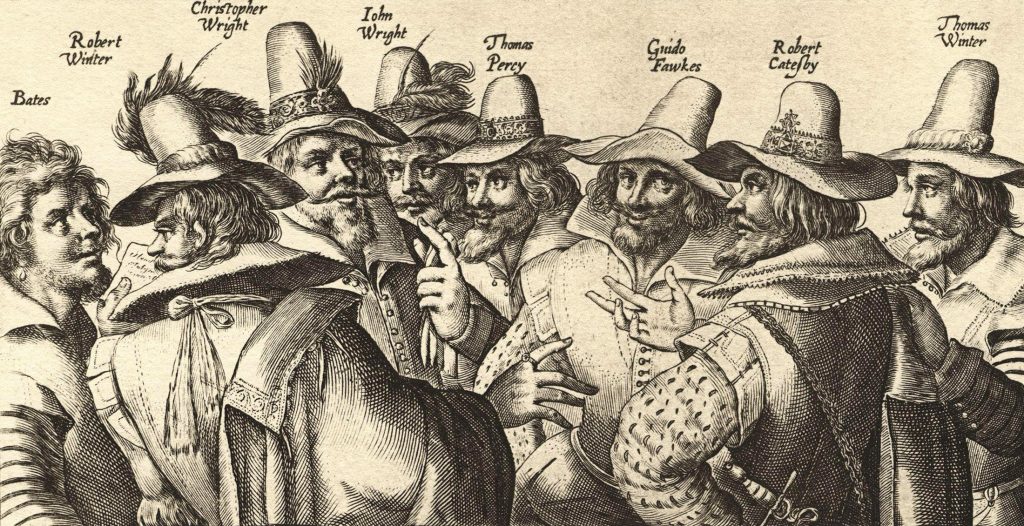
Guy Fawkes, infamous for his role in the Gunpowder Plot, epitomized religious zeal and radical resistance. His attempted act of treason against the English government still resonates in modern culture as a symbol of anti-establishment sentiment and defiance.
Benedict Arnold, once a celebrated general in the Continental Army, became synonymous with treachery after he defected to the British, driven by disillusionment and financial gain. His name is forever etched in American history as a cautionary tale of betrayal.
AI: 🕯️👁️ Francis Walsingham, ⚛️🧪 Klaus Fuchs, and 🛰️📷 Oleg Penkovsky: High-stakes Spies
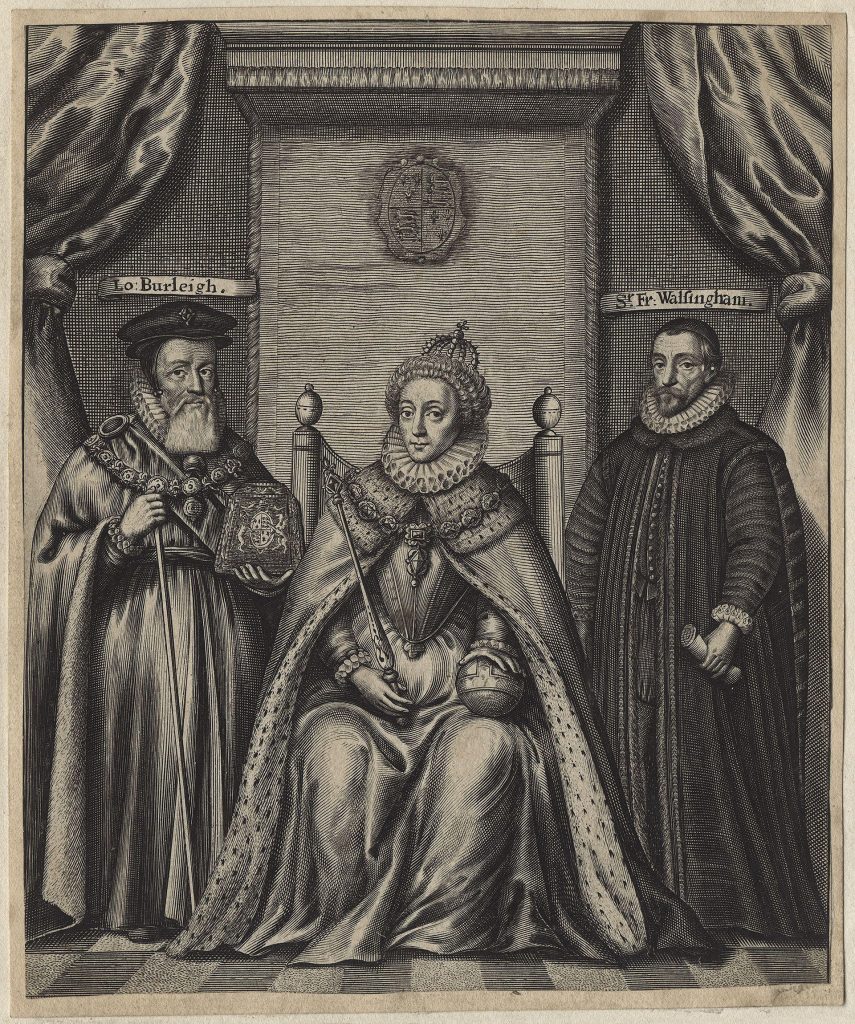
Sir Francis Walsingham (England, 16th century): “Knowledge is power.” Walsingham, Queen Elizabeth I’s spymaster, understood the crucial role of intelligence in protecting the realm and maintaining political advantage.
Klaus Fuchs (Germany/ Soviet Union): “My motive was to help potential allies of Britain who had borne the brunt of fighting.” Fuchs, a nuclear physicist, justified his betrayal of Western secrets by claiming it leveled the playing field against potential enemies during the Cold War.
Oleg Penkovsky (Soviet Union): “I realized that a nuclear war would be a universal suicide, and I wanted to do whatever I could to prevent it.” Penkovsky, a high-ranking Soviet military officer, defected to the West and provided invaluable intelligence about Soviet capabilities, driven by a desire to prevent nuclear conflict.
AI: 🏛️📘 Aristotle, 🎨⚙️ Leonardo da Vinci, and 🇺🇸⚡ Benjamin Franklin Compared: Polymathic Genius 🧩

“Knowing yourself is the beginning of all wisdom.” – Aristotle
In this timeless maxim, Aristotle encapsulates the essence of self-awareness as the foundation of wisdom. His philosophical insights continue to resonate through the ages, inspiring introspection and intellectual inquiry.
“Learning never exhausts the mind.” – Leonardo da Vinci
Leonardo da Vinci’s insatiable curiosity and dedication to lifelong learning are epitomized in this quote. His boundless creativity and multidisciplinary approach to knowledge exemplify the endless possibilities of the human intellect.
“An investment in knowledge pays the best interest.” – Benjamin Franklin
Benjamin Franklin’s pragmatic wisdom shines through in this succinct observation. As a polymath and statesman, Franklin understood the transformative power of education and intellectual pursuits in fostering personal growth and societal progress.
AI: ⚡📜 Morse (Telegraph), 📞🗣️ Bell (Telephone), and 📡🌊 Marconi (Radio) Compared: Communication Revolution

Samuel Morse (Telegraph): “What hath God wrought?” These were the first words Morse transmitted by telegraph, marveling at the power of his invention to connect people over vast distances instantly.
Alexander Graham Bell (Telephone): “Mr. Watson, come here. I want to see you.” With this simple sentence, Bell ushered in a new era of communication, allowing for direct, real-time conversations.
Guglielmo Marconi (Radio): “The coming of the wireless era will make war impossible because it will make war ridiculous.” Marconi hoped his wireless transmission could foster communication and understanding, potentially preventing conflict.
AI: Mahatma Gandhi, Nelson Mandela, and Martin Luther King Jr. Compared: Nonviolence 🕊️
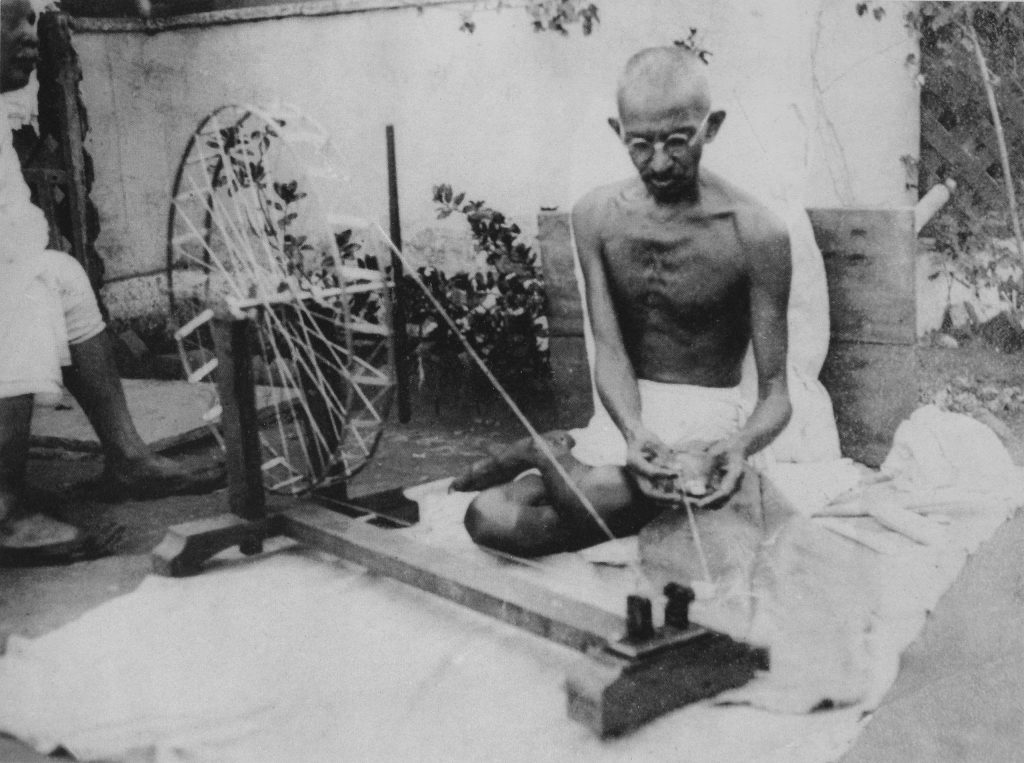
Mahatma Gandhi (India): “In a gentle way, you can shake the world.” This quote embodies Gandhi’s belief in nonviolent resistance, where unwavering conviction could dismantle oppressive systems.
Nelson Mandela (South Africa): “No one is born hating another person because of the color of his skin, or his background, or his religion. People must learn to hate, and if they can learn to hate, they can be taught to love, for love comes more naturally to the human heart than its opposite.” Mandela’s quote highlights his commitment to reconciliation and the power of love to overcome hate.
Martin Luther King Jr. (United States): “The time is always right to do what is right.” King’s powerful statement emphasizes the importance of taking action for justice, regardless of the challenges faced.
AI: Marcus Licinius Crassus, Robert Morris, and John Pierpont Morgan Compared: Financier 💰
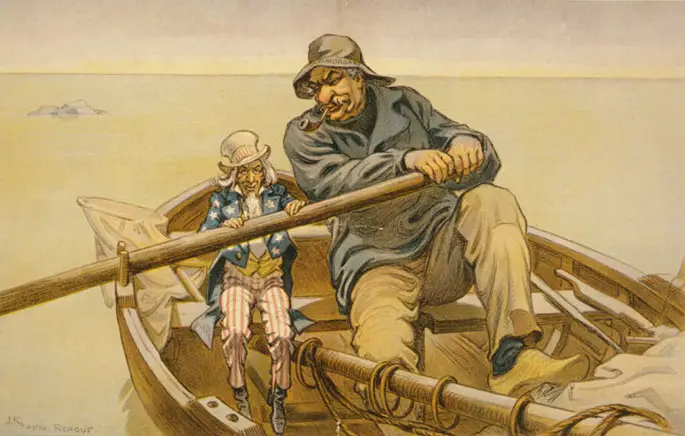
Marcus Licinius Crassus, Robert Morris, and John Pierpont Morgan were titans of their respective times, synonymous with immense wealth and influence. Crassus, a Roman general and politician, amassed his fortune through ruthless real estate speculation and the exploitation of slave labor. Morris, the “Financier of the Revolution,” leveraged his mercantile prowess to secure crucial funding for the American war effort. Morgan, a dominant figure in American finance, played a pivotal role in consolidating industries and restructuring troubled corporations. These men, separated by centuries, navigated vastly different political and economic landscapes. Yet, their stories intertwine as examples of ambition, cunning, and the enduring fascination with the power of wealth.
AI: Alexander the Great, Genghis Khan, and Tamerlane Compared: World Conquerers 🌍⚔️
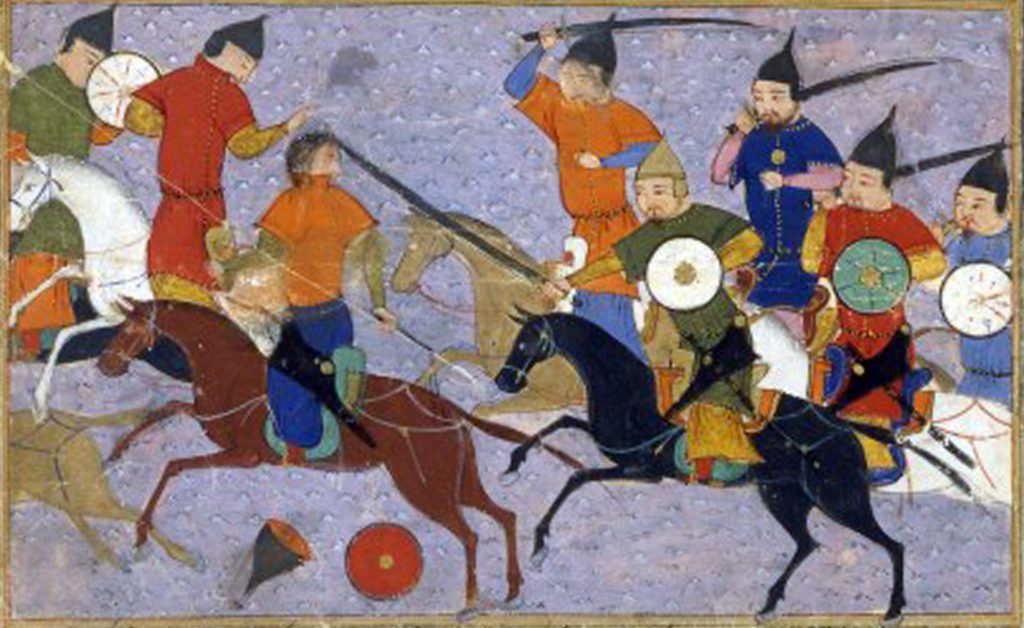
Alexander, with eyes that mirrored the Macedonian sky, once declared, “There are no limits to growth, and there are no limits to human potential.” Fueled by an insatiable hunger for knowledge and glory, his conquests stretched from Greece to India.
Genghis Khan, the “Wolf of the Steppes,” growled a different truth. “Conquest is the only means to peace,” he rasped, his voice forged in the fires of tribal warfare. His empire cobbled together from warring Mongol nomads, became a juggernaut that reshaped the world.
Tamerlane, the “Iron Emir,” his gaze as hard as the deserts he ruled, offered a chilling perspective. “The proper punishment for rebellion is extermination,” he proclaimed. His reign was a whirlwind of violence and cultural destruction, yet beneath the carnage, he fostered a flourishing of art and science in his capital, Samarkand.
AI: Blackbeard, Sir Francis Drake, and Ching Shih Compared: Pirates 🏴☠️

Blackbeard, a showman with fire and fury, ruled through fear. Drake, a pirate with a crown’s blessing, plundered for queen and country. Ching Shih, the ruthless Pirate Queen, amassed an empire through cunning and power. Though their methods differed, they carved their names into legends with salt spray and steel.
“Blackbeard roared like a hurricane, his cutlass a streak of lightning,” they’d say in the taverns.
“Drake sailed with a queen’s favor, a map in one hand and a prayer in the other,” the scholars would whisper.
“Ching Shih,” the pirates murmured, “built her dominion on the backs of tigers, her mind as sharp as her blades.”
AI: 🍼😢🇬🇧 Meryl Streep, 🌼🍽️🦁🌅 Katharine Hepburn, and 🎭👒 Bette Davis Compared: Oscars Best Actress Nominations 🏆
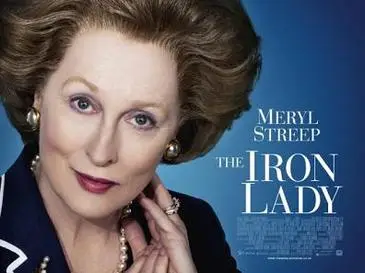
Streep’s chameleon-like brilliance lets her embody any character. Hepburn brought wit and elegance to strong female leads. Davis blazed a trail for complex characters with her fierce on-screen presence. All three redefined what it meant to be a leading lady, leaving an indelible mark on cinema.
“Meryl Streep can take on any face, accent, or soul. It’s like watching a different actress every time.” – Dustin Hoffman (on Streep’s transformative ability)
“Katharine Hepburn: the embodiment of intelligent, strong women on screen, long before it was fashionable.” – Jane Fonda (on Hepburn’s portrayal of feminist ideals)
“Bette Davis? A firecracker. She wasn’t afraid to be vicious, vulnerable, complex – all in the same breath.” – Marlene Dietrich (on Davis’s fearless acting choices)
AI: 🛡️ Spartacus, ⚜️ Joan of Arc, and 🏜️ Lawrence of Arabia Compared: Hero 🌟
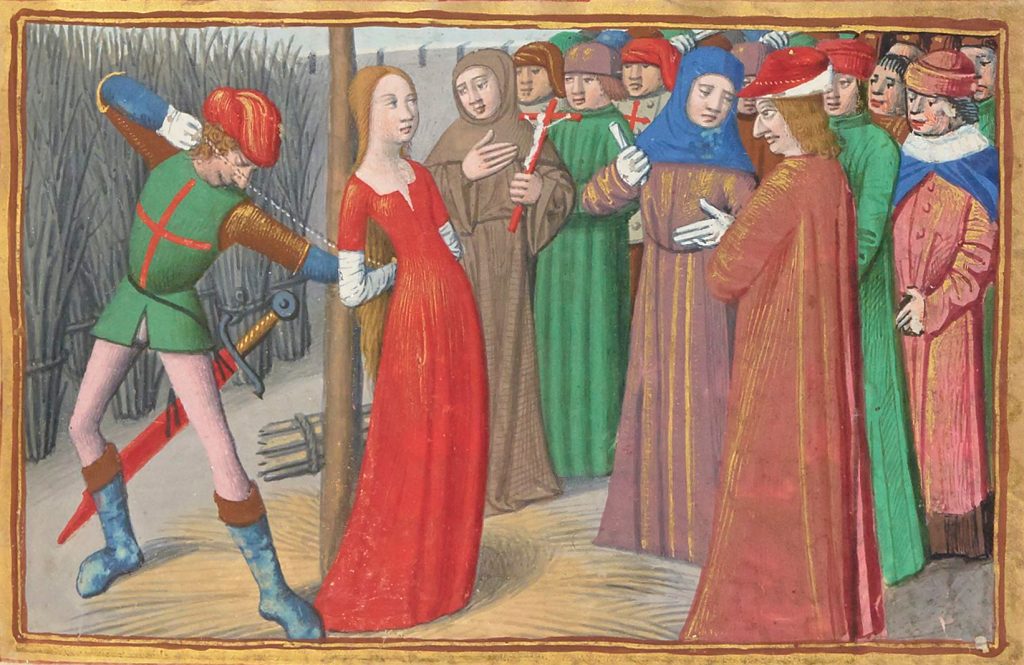
While Spartacus fought for individual freedom through fierce rebellion, Joan of Arc, driven by divine faith, led armies to national glory. Lawrence of Arabia, motivated by justice, navigated the complexities of war and diplomacy on foreign soil. Though separated by centuries and circumstances, all three defied the odds and left an indelible mark on their respective struggles.
“Spartacus: ‘I am Spartacus!’ – A defiant roar against oppression, echoing through the ages.”
“Joan of Arc: ‘Hear the voices, believe in the message!’ – A young woman’s unwavering faith guiding a nation.”
“Lawrence of Arabia: ‘No man is a failure who has friends.’ – A reminder that even in revolutions, unity prevails.”