
AI: Thomas J. Watson, Jr., Seymour Cray, and Steve Jobs Compared: Computer Titans (Part II 🚀 Seymour Cray)
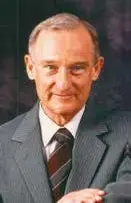
The New York Times quotes –
“The Cray-1 is said by computer experts to be the fastest computer ever made for scientific purposes, able to carry out in one second the work that would keep a person busy at a desk calculator for a month.”
“Steve Jobs, in a 1985 interview, when asked about the importance of design simplicity, paused, then said with a slight smile, ‘You know, Seymour Cray once said something like, ‘Simplicity is the ultimate sophistication.’ He really understood that. We try to keep that in mind at Apple.'”
“If you were plowing a field, which would you rather use: two strong oxen or 1024 chickens?”
Meaning: Cray’s analogy for his preference for a few powerful processors over many weaker ones (in the context of his time). He believed a streamlined design was more efficient for many scientific workloads.
Cray’s quotes -“One of my guiding principles is don’t do anything that other people are doing. Always do something a little different if you can. The concept is that if you do it a little differently there is a greater potential for reward than if you the same thing that other people are doing.”
AI: Thomas J. Watson, Jr., Seymour Cray, and Steve Jobs Compared: Computer Titans (Part I 🌐 Thomas J. Watson, Jr.)
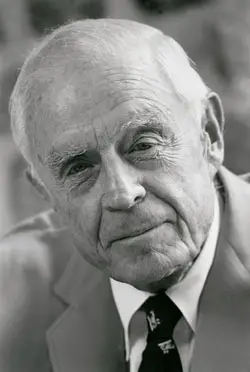
Quote Fortune Magazine: Thomas Watson Jr.
“The greatest business risk of the twentieth century” – This was how Fortune described Watson Jr.’s decision to invest heavily in the System/360, a gamble that ultimately paid off and transformed IBM.
Quote The New York Times: Thomas Watson Jr.
“He was a complex and contradictory figure, a man of great drive and ambition who also possessed a deep sense of social responsibility.” – The Times captured the different facets of his personality, acknowledging his business acumen and commitment to social causes.
Quote Steve Jobs: Thomas Watson Jr.
“Thomas Watson Jr. once said, ‘Good design is good business.’ I’ve always believed that. That’s why Apple spends so much on design.”
This captures Jobs’ philosophy on the importance of design as a core part of business strategy.
AI: Fall of the Western Roman Empire 🔥

On internal weaknesses:
“The empire died of indigestion.” – Will Durant. This metaphorical quote suggests that the empire became too large and unwieldy to manage effectively, leading to internal problems.
On the complexity of the fall:
“The decline and fall of the Roman Empire is the greatest single drama in European history.” – Edward Gibbon. This is from Gibbon’s monumental work, The History of the Decline and Fall of the Roman Empire. He highlights the sheer scale and significance of the event.
On the legacy of Rome:
“Rome’s legacy is immense. It shaped Western civilization in countless ways.” – Mary Beard. This acknowledges the enduring impact of Roman law, culture, and institutions on the Western world.
AI: William Wyler, Martin Scorsese, and Steven Spielberg Compared: Best Director Oscar Nominations (Part III 🎬🌟 Steven Spielberg)

“I didn’t go to film school. I was self-taught. But I had great teachers, you know? All my influencers were the directors and the writers of the movies I was watching in theaters and on television. And my film school was really the cultural heritage of Hollywood and international filmmaking because there’s no better teacher than Lubitsch or Hitchcock or Kurosawa or Kubrick, you know, or Ford or William Wyler or Billy Wilder or Clarence Brown – I mean, Val Lewton. I mean, those were my teachers.”
— Steven Spielberg, Fresh Air interview
“Spielberg is a giant. He’s one of the greatest filmmakers of all time.” – Martin Scorsese.
“Steven is a magician. He has a way of seeing the world that is both childlike and profound.” – John Williams.
“There’s no one better than Steven Spielberg at making a movie.” – Tom Hanks.
AI: William Wyler, Martin Scorsese, and Steven Spielberg Compared: Best Director Oscar Nominations (Part II 🎞️🔥 Martin Scorsese)
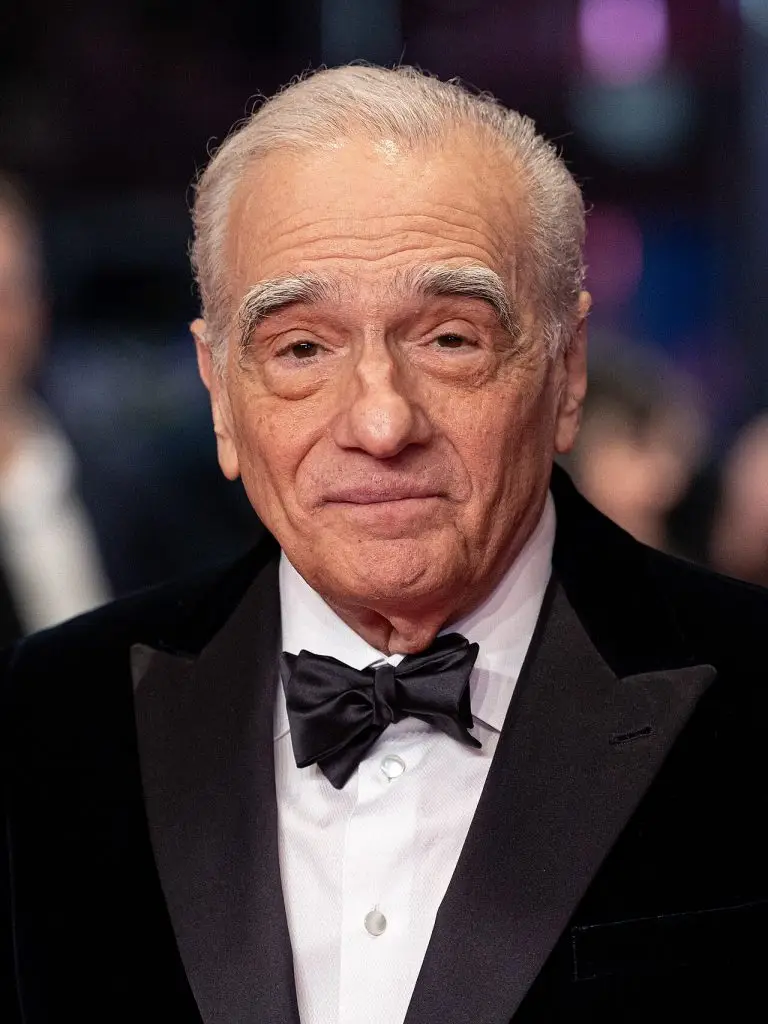
“Marty’s always pushing me to go further, to explore new territory. He’s not afraid to take risks, and he encourages me to do the same.” – This quote reveals how Scorsese challenges De Niro as an actor, pushing him to explore new depths and take on challenging roles.
“Marty has an incredible understanding of human nature. He knows how to get to the core of a character and bring out the truth in their emotions.” – This quote speaks to Scorsese’s ability to elicit powerful performances from his actors and his deep understanding of the human condition, which resonates with DiCaprio.
“Marty’s a magician. He’s able to create these worlds on film that are so real, so visceral, you feel like you’re right there in the middle of them.” – This quote highlights Spielberg’s admiration for Scorsese’s ability to create immersive and authentic cinematic worlds, often depicting the gritty realities of urban life and crime.
AI: William Wyler, Martin Scorsese, and Steven Spielberg Compared: Best Director Oscar Nominations (Part I 🎥✨ William Wyler)
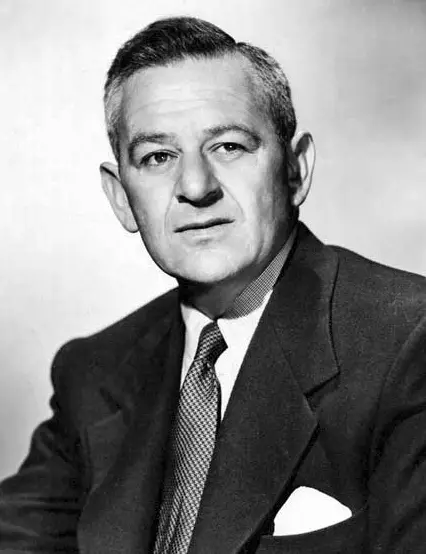
It was all Wyler. I had known all the horrors of no direction and bad direction. I now knew what a great director was and what he could mean to an actress. I will always be grateful to him for his toughness and his genius.
—Bette Davis
If any film actor is having trouble with his career, can’t master the medium, and, anyway, wonders whether it’s worth it, let him pray to meet a man like William Wyler.
—Laurence Olivier
Dear Mad Willy. I saw Mrs. Miniver last night. It is absolutely wonderful. You repeatedly amaze me with the demonstrations of your talent, and I ask you to believe that it is with genuine pleasure that I salute this latest and greatest example of your work.
—Producer David Selznick
“Wyler’s films are full of humanity. He had a deep understanding of the human condition and a compassion for his characters, even the flawed ones.”
– Martin Scorsese
“Wyler’s films are timeless. They deal with universal themes and emotions that resonate with audiences across generations.”
– Steven Spielberg
AI: 🔺 Egyptian Pyramids, 🏛️ Karnak Temple, ⚰️ Valley of the Kings, 🗿 Abu Simbel, and 🦁 Great Sphinx Compared: Egyptian Engineering, Architecture, Astronomy, and Art 🌞

Herodotus, known as the “Father of History,” wrote early accounts of the Great Pyramid of Giza in his Histories.
Quote: “Egypt is the gift of the Nile.”
While no specific historical quotes are attributed directly to Karnak, Egyptologists like Zahi Hawass have commented on its grandeur in modern times.
Quote: “Karnak Temple is the largest and most impressive religious site in ancient Egypt. It was the Vatican of its time.”
Howard Carter, the archaeologist who discovered Tutankhamun’s tomb, is often quoted for his reflections on the Valley of the Kings.
Quote: “As my eyes grew accustomed to the light, details of the room within emerged slowly from the mist, strange animals, statues, and gold—everywhere the glint of gold.”
Jean-François Champollion, the French scholar who deciphered the Rosetta Stone, was awed by Abu Simbel’s monumental architecture during his travels.
Quote: “It is grandiose and overwhelming.”
Mark Lehner, a prominent Egyptologist, has written extensively about the Great Sphinx.
Quote: “The eternal guardian, whose gaze holds the mystery of the past and the wisdom of the ancients.”
AI: Analyzes History’s Greatest 15 Highways, Roads, and Trails 🛣️
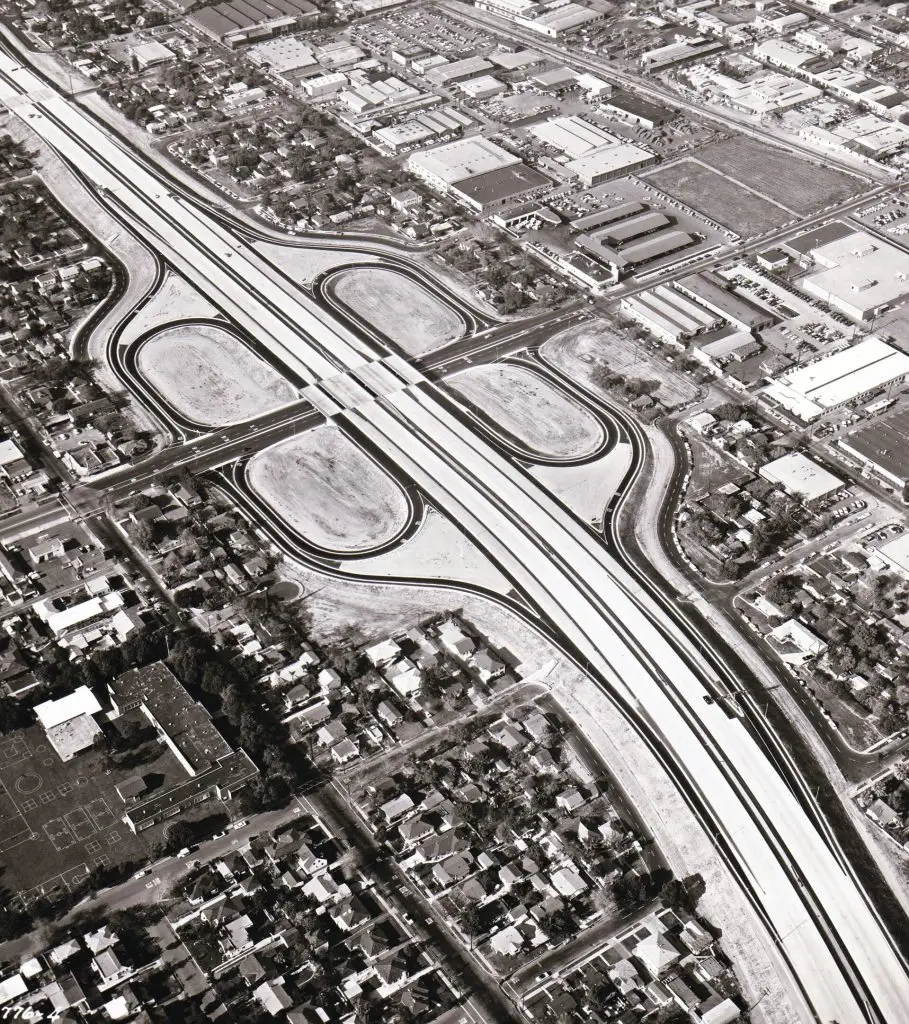
“The Appian Way is the Queen of Roads.” – Statius, Silvae (This poetic declaration captures the Appian Way’s status as the most important and impressive road in ancient Rome.)
“I have not told half of what I saw, for I knew I would not be believed.” – Marco Polo, The Travels of Marco Polo (While not specifically about the Silk Road itself, this quote speaks to the wonders encountered along this route, which opened up the world to those who traveled it.)
“…that long, dusty, tedious road, the terrors of which have been so often portrayed.” – Amelia Hadley, pioneer diarist (This quote captures the weariness and challenges faced on the Oregon Trail.)
“If you ever plan to motor west, / Travel my way, take the highway that’s the best. / Get your kicks on Route 66!” – Bobby Troup, “(Get Your Kicks on) Route 66.” (These lyrics from the iconic song capture the allure and excitement of Route 66.)
AI: Battle of ⚓Sicilian Expedition, 🛡️Cannae, 🌲Teutoburg Forest, 🔥Red Cliffs, 🌪️“Kamikaze” or Divine Wind, 🏹 Agincourt, 🏙️Tenochtitlán, ⚓Lepanto, 🌊Spanish Armada, 🇺🇸Saratoga, 🪶Little Bighorn, 🛡️Isandlwana, 🎯Tannenberg, ⚡France, and ❄️Stalingrad; Analyzes History’s Greatest 15 Military Disasters ⚔️
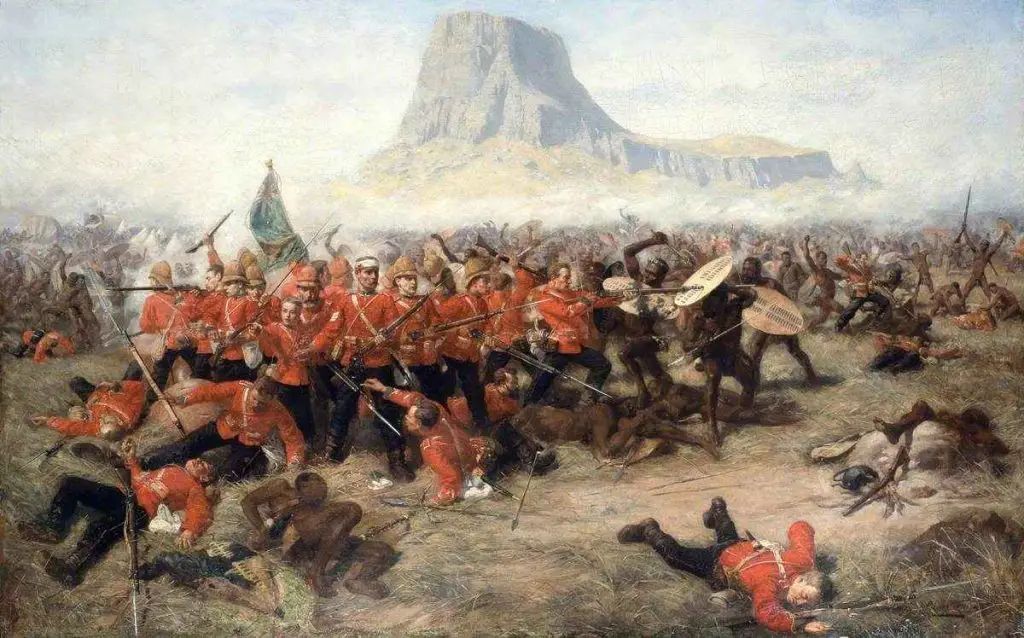
Sicilian Expedition: “The Athenians, on the other hand, became so confident that they would conquer Sicily that they quite forgot that they had an enemy to deal with.” – Thucydides
Teutoburg Forest: “Quintili Vare, legiones redde!” (“Quintilius Varus, give me back my legions!”) – Attributed to Emperor Augustus
Battle of Agincourt: “We few, we happy few, we band of brothers.” – Shakespeare
Battle of Lepanto: “From the fury of the Turk, deliver us, O Lord.” – Battle cry of the Holy League
Spanish Armada: “I know I have the body of a weak and feeble woman; but I have the heart and stomach of a king, and of a king of England too.” – Queen Elizabeth I
Battle of Isandlwana: “If we go forward, we die. If we go backward, we die. So let us go forward and die.” – Zulu warrior
Battle of France: “The Führer has achieved a victory greater than any in history.” – German radio broadcast announcing the fall of France
AI: Analyzes History’s Greatest 15 Lovers 💘

Cleopatra and Mark Antony: “I am dying, Egypt, dying.” – Shakespeare’s Antony and Cleopatra, capturing the tragic end of their passionate affair.
Queen Victoria and Prince Albert: “He was my life, my stay, my all.” – Queen Victoria expressing her profound grief and dependence on her beloved husband.
Isabella I of Castile and Ferdinand II of Aragon: “Tanto monta, monta tanto, Isabel como Fernando” (“It matters as much, it’s the same, Isabella as Ferdinand”) – This motto symbolized their equal partnership in ruling Spain.
Elizabeth Barrett Browning and Robert Browning: “How do I love thee? Let me count the ways.” – Elizabeth Barrett Browning, expressing the boundless nature of her love for Robert.
Mumtaz Mahal and Shah Jahan: “The Taj Mahal is a teardrop on the cheek of eternity.” – Rabindranath Tagore, capturing the beauty and sorrow enshrined in this monument to love.