
AI: 🧬📖 Charles Darwin,🌲🌄 John Muir, and 🐅🎥 David Attenborough Compared: Naturalists
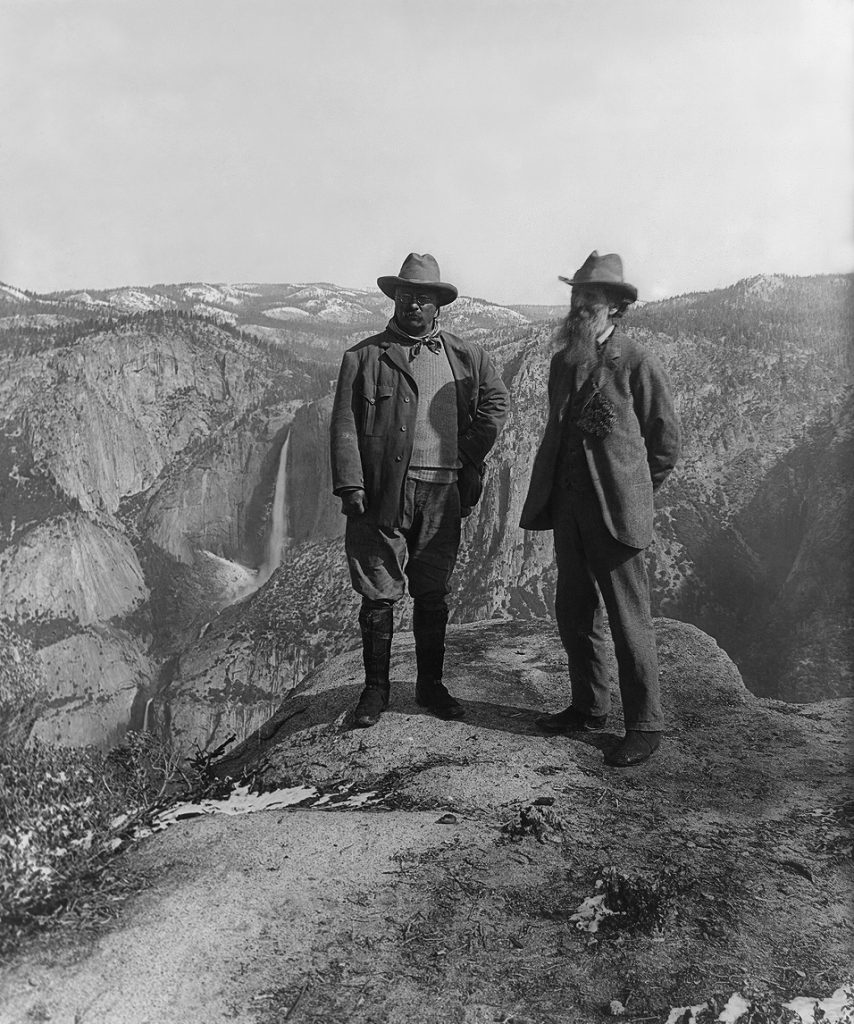
Darwin, the meticulous observer: “Nature is not the work of a single hand,” he mused, his words echoing the meticulous notes in his journal, “but of many, many hands, modifying and improving on creations older than ourselves.”
Muir, the impassioned advocate: “Climb the mountains and get their good tidings. Nature’s peace will flow into you as sunshine flows into trees. The winds will blow their own freshness into you, and the storms their energy, while cares will drop away like autumn leaves.” His voice, booming with the spirit of the wilderness, resonated with a call to protect its grandeur.
Attenborough, the captivating storyteller: “The greatest show on Earth,” he declared, his voice seasoned with the wisdom of countless expeditions, “is right here under our noses. Every leaf, every insect, every twist in the fabric of life, a marvel waiting to be unveiled.” His words, woven into captivating narratives, painted a vibrant tapestry of the natural world.
AI: Famous Speeches Compared: Cicero, Lincoln, and Churchill 🎙️
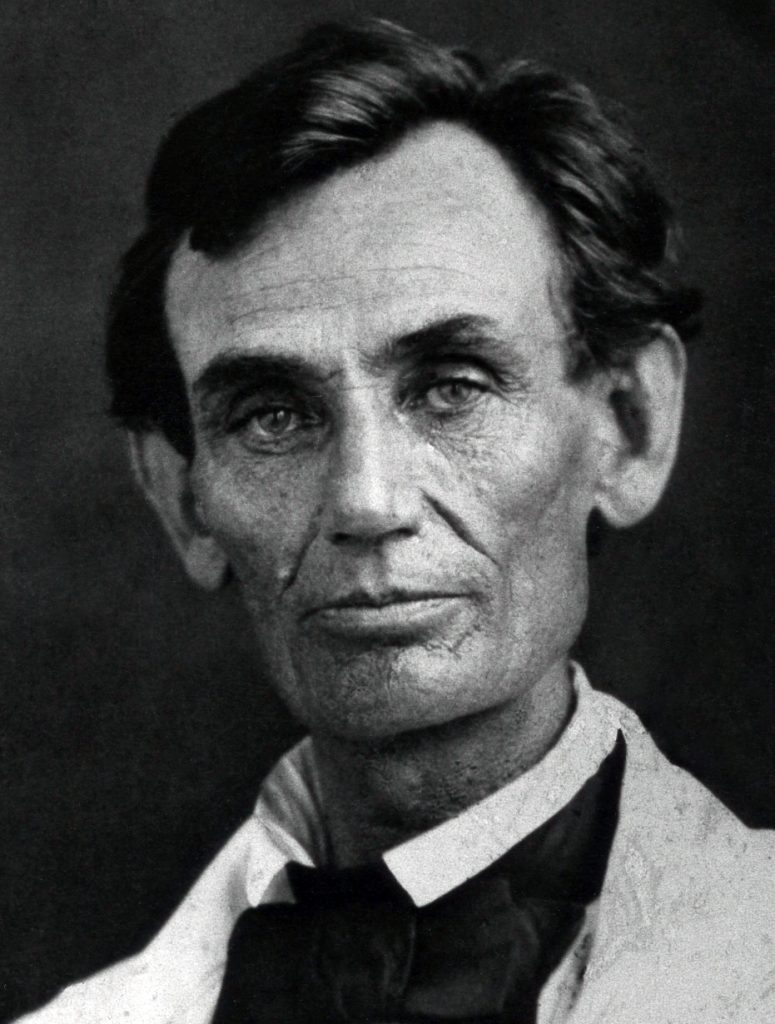
Cicero: “Quousque tandem abutere, Catilina, patientia nostra?” (“How long, Catiline, will you abuse our patience?”) – A fiery defiance against threats to the Roman Republic.
Lincoln: “Four score and seven years ago our fathers brought forth on this continent, a new nation, conceived in liberty, and dedicated to the proposition that all men are created equal.” – A poignant reminder of America’s founding ideals during a time of division.
Churchill: “We shall fight on the beaches, we shall fight on the landing grounds, we shall fight in the fields and in the streets, we shall fight in the hills; we shall never surrender.” – An unwavering declaration of resistance against tyranny, echoing across a war-torn world.
AI: 🛠️🚂🌉 Isambard Kingdom Brunel, 🚗🏭🔧 Henry Ford, and 🚀⚡🛰️ Elon Musk Compared: Titans of Engineering

Brunel: “The world is a canvas, and I am merely its artist. With a bridge of iron and a tunnel of stone, I shall paint it with the audacity of steam and the grace of progress.”
Ford: “Cars are not just about speed or luxury; they are about freedom and opportunity. I dream of a world where every family can own a vehicle, and the open road beckons them towards a brighter future.”
Musk: “Innovation is not just about tweaking existing ideas; it’s about leaping across chasms, colonizing new worlds, both literal and metaphorical. We must push the boundaries of what’s possible, even if it means defying expectations and embracing the unknown.”
AI: 🧙♂️ Tolkien, 🤡 Swift, and 🏰 Malory Compared: Fantasy, Satire, and Arthurian Romance
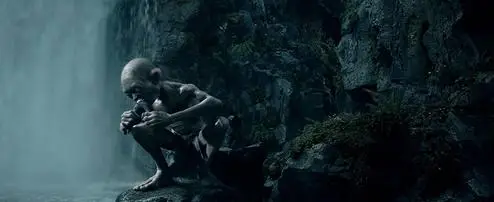
J.R.R. Tolkien’s profound world-building is evident in his statement, “Fantasy is escapist, and that is its glory. If a soldier is imprisoned by the enemy, don’t we consider it his duty to escape?”
Jonathan Swift’s satirical lens on society shines through in his words, “Satire is a sort of glass, wherein beholders do generally discover everybody’s face but their own.”
Sir Thomas Malory encapsulates the essence of chivalric ideals with the timeless quote, “For love is so strong, paramour, in this world, that he may suffise that is hurte with love, to be helped with other love.”
AI: ⛪ Cardinal Richelieu, 🦅 Bismarck, and 🕶️ Kissinger Compared: Essence of Statecraft
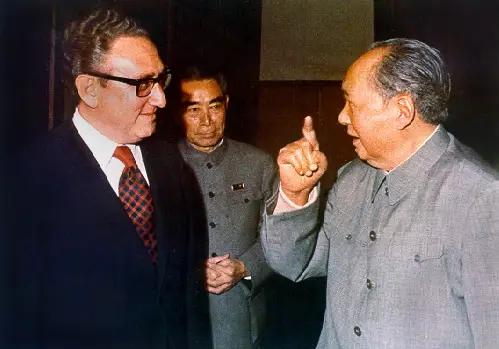
“The art of statecraft,” Cardinal Richelieu once mused, “lies not in crafting treaties, but in weaving a web of interests so intricate that none dare break a single thread.” Centuries later, Otto von Bismarck echoed this sentiment: “Politics is the art of the possible, the sausage-making of compromise where ideals must yield to realities, however grubby.” Henry Kissinger, the architect of American realpolitik, echoed the sentiment: “Statesmanship is the art of the possible.” In these three pronouncements, whispered across epochs, lies the essence of statecraft – a ruthless pragmatism tempered by an exquisite touch. In this Machiavellian ballet, power and prudence must dance in intricate harmony. Through this lens, we must examine the legacies of these three giants of power: Richelieu, Bismarck, and Kissinger.
AI: 🎭 Ovid, 🎯 Jane Austen, and 😂 John Cleese Compared: Wit, Satire, and the Human Condition
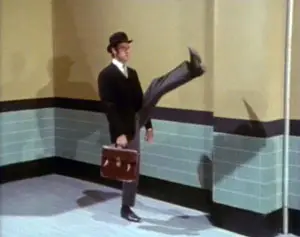
Though separated by centuries, Roman poet Ovid, novelist Jane Austen, and comedian John Cleese all share a sharp wit. They use humor to expose societal flaws, nudge readers towards introspection, and leave audiences chuckling while contemplating life’s complexities.
Ovid: “Love is always wanting what it cannot have.” (Metamorphoses) – A timeless truth about desire, explored with wit in his mythical tales.
Austen: “It is a truth universally acknowledged, that a single man in possession of a good fortune, must be in want of a wife.” (Pride and Prejudice) – Social satire with a wink, dissecting the marriage market of her era.
Cleese: “Nobody likes being bossed. That’s the root of most unhappiness.” (Fawlty Towers) – Cleverly absurdist humor, highlighting the universality of human frustrations.
AI: 🏯 Qin Shi Huang (Legalism), 🦅 Augustus (Roman Empire), ⭐ George Washington (Democracy), and 🔨 Vladimir Lenin (Communist) Compared: Each leader inherited a nation in crisis and radically reshaped its government, but their methods and the systems they built were profoundly different. 🌐
Qin Shi Huang, the first emperor of China, unified warring states under the philosophy of Legalism, emphasizing strict laws and harsh punishments.
Augustus, Rome’s first emperor, ushered in an era of relative peace and prosperity after a period of civil war.
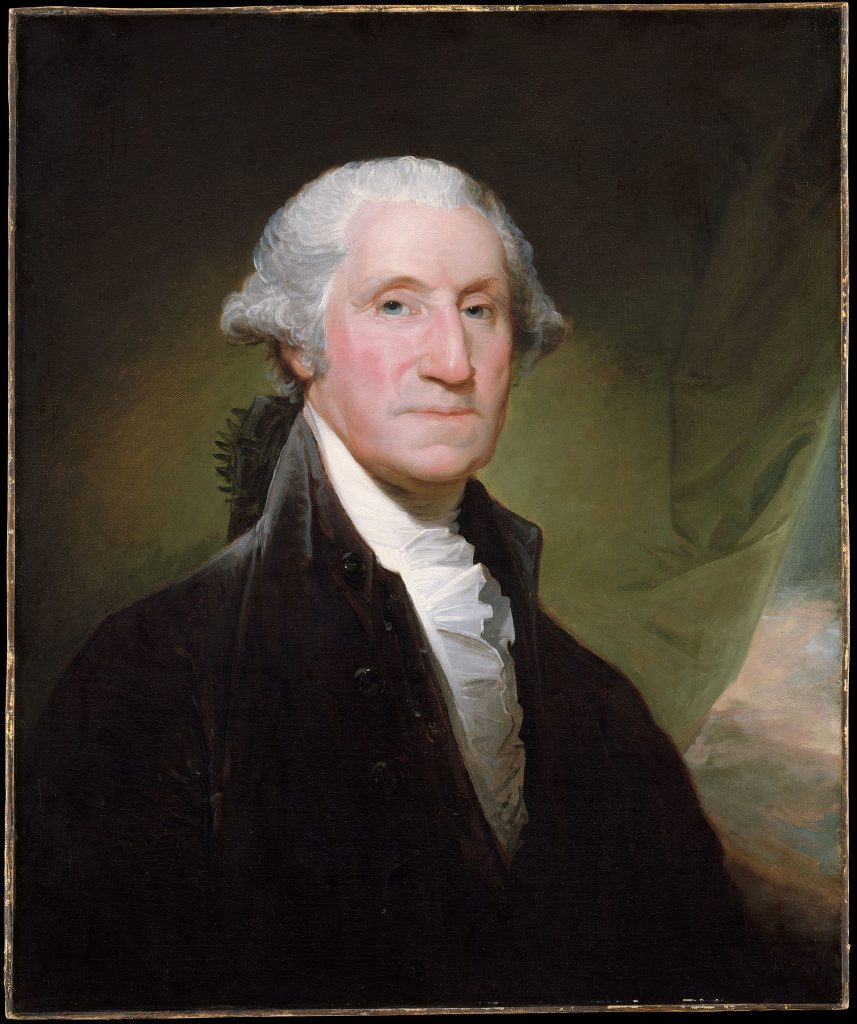
George Washington, the United States’ first president, led the fight for independence and helped establish a fledgling democratic republic.
To All Workers, Soldiers and Peasants. The Soviet authority will at once propose a democratic peace to all nations and an immediate armistice on all fronts. It will safeguard the transfer without compensation of all land—landlord, imperial, and monastery—to the peasants’ committees … Long live the revolution!
— Lenin’s political programme, October 1917
AI: ⚙️ Archimedes, 🍎 Newton, and 🌌 Einstein Compared: Titans of Physics 🧠
Archimedes:
“Eureka! (I have found it!)” – This exclamation is famously attributed to Archimedes as he discovered the principle of buoyancy while taking a bath.
Isaac Newton:
“What we know is a drop, what we don’t know is an ocean.” – This reflects Newton’s humility and acknowledgement of the vastness of knowledge yet to be discovered.
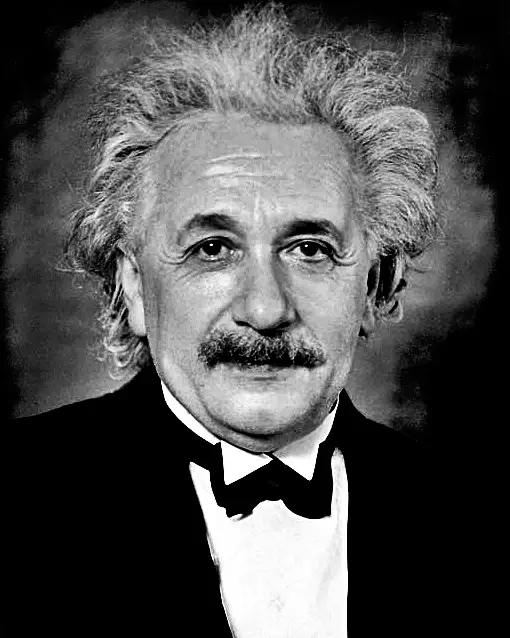
Albert Einstein:
“The most beautiful thing we can experience is the mysterious. It is the source of all true art and science.” – This speaks to Einstein’s awe and reverence for the unknown and his belief that the pursuit of knowledge is driven by a sense of wonder.
AI Rockets Between 1924 and Today: A Journey Through Innovation 🛰️🚀

“The rocket will not only conquer the Earth, but also space,” declared Sergei Korolev, channeling the spirit of ambition and possibility that fueled the rocket revolution of the 20th century and paved the way for humanity’s first steps beyond our planet.
AI Political Humor Between 1500 and Today: A Journey Through Time 🎭😂
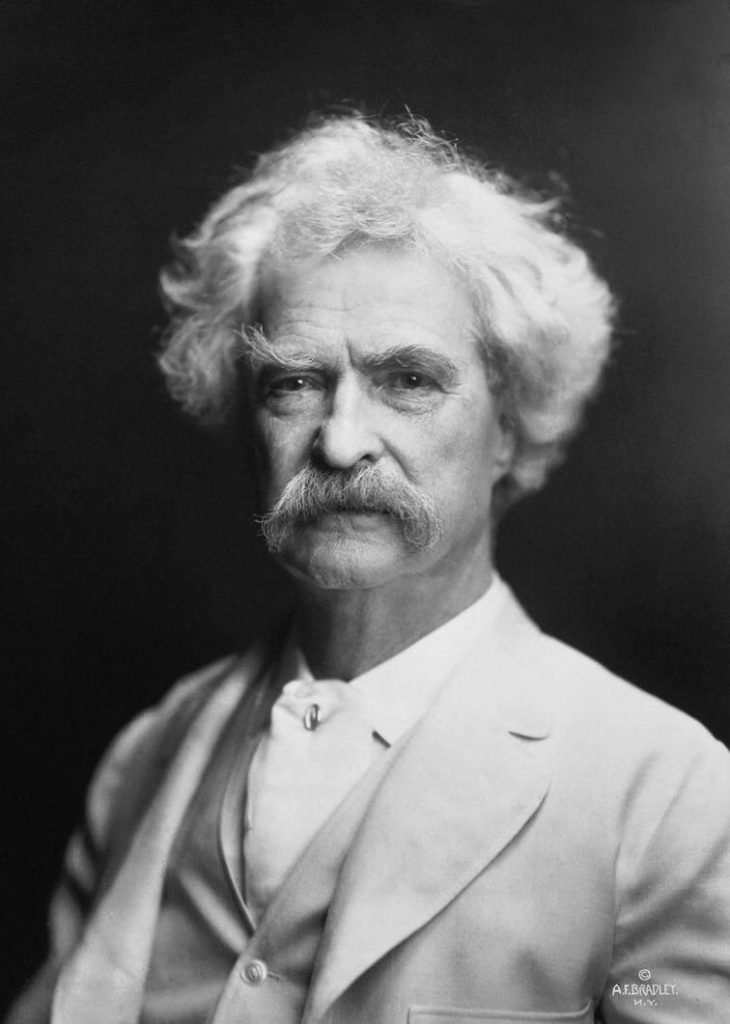
“Against the assault of laughter, nothing can stand,” Mark Twain proclaimed, highlighting the enduring power of political humor to expose hypocrisy, unite people, and even topple regimes, as it has throughout history. Political humor has evolved over the centuries, reflecting the changing social, political, and cultural landscapes of different eras. From the satirical wit of Renaissance playwrights to the scathing commentary of modern-day comedians, political humor has consistently served as a powerful tool for social commentary, challenging authority, and sparking change.