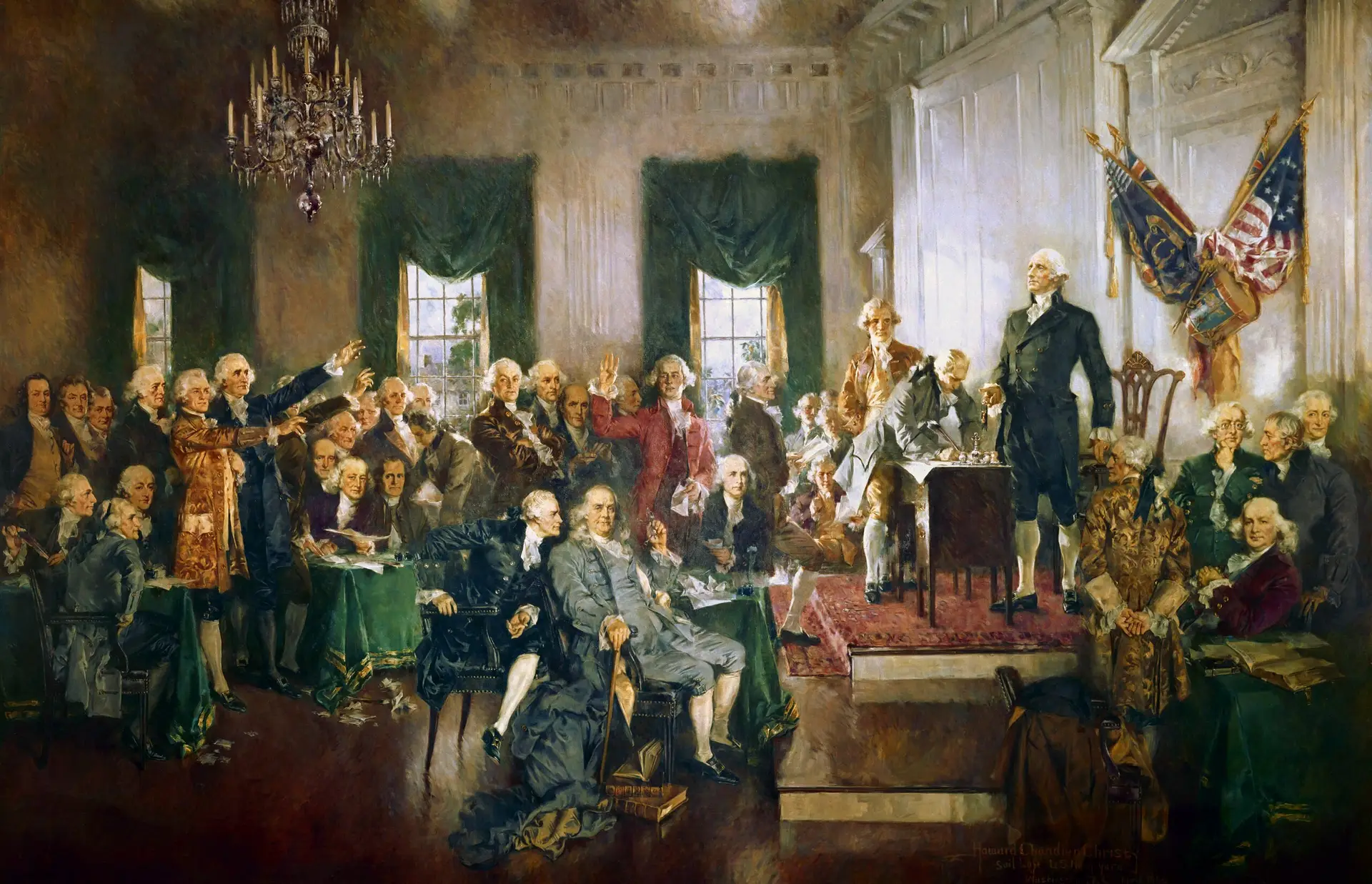
Scene at the Signing of the Constitution of the United States (Wiki Image).
Scene at the Signing of the Constitution of the United States
Howard Chandler Christy’s 1940 masterpiece is arguably the most famous and recognizable visual representation of America’s founding. Depicting the historic events of September 17, 1787, at Independence Hall in Philadelphia, the painting captures the moment the delegates stepped forward to sign the document that would govern the nation.
Here is a breakdown of the painting’s creation, composition, and historical significance:
🎨 The Creation and Scale
-
A Massive Canvas: This is not a standard-sized portrait; it is a monumental mural. The painting measures a staggering 20 by 30 feet, designed to capture the immense gravity of the historical moment.
-
Meticulous Research: Christy was deeply committed to historical accuracy. He spent months researching the era’s clothing, furniture, and lighting. He even tracked down original portraits of the delegates to ensure their faces were as accurate as possible.
-
The Missing Signers: Of the 55 delegates who attended the convention, only 39 actually signed the Constitution. Christy chose to include exactly 40 figures in the painting—the 39 signers plus William Jackson, the convention’s secretary, who is shown counting the votes.
👤 Key Figures Depicted
-
George Washington: As you noted, Washington anchors the painting. He stands on the dais as the presiding officer, radiating a quiet, authoritative presence. He is bathed in a bright, almost theatrical light, emphasizing his indispensable role in holding the deeply divided convention together.
-
Benjamin Franklin: Seated in the center foreground holding a cane, the 81-year-old Franklin is depicted as the elder statesman of the convention. His placement near the center draws the eye and highlights his crucial role as a moderating, unifying voice.
-
Alexander Hamilton: Standing prominently to Franklin’s left, leaning slightly forward in a dark coat, Hamilton is shown isolated from his fellow New York delegates (who had left the convention early in protest).
-
James Madison: Often called the “Father of the Constitution,” Madison is seated near the center, actively engaged and looking toward Franklin.
🏛️ Location and Legacy
-
The U.S. Capitol: Congress commissioned the painting in 1939 to coincide with the 150th anniversary of the Constitution’s formation. Today, it hangs prominently in the east stairway of the House of Representatives wing in the U.S. Capitol Building.
-
A Patriotic Ideal: Painted on the eve of America’s entry into World War II, Christy’s work was meant to inspire a sense of national unity and reverence for democratic institutions. It remains the definitive image of the Constitutional Convention in American textbooks and popular culture.
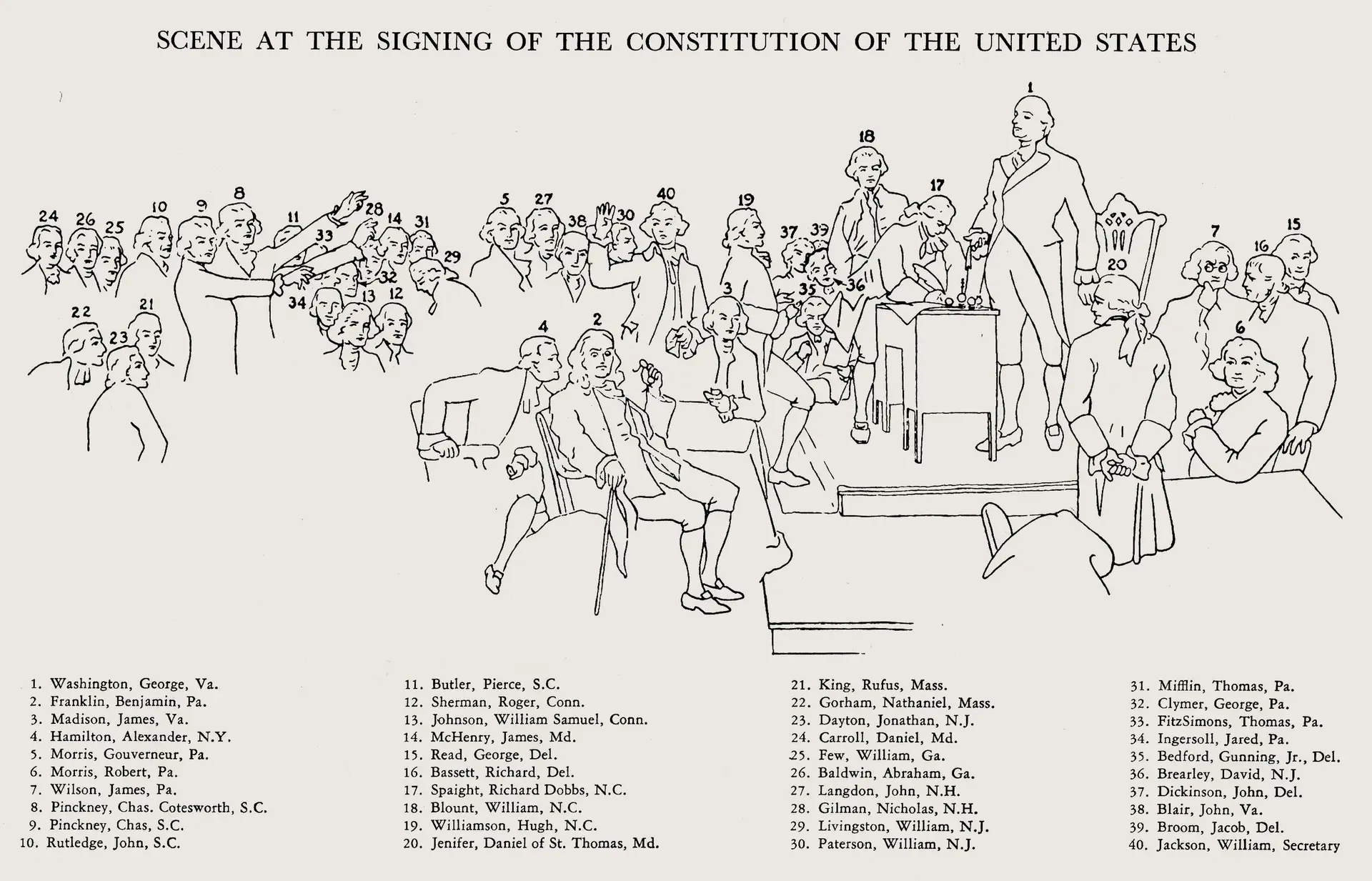
Key figures in the painting (Wiki Image).
YouTube
A.I. Washington, George, Va., faced obstacles, successes, wisdom, and constitutional leadership concerning the Constitution.
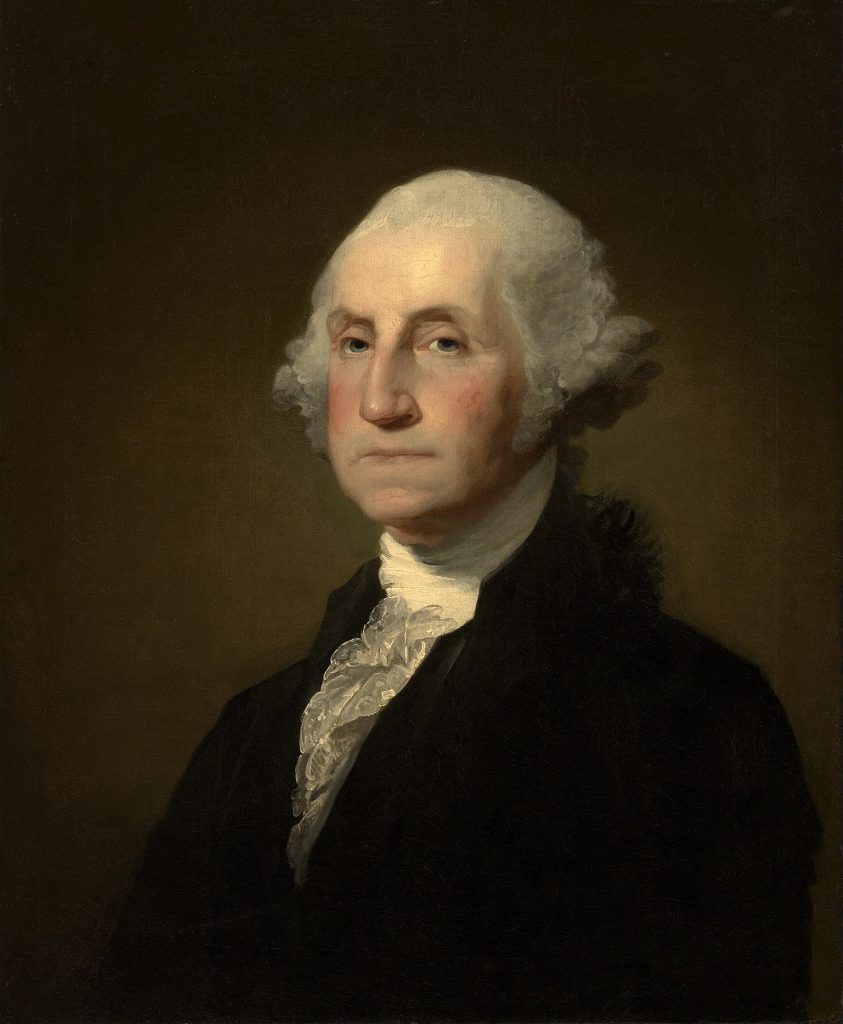
George Washington (Wiki image).
George Washington’s presence at the 1787 Constitutional Convention in Philadelphia was the indispensable gravitational force that prevented the fragile American experiment from collapsing. Though he spoke only once during the formal debates, his silent authority and immense personal prestige gave the radical convention the political legitimacy needed to replace the failing Articles of Confederation.
The Reluctant Delegate: Obstacles to the Convention
Washington’s journey to the presiding chair was fraught with personal and political risks. Following the Revolutionary War, he had consciously emulated Cincinnatus, the Roman general who surrendered his supreme power to return to his farm.
-
Reputational Risk: By formally resigning his military commission in 1783, he risked his carefully curated legacy by returning to public life. If the convention failed to produce a viable government, Washington feared he would be blamed for the collapse.
-
The Threat of Anarchy: Washington was ultimately driven out of retirement by the outbreak of Shays’ Rebellion in Massachusetts (1786). The federal government’s inability to raise an army or fund itself convinced him that the nation was “fast verging to anarchy and confusion.”
-
Deep Factional Division: Once at the convention, Washington presided over a room violently divided by regional interests. He had to navigate the bitter hatred between large and small states (resolved by the Great Compromise), the explosive issue of slavery, and a pervasive, paranoid fear of creating a new monarchy.
Constitutional Leadership & Strategic Successes
Washington was unanimously elected President of the Convention on May 25, 1787. He led through presence, strict decorum, and behind-the-scenes diplomacy rather than floor debate.
| Leadership Action | Strategic Execution | Historical Success |
| Enforcing Absolute Secrecy | He strictly enforced a gag order on all 55 delegates. When a delegate carelessly dropped a confidential document, Washington sternly rebuked the room, threw the paper on the desk, and said he didn’t know who dropped it, but that such carelessness would ruin them. | The closed doors allowed delegates to change their minds, compromise, and speak freely without fear of public backlash in their home states. |
| Designing the Presidency | Washington sat silently while the delegates debated the powers of the Executive Branch. Because everyone in the room assumed Washington would be the first President, they felt comfortable vesting the office with substantial power. | The creation of a strong, single-person Executive branch (Article II) was only possible because the framers implicitly trusted Washington not to abuse it. |
| The Final Endorsement | On the final day of the convention, Washington broke his silence to support a minor change regarding representation, signaling his ultimate approval of the document. He then signed his name first. | Washington’s signature on the transmittal letter to Congress was the Federalists’ most powerful weapon; historians agree the Constitution would not have been ratified without his explicit endorsement. |
The Wisdom of the General
Washington approached the Constitution with immense pragmatism. He did not view it as a perfect, flawless document, but as the best compromise achievable under dire circumstances.
“I can foresee no evil greater than disunion.” — Washington’s driving philosophy leading into the convention.
“It is too probable that no plan we propose will be adopted. Perhaps another dreadful conflict is to be sustained. If, to please the people, we offer what we ourselves disapprove, how can we afterwards defend our work? Let us raise a standard to which the wise and honest can repair. The event is in the hand of God.” — Attributed to Washington during a tense moment before the convention officially opened.
“I do not expect the Constitution to last for more than 20 years.” — Washington’s private, highly pragmatic assessment, recognizing that the document was an experiment that would require future amendments.
Ultimately, Washington’s leadership at the Constitutional Convention was a triumph of character over rhetoric 🏛️🦅. By lending his unmatched reputation to a deeply controversial document, he helped ensure a unified national government, proving that a leader’s restraint and integrity could be as powerful as military victory 📜🇺🇸.
Benjamin Franklin, Pa., faced obstacles, successes, wisdom, and wit concerning the Constitution.
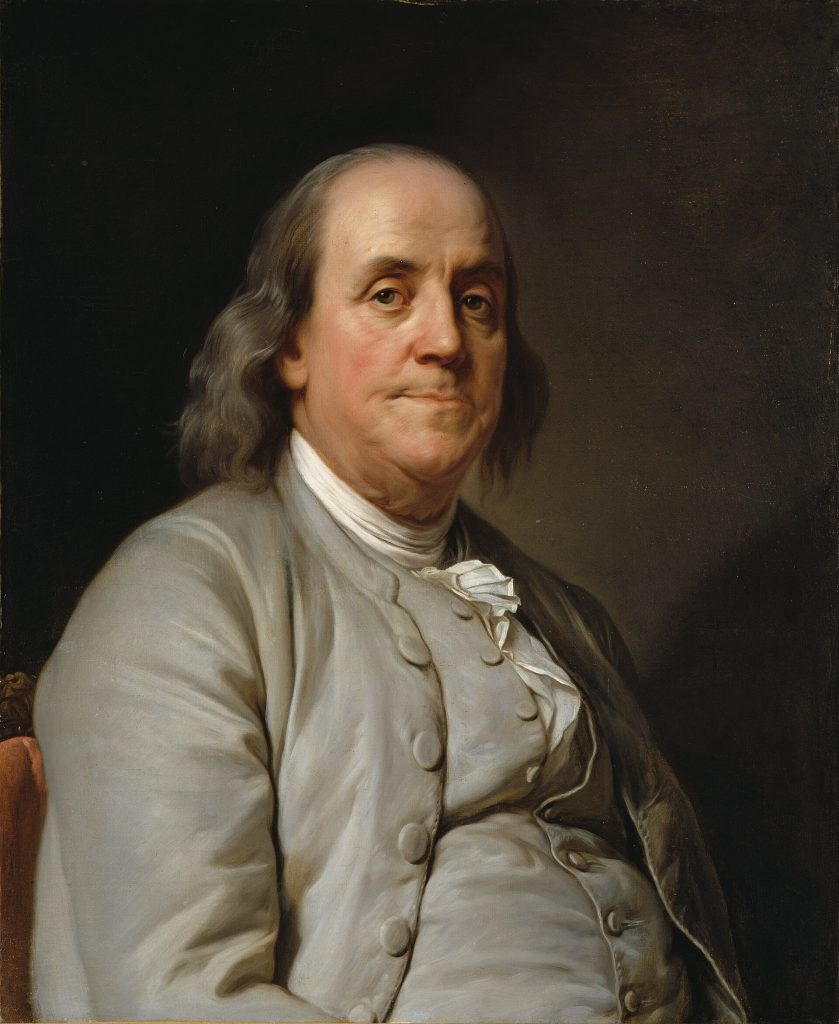
Benjamin Franklin (Wiki Image).
At 81, Benjamin Franklin was the senior statesman and the oldest delegate at the 1787 Constitutional Convention in Philadelphia. While George Washington gave the gathering its silent, imposing legitimacy, Franklin provided the diplomatic glue it needed. As the convention’s ultimate pragmatist and peacemaker, he used his immense global reputation, homespun wisdom, and sharp humor to keep the deeply fractured assembly from collapsing.
Obstacles: Physical Pain and Political Deadlock
-
Severe Physical Decline: Franklin suffered from debilitating gout and kidney stones. The pain was so intense that he could not walk the short distance from his home to Independence Hall. Instead, he was carried through the streets of Philadelphia in a glass-windowed sedan chair hoisted by four inmates from the local Walnut Street Jail.
-
Vocal Weakness: His voice was so frail that he rarely debated on the floor. Instead, he wrote his major speeches out on paper and had his fellow Pennsylvania delegate, James Wilson, read them aloud to the assembly.
-
The Moral Compromise of Slavery: As the President of the Pennsylvania Abolition Society, Franklin found the Constitution’s protections for slavery abhorrent. However, he faced the bleak political reality that forcing the abolition issue would cause the Southern states to walk out, destroying the fragile union before it even began. He compromised for the sake of the nation’s survival, though he famously submitted a formal petition to the First Congress to abolish slavery shortly before his death in 1790.
Strategic Successes: The Great Peacemaker
| Diplomatic Action | Strategic Execution | Historical Success |
| Brokering the Great Compromise | When the convention nearly dissolved over how states would be represented in Congress, Franklin was appointed to the Grand Committee. He heavily championed the ultimate solution: proportional representation based on population in the House, and equal representation in the Senate. | The “Connecticut Compromise” saved the convention from a fatal deadlock and forged the bicameral legislative structure that defines the US government today. |
| Cooling Explosive Tempers | During the most bitter, gridlocked days of late June, Franklin proposed that the convention open each session with a prayer, gently reminding the room that “God governs in the affairs of men.” | While the motion failed (partly because the convention had no funds to pay a chaplain), the sheer gravitas of Franklin’s plea shamed the delegates into behaving more civilly and refocusing on compromise. |
| Securing Unanimity | On the final day, several delegates stubbornly refused to sign the flawed document. Franklin proposed a brilliant parliamentary trick: signing the document not as individuals, but “by the unanimous consent of the States present.” | This clever wording let dissenting delegates sign their names to the parchment without formally endorsing every clause, allowing the framers to project a crucial, unified front to the American public. |
The Wisdom and Wit of Dr. Franklin
Franklin recognized that high-stakes political standoffs were often driven by pure ego. He consistently deployed self-deprecating humor and philosophical humility to disarm his colleagues and force them to look past their own pride.
“I confess that there are several parts of this constitution which I do not at present approve, but I am not sure I shall never approve them: For having lived long, I have experienced many instances of being obliged by better information… to change opinions even on important subjects… I consent, Sir, to this Constitution because I expect no better, and because I am not sure, that it is not the best.“
— Read on the final day, September 17, 1787, urging his fellow delegates to doubt their own infallibility and sign the document.
“I have often and often in the course of the Session… looked at that behind the President without being able to tell whether it was rising or setting: But now at length I have the happiness to know that it is a rising and not a setting Sun.“
— Franklin’s famous, deeply optimistic observation as the final delegates signed the document, looking at the half-sun motif carved into the back of George Washington’s presiding chair.
(In Howard Chandler Christy’s famous 1940 portrait, Scene at the Signing of the Constitution of the United States, Franklin is depicted exactly as this indispensable elder statesman—seated prominently in the center foreground with his cane, radiating the calm, pragmatic wisdom that ultimately held the room together.) 🏛️🌅📜
A.I. Madison, James, Va., faced obstacles, successes, wisdom, and The Federalist Papers concerning the Constitution.
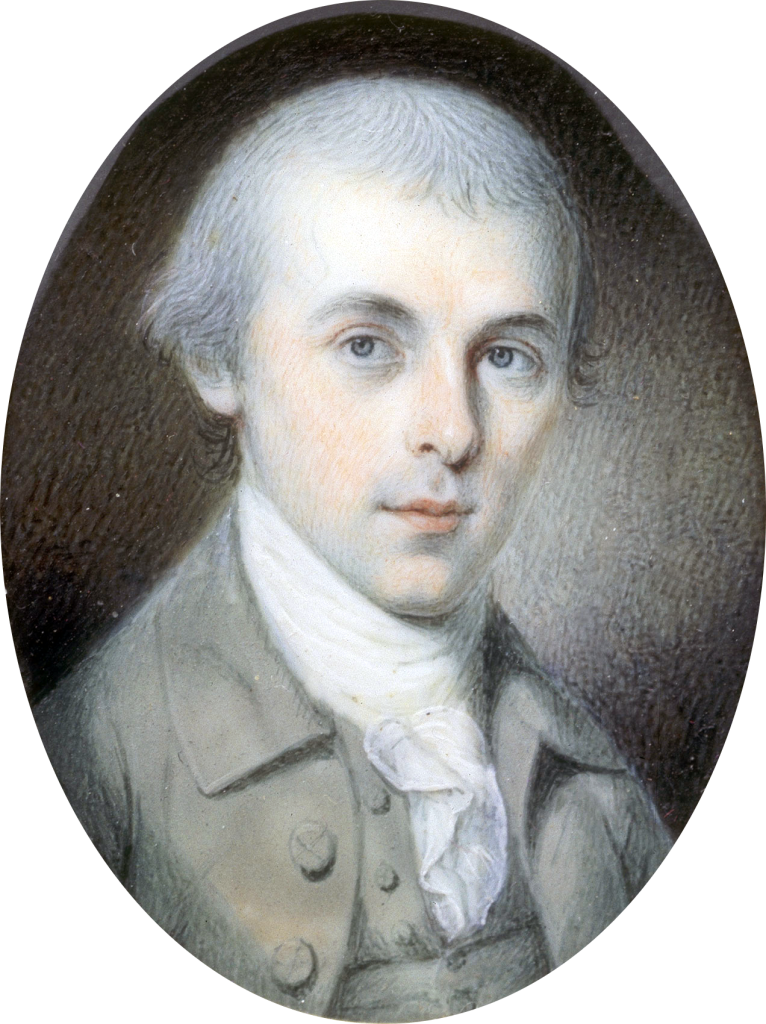
Madison’s portrait as a congressional delegate at age 32 (Wiki Image).
Standing just 5-foot-4 and weighing roughly 100 pounds, James Madison was physically the most unassuming delegate at the 1787 Constitutional Convention. Yet, as the document’s primary intellectual architect, he exerted a gravitational pull on the proceedings that rivaled George Washington’s. Armed with months of exhaustive research into the rise and fall of historical confederacies, Madison arrived in Philadelphia prepared to completely dismantle the failing Articles of Confederation and build a new national government from scratch.
Obstacles: Physical Frailty and Deep Disappointments
Madison’s path to becoming the “Father of the Constitution” was fraught with personal and political hurdles.
-
Physical Limitations: Madison suffered from chronic ill health, described by contemporaries as “epileptiform hysteria” or hypochondria, which left him prone to exhaustion and sudden collapses. Furthermore, his voice was so weak that delegates often had to lean in or ask him to speak up during heated floor debates.
-
The Sting of Defeat: Despite his title as the document’s father, Madison actually lost several of his most cherished proposals. He vehemently opposed the “Great Compromise” that gave states equal representation in the Senate, believing it violated democratic proportionality.
-
The Lost “National Veto”: Madison’s greatest heartbreak was the convention’s rejection of his proposal for a federal veto over all state laws. He left Philadelphia deeply depressed, privately fearing the new government was too weak to prevent the states from tearing the union apart.
-
The Virginia Gauntlet: Returning home, Madison faced the ultimate political obstacle: ratifying the Constitution in his home state against the fierce rhetorical firepower of Patrick Henry and George Mason, who viewed the document as a threat to liberty.
Strategic Successes: The Intellectual Architect
Despite his setbacks, Madison’s meticulous preparation let him control the convention’s overarching framework.
| Political Action | Strategic Execution | Historical Success |
| The Virginia Plan | Madison arrived in Philadelphia early and immediately drafted the “Virginia Plan,” a radical blueprint for a three-branch government. It was presented on the first day of debate. | By forcing the delegates to debate his comprehensive plan rather than merely amend the Articles of Confederation, Madison set the baseline agenda for the summer. |
| The Meticulous Record | Recognizing the gathering’s immense historical weight, Madison sat front and center, obsessively taking shorthand notes on almost every speech and debate, despite the toll it took on his health. | Published after his death, Madison’s Notes of Debates in the Federal Convention of 1787 remain the most complete and vital primary source of what actually happened behind the locked doors of Independence Hall. |
| Pivoting to the Bill of Rights | Initially, Madison opposed a Bill of Rights, arguing it was unnecessary and dangerous. However, to secure ratification and win his Congressional election, he flipped his stance and promised to draft one. | He personally drafted the amendments in the First Congress, securing the people’s liberties while brilliantly preventing the Anti-Federalists from using a second convention to destroy his new government. |
The Wisdom of The Federalist Papers
To secure ratification in the crucial state of New York, Madison teamed up with Alexander Hamilton and John Jay to write The Federalist Papers under the pseudonym “Publius.” Hamilton wrote most of the 85 essays, while Madison wrote 29, including the most philosophically profound and enduring entries.
Madison’s genius lay in his realistic, almost cynical understanding of human nature. He did not believe humans were inherently virtuous. Instead, he designed a system that used human ambition and selfishness as the very gears that would keep the government in check.
-
Federalist No. 10 (The Danger of Factions): Madison shattered the traditional political wisdom that a republic could only survive in a small territory. He argued that in a massive, sprawling republic, so many competing factions and special interests would emerge that none could gain a permanent majority to oppress the minority.
-
Federalist No. 51 (Checks and Balances): Madison explained how the separation of powers would prevent tyranny, arguing that the branches must be pitted against each other so that “ambition must be made to counteract ambition.”
“If men were angels, no government would be necessary. If angels were to govern men, neither external nor internal controls on government would be necessary. In framing a government which is to be administered by men over men, the great difficulty lies in this: you must first enable the government to control the governed; and in the next place oblige it to control itself.”
— Federalist No. 51 (1788)
“The accumulation of all powers, legislative, executive, and judiciary, in the same hands, whether of one, a few, or many, and whether hereditary, self-appointed, or elective, may justly be pronounced the very definition of tyranny.”
— Federalist No. 47 (1788)
Through a combination of relentless preparation, structural genius, and a profound understanding of human flaws, Madison engineered a constitutional framework designed not for perfect people, but for imperfect ones ⚖️🏛️📜.
A.I. Hamilton, Alexander, N.Y., faced obstacles, successes, wisdom, and The Federalist Papers concerning the Constitution.
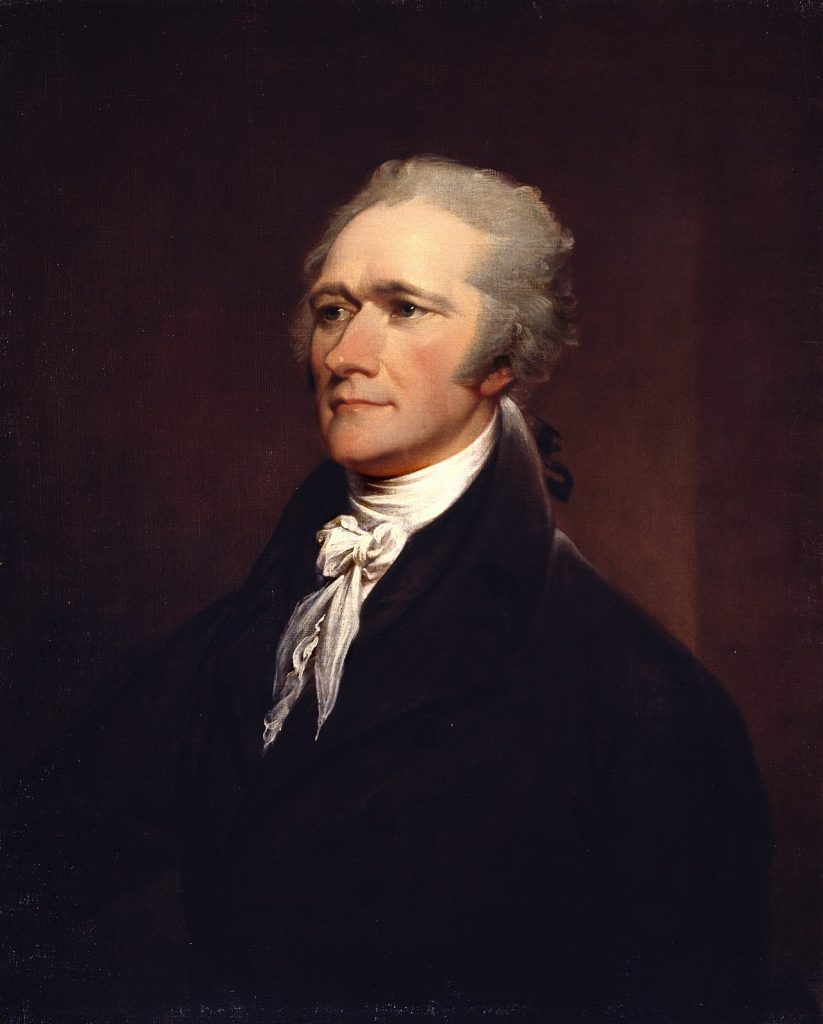
Alexander Hamilton (Wiki Image).
Brilliant, fiercely ambitious, and unabashedly elitist, Alexander Hamilton arrived at the 1787 Constitutional Convention as the most extreme nationalist in the room. While he is widely celebrated today as a Founding Father, his actual experience inside Independence Hall was deeply frustrating. Hamilton envisioned a massive, centralized financial and military powerhouse that mirrored the British Empire, a vision that was far too radical for his fellow delegates.
Obstacles: Political Isolation and Radical Visions
Hamilton’s path at the convention was blocked by both his own extreme ideology and the hostile politics of his home state.
-
Outvoted by His Own State: The New York legislature intentionally paired Hamilton with two staunch Anti-Federalists, Robert Yates and John Lansing Jr. Because voting was done by state delegations, Yates and Lansing consistently outvoted Hamilton, neutralizing his voice. When they walked out in disgust in July, New York lost its quorum, leaving Hamilton completely unable to cast an official vote for the rest of the summer.
-
The Infamous 6-Hour Speech: On June 18, Hamilton delivered a massive, day-long marathon speech outlining his ideal government: a President and Senate elected to serve for life (on “good behavior”), and state governors appointed by the national government. The delegates were stunned. While they respected his intellect, they dismissed his plan as too close to a British monarchy and ignored it.
-
Personal Alienation: Hamilton’s unapologetic arrogance, combined with his open admiration for the British system of government, alienated him from the more pragmatic, state-focused delegates. He actually left the convention for several weeks in deep frustration before returning for the final push.
Strategic Successes: The Relentless Advocate
Despite his impotence on the convention floor, Hamilton was the indispensable engine behind the creation and ratification of the Constitution.
| Political Action | Strategic Execution | Historical Success |
| The Annapolis Convention (1786) | A year prior to Philadelphia, Hamilton drafted the fiery resolution at the poorly attended Annapolis Convention that officially called for a grand convention to overhaul the federal government. | He essentially forced the 1787 Constitutional Convention into existence, using the impending collapse of the national economy to compel the states to attend. |
| The Final Plea for Unity | On September 17, despite believing the Constitution was far too weak, Hamilton urged every delegate to sign it, stating: “No man’s ideas were more remote from the plan than my own… but is it possible to deliberate between anarchy and Convulsion on one side, and the chance of good to be expected from the plan on the other?” | His passionate endorsement helped persuade hesitant delegates to sign, allowing the document to be presented to the nation with an aura of unified support. |
| The Poughkeepsie Miracle | At the New York Ratifying Convention in 1788, Hamilton faced a massive, hostile Anti-Federalist majority (46 to 19). Through weeks of relentless, exhausting debate and the sheer force of his intellect, he flipped enough votes to win. | Securing New York’s ratification (by a razor-thin 30-27 margin) was critical; without the geographical and economic powerhouse of New York, the new United States would have been physically split in half and doomed to fail. |
The Wisdom of The Federalist Papers
Hamilton’s greatest contribution to the Constitution occurred after the convention ended. To sway the hostile New York public, he conceived, organized, and co-authored The Federalist Papers under the pseudonym “Publius.” Operating at a frantic pace, Hamilton wrote 51 of the 85 essays himself (with James Madison writing 29 and John Jay writing 5).
While Madison’s essays focused on the philosophical nature of republics and factions, Hamilton’s essays were deeply practical, focusing on executive power, taxation, the military, and the judiciary. He understood that a government without the absolute power to enforce its laws and fund its treasury was merely a treaty, not a nation.
-
Federalist No. 70 (The Executive): Hamilton argued forcefully against a ruling committee or a weak executive. He insisted that a single, powerful President was essential for national survival, arguing that a strong executive provides accountability, decisiveness, and secrecy in emergencies.
-
Federalist No. 78 (The Judiciary): Hamilton laid the intellectual groundwork for “judicial review.” He argued that the Supreme Court must be completely independent to strike down unconstitutional laws, famously noting that the judiciary is the “least dangerous” branch because it controls neither the “sword” nor the “purse.”
“Energy in the Executive is a leading character in the definition of good government. It is essential to the protection of the community against foreign attacks; it is not less essential to the steady administration of the laws… A feeble Executive implies a feeble execution of the government. A feeble execution is but another phrase for a bad execution; and a government ill executed, whatever it may be in theory, must be, in practice, a bad government.”
— Federalist No. 70 (1788)
“The judiciary, on the contrary, has no influence over either the sword or the purse; no direction either of the strength or of the wealth of the society; and can take no active resolution whatever. It may truly be said to have neither FORCE nor WILL, but merely judgment.”
— Federalist No. 78 (1788)
Hamilton approached the Constitution not as a sacred text of perfect liberty, but as a robust engine for national power 🏛️⚔️📈. Through The Federalist Papers, he provided the definitive user manual for how that engine was designed to run.
A.I. Morris, Gouverneur, Pa., faced obstacles, successes, wisdom, and wit concerning the Constitution.
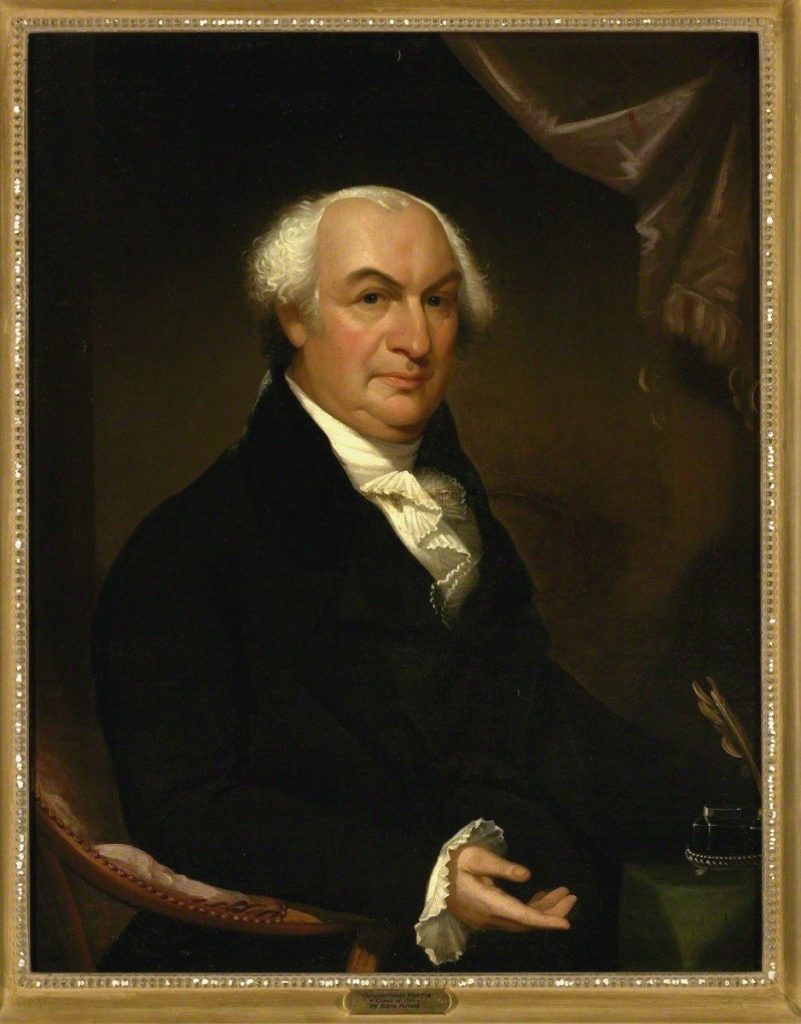
Gouverneur Morris (Wiki Image).
Gouverneur Morris of Pennsylvania faced the following obstacles, successes, wisdom, and wit concerning the Constitution:
Obstacles
- Opposition from delegates who wanted to create a weaker central government. Morris was a strong supporter of a strong central government, but he also believed in the importance of states’ rights. He had to balance these competing interests in order to build consensus among the delegates.
- Opposition from delegates who wanted to preserve the power of the states. Some delegates feared that a strong central government would pose a threat to the states. Morris had to convince these delegates that the Constitution would protect the rights of the states.
- Opposition from delegates who wanted to strengthen the institution of slavery. Morris was a slave owner, but he also had reservations about slavery. He had to balance his personal views with the political realities of the time.
Successes
- Played a key role in the drafting and ratification of the Constitution. Morris was a respected and influential delegate to the Constitutional Convention. He helped to draft several important provisions of the Constitution, including the Preamble, the Supremacy Clause, and the Elastic Clause. He also played a key role in securing the ratification of the Constitution in Pennsylvania.
- Helped to create a government that is both strong and balanced. The Constitution that Morris helped to draft has served as the foundation of the United States government for over 200 years. It is a government that is both strong enough to govern effectively and balanced enough to protect the rights of individuals and states.
- Known for his wit and wisdom. Morris was a brilliant and witty man. He was known for his ability to see both sides of an issue and to find creative solutions to problems. His wit and wisdom were invaluable during the Constitutional Convention.
Wisdom
- Understood the importance of compromise. Morris knew that compromise was essential to creating a Constitution acceptable to all the states. He was willing to compromise his own views to reach a consensus among the delegates.
- Believed that the Constitution should be a living document. Morris understood that the Constitution would need to be amended over time to meet the country’s changing needs. He supported the inclusion of an amendment process in the Constitution.
- Was a strong advocate for the rule of law and for the rights of individuals. Morris believed that the rule of law was essential for a just and orderly society. He also believed that the rights of individuals should be protected by the government.
Wit
Morris was known for his sharp wit and his ability to make others laugh. He often used humor to defuse tensions during the Constitutional Convention. For example, when one delegate proposed that the president should be given the power to declare war, Morris replied: “Then we shall have a perpetual war, for a prince will always be making war if he has the power.”
Morris’s wit and wisdom helped to make him one of the most influential delegates to the Constitutional Convention. His contributions to the Constitution are significant and enduring.
Conclusion
Gouverneur Morris was a complex and fascinating figure. He was a slave owner, but he also had reservations about slavery. He was a strong supporter of the Constitution, but he also had concerns about the central government’s power.
Despite his flaws, Morris was a man of great wisdom and wit. His contributions to the United States government are significant and enduring. He played a key role in drafting and ratifying the Constitution, and he helped create a government that was both strong and balanced.
Morris’s legacy is complex, but he is undoubtedly one of the most important figures in American history.
A.I. Morris, Robert, Pa., faced obstacles, successes, wisdom, and financial concerns regarding the Constitution.
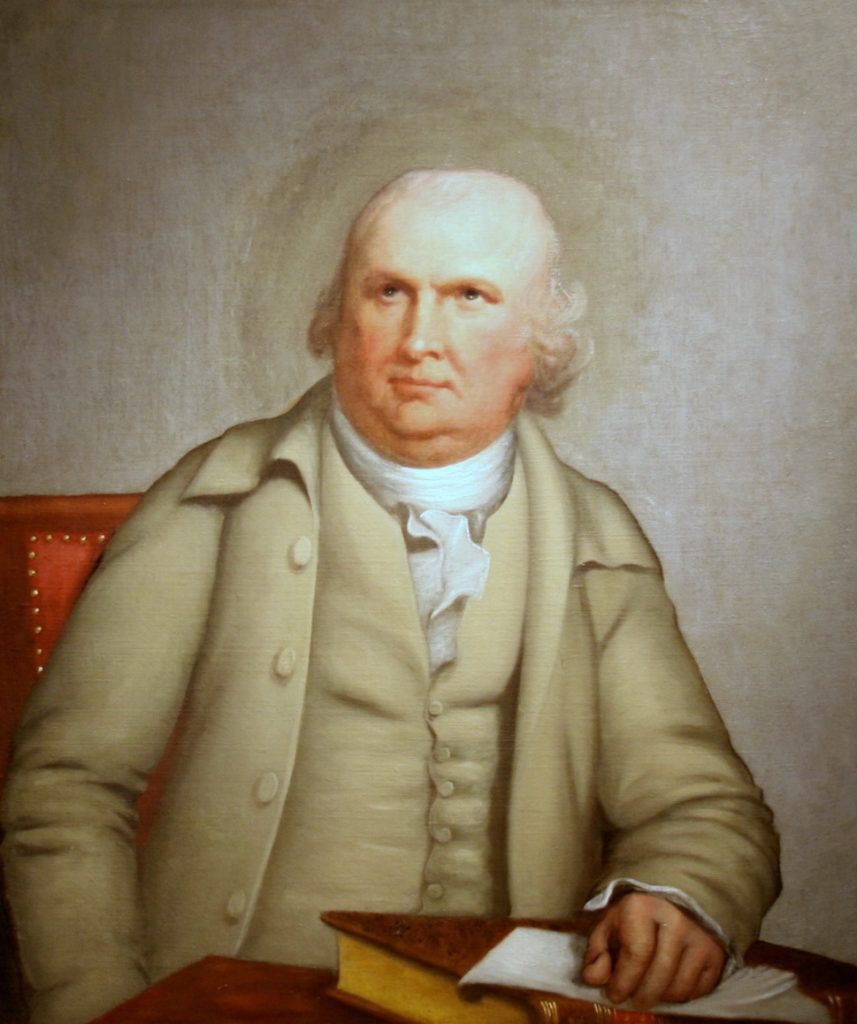
Robert Morris (Wiki Image).
Robert Morris of Pennsylvania faced the following obstacles, successes, wisdom, and financing concerning the Constitution:
Obstacles
- Opposition from delegates who wanted to create a weaker central government. Morris was a strong supporter of a strong central government, but he also believed in the importance of states’ rights. He had to balance these competing interests in order to build consensus among the delegates.
- Opposition from delegates who wanted to preserve the power of the states. Some delegates feared that a strong central government would threaten the states. Morris had to convince these delegates that the Constitution would protect the rights of the states.
- Opposition from delegates who wanted to strengthen the institution of slavery. Morris was a slave owner, but he also had reservations about slavery. He had to balance his personal views with the political realities of the time.
- Opposition from delegates who did not trust him due to his financial dealings. Morris was a successful financier, but he had also been accused of financial impropriety. He had to overcome these accusations to gain the delegates’ trust.
Successes
- Played a key role in the drafting and ratification of the Constitution. Morris was a respected and influential delegate to the Constitutional Convention. He helped to draft several important provisions of the Constitution, including the Taxing and Spending Clause and the Commerce Clause. He also played a key role in securing the ratification of the Constitution in Pennsylvania.
- Helped to create a government that was both strong and balanced. The Constitution that Morris helped to draft has served as the foundation of the United States government for over 200 years. It is a government that is both strong enough to govern effectively and balanced enough to protect the rights of individuals and states.
- Financed the American Revolution. Morris used his financial skills to finance the American Revolution. He raised money from both domestic and foreign sources, and he also helped to establish the Bank of North America, which provided financial support for the war effort.
Wisdom
- Understood the importance of compromise. Morris knew that compromise was essential to creating a Constitution acceptable to all the states. He was willing to compromise his own views to reach consensus among the delegates.
- Believed that the Constitution should be a living document. Morris understood that the Constitution would need to be amended over time to meet the country’s changing needs. He supported the inclusion of an amendment process in the Constitution.
- Was a strong advocate for the rule of law and for the rights of individuals. Morris believed that the rule of law was essential for a just and orderly society. He also believed that the rights of individuals should be protected by the government.
Financier
Morris was a successful financier. He made a fortune in shipping and banking. He also served as the United States’ Superintendent of Finance from 1781 to 1784. In this role, he managed the country’s finances during the American Revolution.
Morris’s financial skills were essential to the success of the American Revolution. He raised money from both domestic and foreign sources and helped establish the Bank of North America, which provided financial support for the war effort.
Conclusion
Robert Morris was a complex and fascinating figure. He was a slave owner, but he also had reservations about slavery. He was a strong supporter of the Constitution, but he also had concerns about the central government’s power.
Despite his flaws, Morris was a man of great wisdom and financial expertise. His contributions to the United States government are significant and enduring. He played a key role in drafting and ratifying the Constitution, and he helped create a government that was both strong and balanced. He also financed the American Revolution, which was essential to the country’s success.
Morris’s legacy is complex, but he is undoubtedly one of the most important figures in American history.
A.I. Wilson, James, PA., faced obstacles, successes, and wisdom concerning the Constitution. He led the government in the past and will lead it in the future.
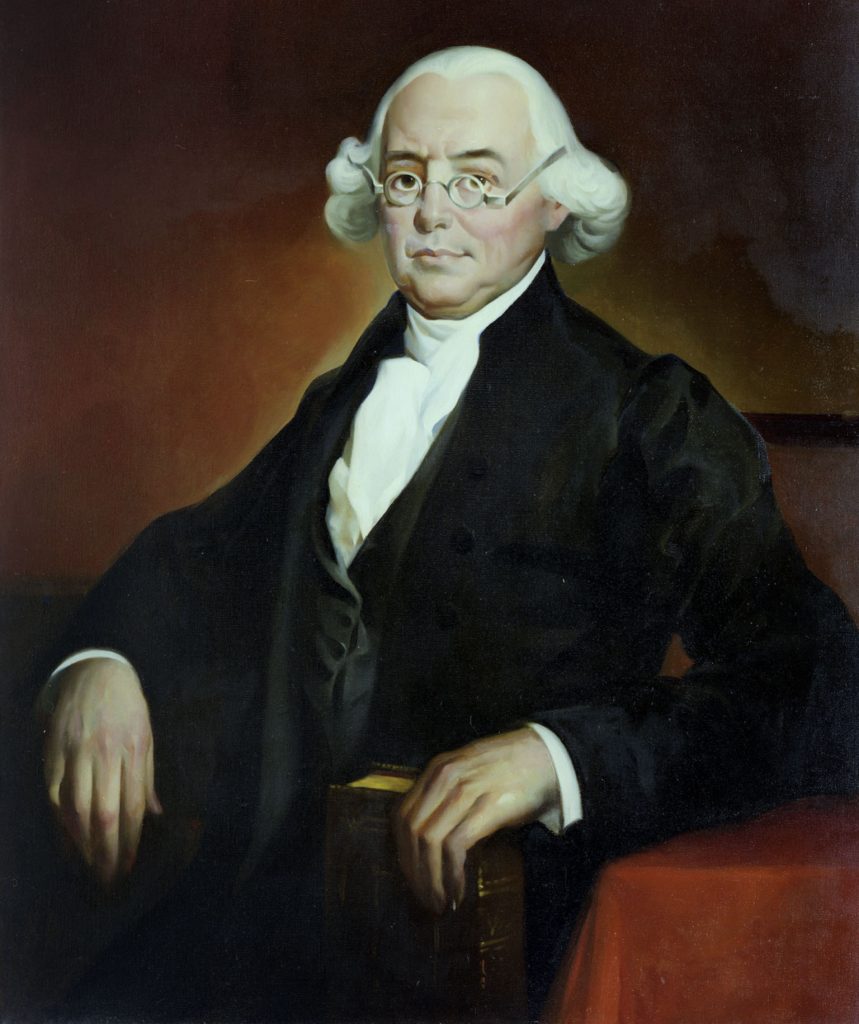
James Wilson (Wiki Image).
James Wilson of Pennsylvania faced the following obstacles, successes, and wisdom concerning the Constitution:
Obstacles
- Opposition from delegates who wanted to create a weaker central government. Wilson was a strong supporter of a strong central government, but he also believed in the importance of states’ rights. He had to balance these competing interests in order to build consensus among the delegates.
- Opposition from delegates who wanted to preserve the power of the states. Some delegates feared that a strong central government would pose a threat to the states. Wilson had to convince these delegates that the Constitution would protect the rights of the states.
- Opposition from delegates who wanted to strengthen the institution of slavery. Wilson was a slave owner, but he also had reservations about slavery. He had to balance his personal views with the political realities of the time.
Successes
- Played a key role in the drafting and ratification of the Constitution. Wilson was one of the most influential delegates to the Constitutional Convention. He helped to draft several important provisions of the Constitution, including the Supremacy Clause and the Commerce Clause. He also played a key role in securing the ratification of the Constitution in Pennsylvania.
- Helped to create a government that was both strong and balanced. The Constitution that Wilson helped to draft has served as the foundation of the United States government for over 200 years. It is a government that is both strong enough to govern effectively and balanced enough to protect the rights of individuals and states.
Wisdom
- Understood the importance of compromise. Wilson knew that compromise was essential to creating a Constitution that would be acceptable to all of the states. He was willing to compromise on his own views in order to reach a consensus among the delegates.
- Believed that the Constitution should be a living document. Wilson understood that the Constitution would need to be amended over time to meet the changing needs of the country. He supported the inclusion of an amendment process in the Constitution.
- Was a strong advocate for the rule of law and for the rights of individuals. Wilson believed that the rule of law was essential for a just and orderly society. He also believed that the rights of individuals should be protected by the government.
Led the government in the past and future
Wilson served as a Justice of the Supreme Court of the United States from 1789 to 1798. He is known for his landmark opinions in cases such as Chisholm v. Georgia, which established the principle of judicial review, and Hylton v. United States, which struck down a federal tax as unconstitutional.
Wilson’s work on the Constitution and his service on the Supreme Court had a profound impact on the development of the United States government. He is considered to be one of the Founding Fathers of the United States.
Conclusion
James Wilson was a complex and fascinating figure. He was a slave owner, but he also had reservations about slavery. He was a strong supporter of the Constitution, but he also had concerns about the power of the central government.
Despite his flaws, Wilson was a man of great wisdom and foresight. His contributions to the United States government are significant and enduring. He played a key role in drafting and ratifying the Constitution, and he helped create a government that was both strong and balanced. He also served as a Justice of the Supreme Court of the United States and wrote landmark opinions that have had a profound impact on the development of the country.
Wilson’s legacy is complex, but he is undoubtedly one of the most important figures in American history.
A.I. Pinckney, Chas. Cotesworth, S.C., faced obstacles, successes, and the issue of ⅗ slavery concerning the Constitution. He led the government in the past and will lead it in the future.
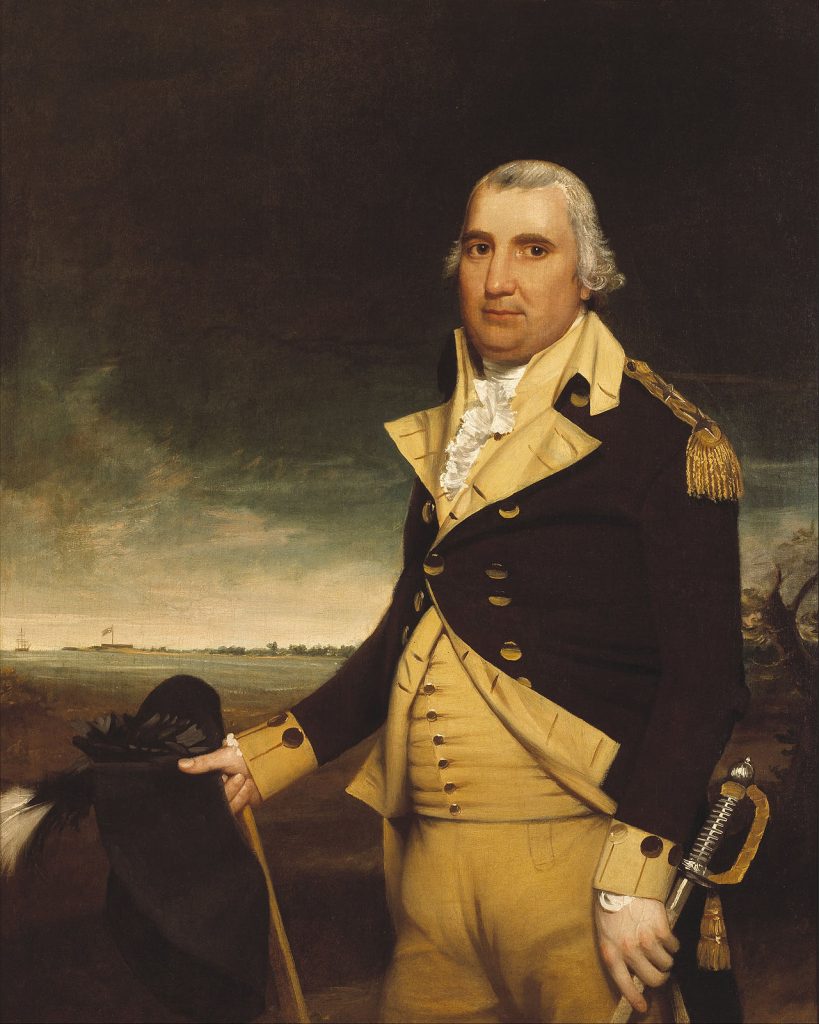
Charles Cotesworth Pinckney (Wiki Image).
Charles Cotesworth Pinckney was a Founding Father of the United States and a delegate to the Constitutional Convention of 1787. He was a strong supporter of a strong central government and was one of the authors of the Three-Fifths Compromise, which counted three-fifths of slaves for the purposes of representation and taxation.
Obstacles
Pinckney faced a number of obstacles in his political career. One obstacle was his support for slavery. Many Northerners opposed slavery, and Pinckney’s support for the Three-Fifths Compromise made him unpopular with some. Additionally, Pinckney was from South Carolina, which was one of the smallest states in the Union. This meant that South Carolina had less political power than other states, and Pinckney had to work harder to get his ideas heard.
Successes
Despite the obstacles he faced, Pinckney had a number of successes in his political career. He was a delegate to the Constitutional Convention and helped to draft the Constitution. He was also elected to the U.S. House of Representatives and served as the governor of South Carolina. Additionally, Pinckney was a successful diplomat and helped to negotiate treaties with France and Spain.
Three-Fifths Compromise
The Three-Fifths Compromise was a compromise between the Northern and Southern states on the issue of slavery. The Northern states wanted to count slaves as people for the purposes of representation, while the Southern states wanted to count slaves as property. The Three-Fifths Compromise counted three-fifths of slaves for the purposes of representation and taxation. This compromise was essential to the creation of the Constitution, as it allowed the Northern and Southern states to reach an agreement on the issue of slavery.
Leadership
Pinckney was a leader in both the government and the military. He served as the governor of South Carolina and as a delegate to the Constitutional Convention. He also served in the Continental Army during the American Revolution and was wounded in the Battle of Brandywine.
Conclusion
Charles Cotesworth Pinckney was a Founding Father of the United States who faced numerous obstacles but achieved notable successes in his political career. He was a strong supporter of a strong central government and was one of the authors of the Three-Fifths Compromise. He was also a leader in both the government and the military.
It is important to note that Pinckney’s support for slavery is a complex and controversial issue. Some people believe that he should be condemned for his support of slavery, while others believe that he was a product of his time and that his support for slavery should not overshadow his other accomplishments.
A.I. Pinckney, Chas., S.C., faced obstacles, successes, and wisdom concerning the Constitution. He led the government in the past and will lead it in the future.
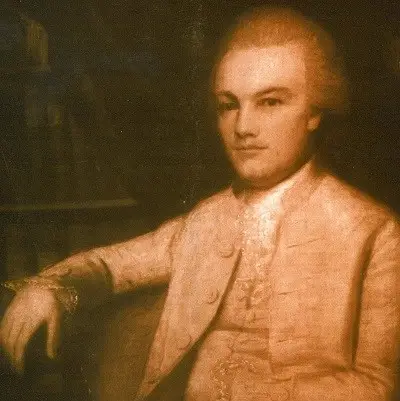
Charles Pinckney (Wiki Image).
Charles Pinckney of South Carolina faced the following obstacles, successes, and wisdom concerning the Constitution:
Obstacles:
- Opposition from delegates who wanted to create a weaker central government. Pinckney was a strong supporter of a strong central government, but he also believed in the importance of states’ rights. He had to balance these competing interests in order to build consensus among the delegates.
- Opposition from delegates who wanted to preserve the power of the states. Some delegates feared that a strong central government would pose a threat to the states. Pinckney had to convince these delegates that the Constitution would protect the rights of the states.
- Opposition from delegates who wanted to strengthen the institution of slavery. Pinckney was a slave owner, but he also had reservations about slavery. He had to balance his personal views with the political realities of the time.
Successes:
- Played a key role in the drafting and ratification of the Constitution. Pinckney was one of the most influential delegates to the Constitutional Convention. He helped to draft several important provisions of the Constitution, including the Supremacy Clause and the Commerce Clause. He also played a key role in securing the ratification of the Constitution in South Carolina.
- Helped to create a government that is both strong and balanced. The Constitution that Pinckney helped to draft has served as the foundation of the United States government for over 200 years. It is a government that is both strong enough to govern effectively and balanced enough to protect the rights of individuals and states.
Wisdom:
- Understood the importance of compromise. Pinckney knew that compromise was essential to creating a Constitution that would be acceptable to all of the states. He was willing to compromise on his own views in order to reach a consensus among the delegates.
- Believed that the Constitution should be a living document. Pinckney understood that the Constitution would need to be amended over time to meet the changing needs of the country. He supported the inclusion of an amendment process in the Constitution.
- Was a strong advocate for the rule of law and for the rights of individuals. Pinckney believed that the rule of law was essential for a just and orderly society. He also believed that the rights of individuals should be protected by the government.
Led the government in the past and future
Pinckney served as the Governor of South Carolina from 1796 to 1798 and again from 1806 to 1808. He also served as the Minister to France from 1799 to 1801.
Pinckney’s work on the Constitution and his service as Governor of South Carolina and Minister to France had a significant impact on the development of the United States government. He is considered to be one of the Founding Fathers of the United States.
Conclusion
Charles Pinckney was a complex and fascinating figure. He was a slave owner, but he also had reservations about slavery. He was a strong supporter of the Constitution, but he also had concerns about the power of the central government.
Despite his flaws, Pinckney was a man of great wisdom and foresight. His contributions to the United States government are significant and enduring. He played a key role in drafting and ratifying the Constitution, and he helped create a government that was both strong and balanced. He also served as the Governor of South Carolina and Minister to France, and his work in these positions had a significant impact on the development of the country.
Pinckney’s legacy is complex, but he is undoubtedly one of the most important figures in American history.
A.I. Rutledge, John, S.C., faced obstacles, successes, and ⅗ slavery concerning the Constitution. He led the government in the past and will lead it in the future.
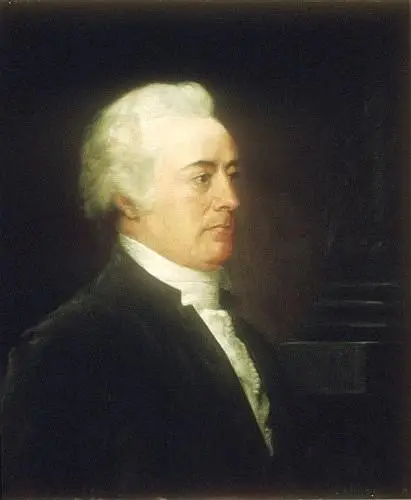
John Rutledge (Wiki Image).
John Rutledge of South Carolina faced the following obstacles, successes, and 3/5 slavery concerning the Constitution:
Obstacles:
- Opposition from delegates who wanted to create a weaker central government. Rutledge was a strong supporter of a strong central government, but he also believed in the importance of states’ rights. He had to balance these competing interests in order to build consensus among the delegates.
- Opposition from delegates who wanted to preserve the power of the states. Some delegates feared that a strong central government would pose a threat to the states. Rutledge had to convince these delegates that the Constitution would protect the rights of the states.
- Opposition from delegates who wanted to strengthen the institution of slavery. Rutledge was a slave owner, but he also had reservations about slavery. He had to balance his personal views with the political realities of the time.
Successes:
- Played a key role in the drafting and ratification of the Constitution. Rutledge was a respected and influential delegate to the Constitutional Convention. He helped to draft several important provisions of the Constitution, including the Commerce Clause, which gave Congress the power to regulate interstate commerce. He also played a key role in securing the ratification of the Constitution in South Carolina.
- Helped to create a government that was both strong and balanced. The Constitution that Rutledge helped to draft has served as the foundation of the United States government for over 200 years. It is a government that is both strong enough to govern effectively and balanced enough to protect the rights of individuals and states.
3/5 slavery
The 3/5 Compromise was a compromise reached at the Constitutional Convention that counted three-fifths of each state’s slave population for the purpose of determining the state’s total population for legislative representation and taxation. This compromise gave slave states more representatives and more presidential electoral votes than if slaves had not been counted.
Rutledge supported the 3/5 Compromise as a necessary compromise in order to secure the ratification of the Constitution. However, he also believed that slavery was morally wrong and that it should eventually be abolished.
Led the government in the past and future
Rutledge served as the first Chief Justice of the United States Supreme Court from 1789 to 1791. He also served as the Governor of South Carolina on two occasions.
Rutledge’s work on the Constitution and his service as Chief Justice of the Supreme Court had a profound impact on the development of the United States government. He helped to shape the way that the Constitution is interpreted and applied.
Conclusion
John Rutledge was a complex and controversial figure. He was a slave owner, but he also had reservations about slavery. He was a strong supporter of the Constitution, but he also had concerns about the power of the central government.
Despite his controversies, Rutledge was a man of great wisdom and foresight. His contributions to the United States government are significant and enduring.
Additional thoughts
It is important to note that the 3/5 Compromise was a flawed compromise. It gave slave states more power in the federal government, even though slaves were not considered citizens and had no legal rights. The 3/5 Compromise contributed to the growing sectional tensions that eventually led to the Civil War.
However, it is also important to remember that the Founding Fathers were trying to create a Constitution that would be acceptable to all of the states, including the slave states. They knew that they could not abolish slavery immediately, but they hoped that the Constitution would eventually lead to the abolition of slavery.
The 13th Amendment to the Constitution, which abolished slavery, was ratified in 1865. This was a major victory for the forces of freedom and justice.
The legacy of John Rutledge is a complex one. He was a Founding Father who played a key role in the drafting and ratification of the Constitution. He was also a slave owner. His work on the Constitution had a profound impact on the development of the United States government, but his ownership of slaves is a dark stain on his legacy.
It is up to each individual to decide how they view John Rutledge. He was a complex and flawed figure, but he was also a Founding Father who played a key role in shaping the United States government. His contributions to the Constitution are significant and enduring.
A.I. Butler, Pierce, S.C., faced obstacles, successes, and wisdom concerning the Constitution. He led the government in the past and future.
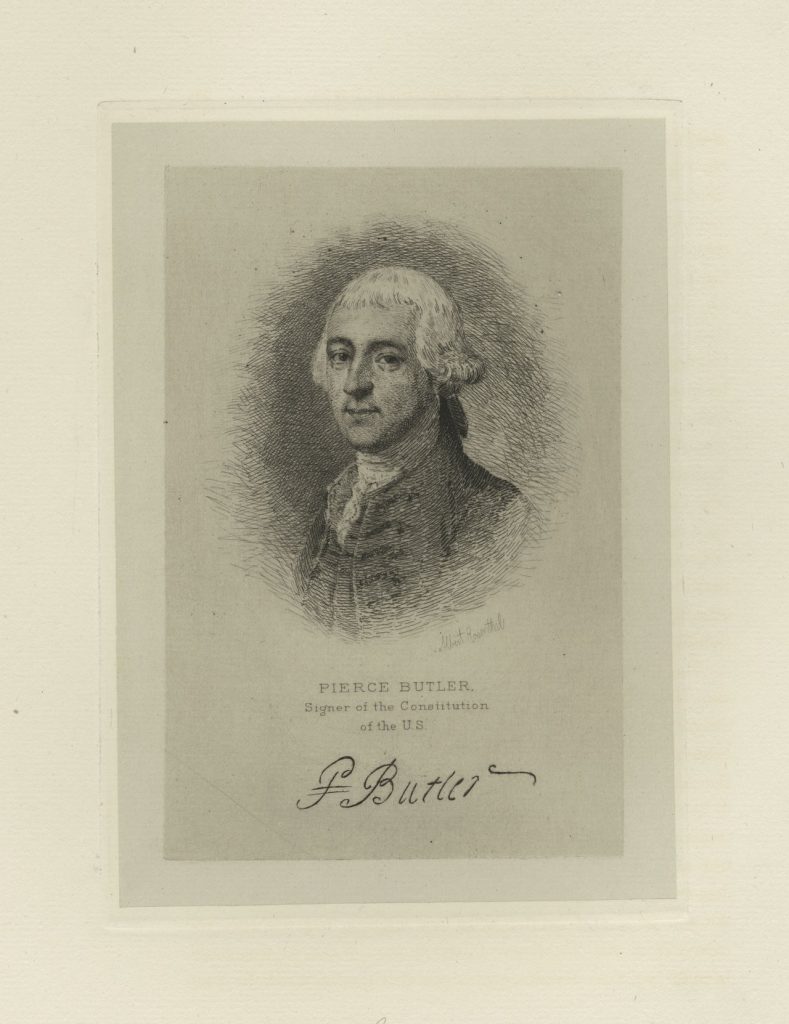
Pierce Butler (Wiki Image).
Pierce Butler of South Carolina faced the following obstacles, successes, and wisdom concerning the Constitution:
Obstacles
- Opposition from delegates who wanted to create a weaker central government. Butler was a strong supporter of a strong central government, but he also believed in the importance of states’ rights. He had to balance these competing interests in order to build consensus among the delegates.
- Opposition from delegates who wanted to preserve the power of the states. Some delegates feared that a strong central government would pose a threat to the states. Butler had to convince these delegates that the Constitution would protect the rights of the states.
- Opposition from delegates who wanted to strengthen the institution of slavery. Butler was a slave owner, but he also had reservations about slavery. He had to balance his personal views with the political realities of the time.
Successes
- Played a key role in the drafting and ratification of the Constitution. Butler was an influential delegate to the Constitutional Convention. He helped to draft several important provisions of the Constitution, including the Fugitive Slave Clause. He also played a key role in securing the ratification of the Constitution in South Carolina.
- Helped to create a government that is both strong and balanced. The Constitution that Butler helped to draft has served as the foundation of the United States government for over 200 years. It is a government that is both strong enough to govern effectively and balanced enough to protect the rights of individuals and states.
Wisdom
- Understood the importance of compromise. Butler knew that compromise was essential to creating a Constitution that would be acceptable to all of the states. He was willing to compromise on his own views in order to reach a consensus among the delegates.
- Believed that the Constitution should be a living document. Butler understood that the Constitution would need to be amended over time to meet the changing needs of the country. He supported the inclusion of an amendment process in the Constitution.
- Was a strong advocate for the rule of law and for the rights of individuals. Butler believed that the rule of law was essential for a just and orderly society. He also believed that the rights of individuals should be protected by the government.
Led the government in the past and future
Butler served as a United States Senator from South Carolina from 1789 to 1796 and again from 1803 to 1804. He also served as a Justice of the South Carolina Supreme Court from 1797 to 1803.
Butler’s work on the Constitution and his service as a United States Senator and Justice of the South Carolina Supreme Court had a significant impact on the development of the United States government. He is considered to be one of the Founding Fathers of the United States.
Conclusion
Pierce Butler was a complex and fascinating figure. He was a slave owner, but he also had reservations about slavery. He was a strong supporter of the Constitution, but he also had concerns about the power of the central government.
Despite his flaws, Butler was a man of great wisdom and foresight. His contributions to the United States government are significant and enduring. He played a key role in the drafting and ratification of the Constitution, and he helped to create a government that was both strong and balanced. He also served as a United States Senator and Justice of the South Carolina Supreme Court, and his work in these positions had a significant impact on the development of the country.
Butler’s legacy is a complex one, but he is undoubtedly one of the most important figures in American history.
A.I. Sherman, Roger, Conn., faced obstacles, successes, and wisdom concerning the Constitution. He led the government in the past and future.
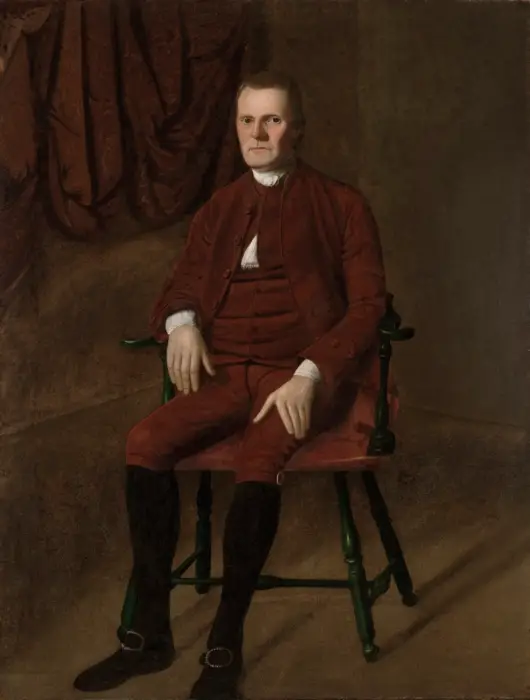
Roger Sherman (Wiki Image).
Roger Sherman of Connecticut faced the following obstacles, successes, and wisdom concerning the Constitution:
Obstacles
- Opposition from delegates who wanted to create a weaker central government. Sherman was a strong supporter of a strong central government, but he also believed in the importance of states’ rights. He had to balance these competing interests in order to build consensus among the delegates.
- Opposition from delegates who wanted to preserve the power of the states. Some delegates feared that a strong central government would pose a threat to the states. Sherman had to convince these delegates that the Constitution would protect the rights of the states.
- Opposition from delegates who wanted to strengthen the institution of slavery. Sherman was a slave owner, but he also had reservations about slavery. He had to balance his personal views with the political realities of the time.
Successes
- Played a key role in the drafting and ratification of the Constitution. Sherman was one of the most influential delegates to the Constitutional Convention. He helped to draft several important provisions of the Constitution, including the Commerce Clause and the Taxing and Spending Clause. He also played a key role in securing the ratification of the Constitution in Connecticut.
- Helped to create a government that is both strong and balanced. The Constitution that Sherman helped to draft has served as the foundation of the United States government for over 200 years. It is a government that is both strong enough to govern effectively and balanced enough to protect the rights of individuals and states.
Wisdom
- Understood the importance of compromise. Sherman knew that compromise was essential to creating a Constitution that would be acceptable to all of the states. He was willing to compromise on his own views in order to reach a consensus among the delegates.
- Believed that the Constitution should be a living document. Sherman understood that the Constitution would need to be amended over time to meet the changing needs of the country. He supported the inclusion of an amendment process in the Constitution.
- Was a strong advocate for the rule of law and for the rights of individuals. Sherman believed that the rule of law was essential for a just and orderly society. He also believed that the rights of individuals should be protected by the government.
Led the government in the past and future
Sherman served as a member of the Continental Congress from 1774 to 1783. He also served as a United States Senator from Connecticut from 1789 to 1793 and again from 1795 to 1796. He also served as the Mayor of New Haven, Connecticut from 1784 to 1791.
Sherman’s work on the Constitution and his service as a member of the Continental Congress, United States Senator, and Mayor of New Haven had a significant impact on the development of the United States government. He is considered to be one of the Founding Fathers of the United States.
Conclusion
Roger Sherman was a complex and fascinating figure. He was a slave owner, but he also had reservations about slavery. He was a strong supporter of the Constitution, but he also had concerns about the power of the central government.
Despite his flaws, Sherman was a man of great wisdom and foresight. His contributions to the United States government are significant and enduring. He played a key role in the drafting and ratification of the Constitution, and he helped to create a government that was both strong and balanced. He also served as a member of the Continental Congress, United States Senator, and Mayor of New Haven, and his work in these positions had a significant impact on the development of the country.
Sherman’s legacy is a complex one, but he is undoubtedly one of the most important figures in American history.
A.I. Johnson, William Samuel, Conn., faced obstacles, successes, and wisdom concerning the Constitution. He led the government in the past and future.
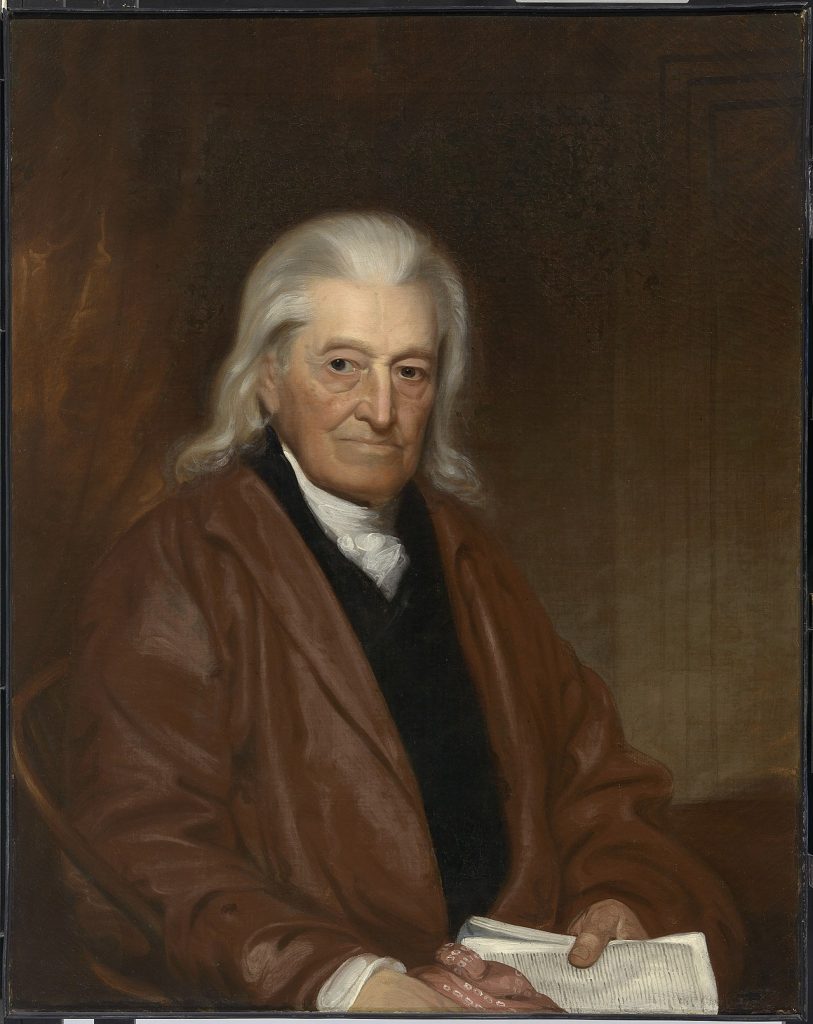
William Samuel Johnson (Wiki Image).
William Samuel Johnson of Connecticut faced the following obstacles, successes, and wisdom concerning the Constitution:
Obstacles
- Opposition from delegates who wanted to create a weaker central government. Johnson was a strong supporter of a strong central government, but he also believed in the importance of states’ rights. He had to balance these competing interests in order to build consensus among the delegates.
- Opposition from delegates who wanted to preserve the power of the states. Some delegates feared that a strong central government would pose a threat to the states. Johnson had to convince these delegates that the Constitution would protect the rights of the states.
- Opposition from delegates who wanted to strengthen the institution of slavery. Johnson was a slave owner, but he also had reservations about slavery. He had to balance his personal views with the political realities of the time.
Successes
- Played a key role in the drafting and ratification of the Constitution. Johnson was one of the most influential delegates to the Constitutional Convention. He helped to draft several important provisions of the Constitution, including the Supremacy Clause and the Commerce Clause. He also played a key role in securing the ratification of the Constitution in Connecticut.
- Helped to create a government that is both strong and balanced. The Constitution that Johnson helped to draft has served as the foundation of the United States government for over 200 years. It is a government that is both strong enough to govern effectively and balanced enough to protect the rights of individuals and states.
Wisdom
- Understood the importance of compromise. Johnson knew that compromise was essential to creating a Constitution that would be acceptable to all of the states. He was willing to compromise on his own views in order to reach a consensus among the delegates.
- Believed that the Constitution should be a living document. Johnson understood that the Constitution would need to be amended over time to meet the changing needs of the country. He supported the inclusion of an amendment process in the Constitution.
- Was a strong advocate for the rule of law and for the rights of individuals. Johnson believed that the rule of law was essential for a just and orderly society. He also believed that the rights of individuals should be protected by the government.
Led the government in the past and future
Johnson served as a United States Senator from Connecticut from 1789 to 1791. He also served as the president of Columbia College (now Columbia University) from 1787 to 1800.
Johnson’s work on the Constitution and his service as a United States Senator and president of Columbia College had a significant impact on the development of the United States government and education. He is considered to be one of the Founding Fathers of the United States.
Conclusion
William Samuel Johnson was a complex and fascinating figure. He was a slave owner, but he also had reservations about slavery. He was a strong supporter of the Constitution, but he also had concerns about the power of the central government.
Despite his flaws, Johnson was a man of great wisdom and foresight. His contributions to the United States government and education are significant and enduring. He played a key role in the drafting and ratification of the Constitution, and he helped to create a government that was both strong and balanced. He also served as a United States Senator and president of Columbia College, and his work in these positions had a significant impact on the development of the country.
Johnson’s legacy is a complex one, but he is undoubtedly one of the most important figures in American history.
A.I. McHenry, James, Md., faced obstacles, successes, and wisdom concerning the Constitution. He led the government in the past and future.
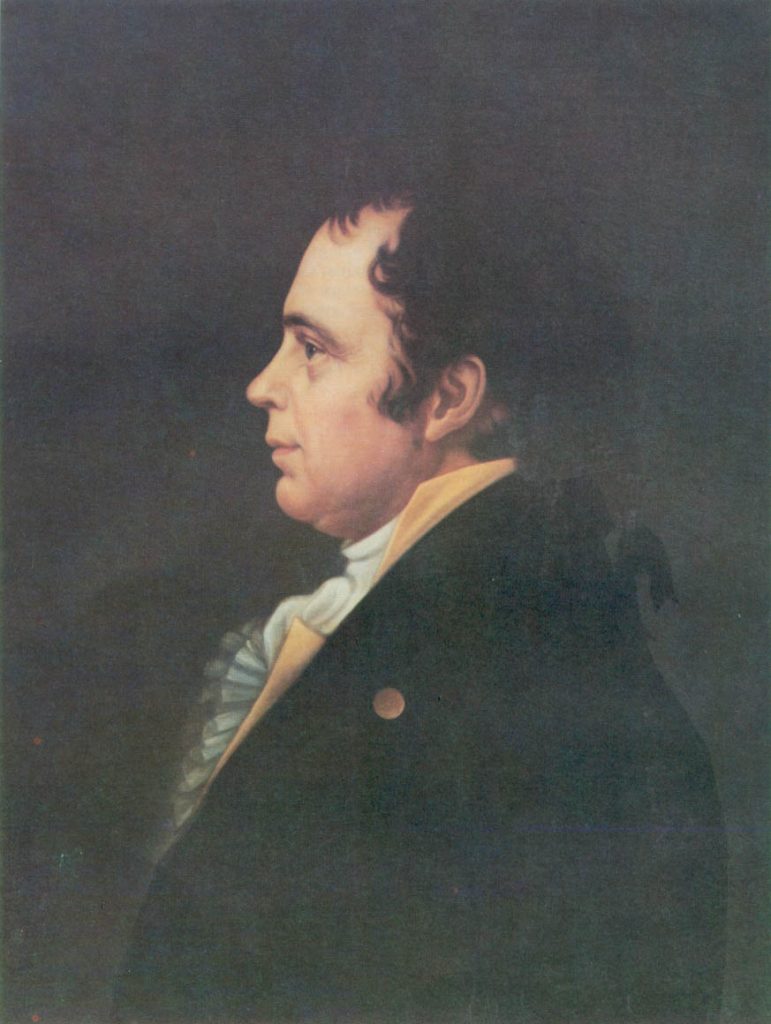
James McHenry (Wiki Image).
James McHenry of Maryland faced the following obstacles, successes, and wisdom concerning the Constitution:
Obstacles
- Opposition from delegates who wanted to create a weaker central government. McHenry was a strong supporter of a strong central government, but he also believed in the importance of states’ rights. He had to balance these competing interests in order to build consensus among the delegates.
- Opposition from delegates who wanted to preserve the power of the states. Some delegates feared that a strong central government would pose a threat to the states. McHenry had to convince these delegates that the Constitution would protect the rights of the states.
- Opposition from delegates who wanted to strengthen the institution of slavery. McHenry was a slave owner, but he also had reservations about slavery. He had to balance his personal views with the political realities of the time.
Successes
- Played a key role in the drafting and ratification of the Constitution. McHenry was one of the most influential delegates to the Constitutional Convention. He helped to draft several important provisions of the Constitution, including the Supremacy Clause and the Commerce Clause. He also played a key role in securing the ratification of the Constitution in Maryland.
- Helped to create a government that is both strong and balanced. The Constitution that McHenry helped to draft has served as the foundation of the United States government for over 200 years. It is a government that is both strong enough to govern effectively and balanced enough to protect the rights of individuals and states.
Wisdom
- Understood the importance of compromise. McHenry knew that compromise was essential to creating a Constitution that would be acceptable to all of the states. He was willing to compromise on his own views in order to reach a consensus among the delegates.
- Believed that the Constitution should be a living document. McHenry understood that the Constitution would need to be amended over time to meet the changing needs of the country. He supported the inclusion of an amendment process in the Constitution.
- Was a strong advocate for the rule of law and for the rights of individuals. McHenry believed that the rule of law was essential for a just and orderly society. He also believed that the rights of individuals should be protected by the government.
Led the government in the past and future
McHenry served as the third United States Secretary of War from 1796 to 1800. He was responsible for overseeing the development of the United States Army and Navy. He also played a key role in the response to the XYZ Affair, a diplomatic crisis with France in 1797.
McHenry’s work on the Constitution and his service as Secretary of War had a significant impact on the development of the United States government. He is considered to be one of the Founding Fathers of the United States.
Conclusion
James McHenry was a complex and fascinating figure. He was a slave owner, but he also had reservations about slavery. He was a strong supporter of the Constitution, but he also had concerns about the power of the central government.
Despite his flaws, McHenry was a man of great wisdom and foresight. His contributions to the United States government are significant and enduring. He played a key role in the drafting and ratification of the Constitution, and he helped to create a government that was both strong and balanced. He also served as Secretary of War and played a key role in the development of the United States Army and Navy.
McHenry’s legacy is a complex one, but he is undoubtedly one of the most important figures in American history.
A.I. Read, George, Del., faced obstacles, successes, and wisdom concerning the Constitution. He led the government in the past and future.
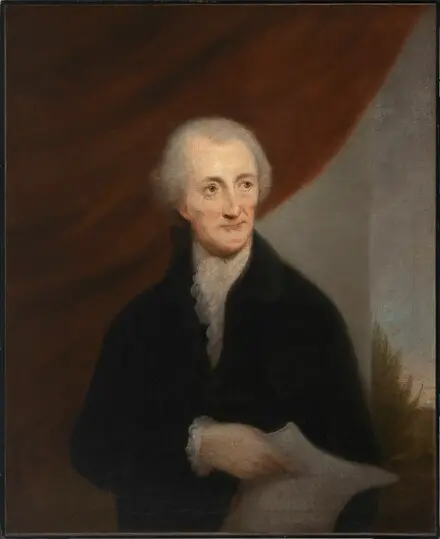
George Read (Wiki Image).
George Read of Delaware faced the following obstacles, successes, and wisdom concerning the Constitution:
Obstacles
- Opposition from delegates who wanted to create a weaker central government. Read was a strong supporter of a strong central government, but he also believed in the importance of states’ rights. He had to balance these competing interests in order to build consensus among the delegates.
- Opposition from delegates who wanted to preserve the power of the states. Some delegates feared that a strong central government would pose a threat to the states. Read had to convince these delegates that the Constitution would protect the rights of the states.
- Opposition from delegates who wanted to strengthen the institution of slavery. Read was a slave owner, but he also had reservations about slavery. He had to balance his personal views with the political realities of the time.
Successes
- Played a key role in the drafting and ratification of the Constitution. Read was one of the most influential delegates to the Constitutional Convention. He helped to draft several important provisions of the Constitution, including the Supremacy Clause and the Judicial Branch. He also played a key role in securing the ratification of the Constitution in Delaware.
- Helped to create a government that is both strong and balanced. The Constitution that Read helped to draft has served as the foundation of the United States government for over 200 years. It is a government that is both strong enough to govern effectively and balanced enough to protect the rights of individuals and states.
- Served as a United States Senator from Delaware. Read served as a United States Senator from Delaware from 1789 to 1795. He was a strong advocate for the Constitution and for the principles of federalism.
Wisdom
- Understood the importance of compromise. Read knew that compromise was essential to creating a Constitution that would be acceptable to all of the states. He was willing to compromise on his own views in order to reach a consensus among the delegates.
- Believed that the Constitution should be a living document. Read understood that the Constitution would need to be amended over time to meet the changing needs of the country. He supported the inclusion of an amendment process in the Constitution.
- Was a strong advocate for the rule of law and for the rights of individuals. Read believed that the rule of law was essential for a just and orderly society. He also believed that the rights of individuals should be protected by the government.
Led the government in the past and future
Read served as a United States Senator from Delaware from 1789 to 1795. He was a strong advocate for the Constitution and for the principles of federalism.
Read’s work on the Constitution and his service as a United States Senator had a significant impact on the development of the United States government. He is considered to be one of the Founding Fathers of the United States.
Conclusion
George Read was a complex and fascinating figure. He was a slave owner, but he also had reservations about slavery. He was a strong supporter of the Constitution, but he also had concerns about the power of the central government.
Despite his flaws, Read was a man of great wisdom and foresight. His contributions to the United States government are significant and enduring. He played a key role in the drafting and ratification of the Constitution, and he helped to create a government that was both strong and balanced. He also served as a United States Senator and was a strong advocate for the Constitution and the principles of federalism.
Read’s legacy is a complex one, but he is undoubtedly one of the most important figures in American history.
In addition to his accomplishments as a Founding Father and United States Senator, Read also served as the Chief Justice of the Delaware Supreme Court from 1795 until his death in 1800. He was a respected jurist and a strong advocate for the rule of law.
Read is remembered as a man of great wisdom, integrity, and compassion. He was a dedicated public servant who made significant contributions to the development of the United States government.
A.I. Bassett, Richard, Del., faced obstacles, successes, and wisdom concerning the Constitution. He led the government in the past and future.
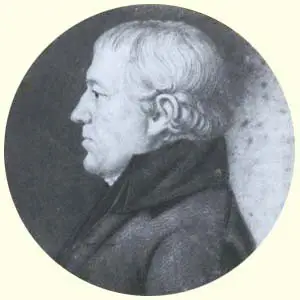
Richard Bassett (Wiki Image).
Richard Bassett of Delaware faced the following obstacles, successes, and wisdom concerning the Constitution:
Obstacles
- Opposition from delegates who wanted to create a weaker central government. Bassett was a strong supporter of a strong central government, but he also believed in the importance of states’ rights. He had to balance these competing interests in order to build consensus among the delegates.
- Opposition from delegates who wanted to preserve the power of the states. Some delegates feared that a strong central government would pose a threat to the states. Bassett had to convince these delegates that the Constitution would protect the rights of the states.
- Opposition from delegates who wanted to strengthen the institution of slavery. Bassett was a slave owner, but he also had reservations about slavery. He had to balance his personal views with the political realities of the time.
Successes
- Led the fight for ratification of the Constitution in Delaware. Delaware was the first state to ratify the Constitution, and Bassett was one of the leading figures in the ratification campaign. He gave a number of speeches and wrote articles in support of the Constitution, and he worked tirelessly to persuade his fellow Delawareans to vote for ratification.
- Played a key role in the drafting and ratification of the Constitution. Bassett was one of the most influential delegates to the Constitutional Convention. He helped to draft several important provisions of the Constitution, including the Supremacy Clause and the Commerce Clause. He also played a key role in securing the ratification of the Constitution in Delaware.
- Helped to create a government that is both strong and balanced. The Constitution that Bassett helped to draft has served as the foundation of the United States government for over 200 years. It is a government that is both strong enough to govern effectively and balanced enough to protect the rights of individuals and states.
Wisdom
- Understood the importance of compromise. Bassett knew that compromise was essential to creating a Constitution that would be acceptable to all of the states. He was willing to compromise on his own views in order to reach a consensus among the delegates.
- Believed that the Constitution should be a living document. Bassett understood that the Constitution would need to be amended over time to meet the changing needs of the country. He supported the inclusion of an amendment process in the Constitution.
- Was a strong advocate for the rule of law and for the rights of individuals. Bassett believed that the rule of law was essential for a just and orderly society. He also believed that the rights of individuals should be protected by the government.
Led the government in the past and future
Bassett served as the Governor of Delaware from 1799 to 1801. He was a popular and effective governor, and he is considered to be one of the most important figures in Delaware history.
Bassett’s work on the Constitution and his service as Governor of Delaware had a significant impact on the development of the United States government. He is considered to be one of the Founding Fathers of the United States.
Conclusion
Richard Bassett was a complex and fascinating figure. He was a slave owner, but he also had reservations about slavery. He was a strong supporter of the Constitution, but he also had concerns about the power of the central government.
Despite his flaws, Bassett was a man of great wisdom and foresight. His contributions to the United States government are significant and enduring. He led the fight for ratification of the Constitution in Delaware, helped draft several important provisions of the Constitution, and played a key role in creating a government that was both strong and balanced. He also served as Governor of Delaware and was a popular and effective leader.
Bassett’s legacy is a complex one, but he is undoubtedly one of the most important figures in American history.
A.I. Spaight, Richard Dobbs, N.C., faced obstacles, successes, and wisdom concerning the Constitution. He led the government in the past and future.
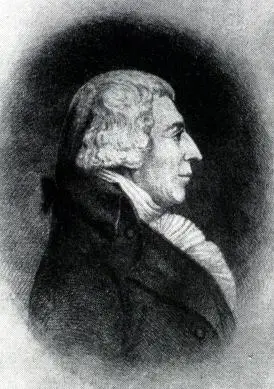
Richard Spaight (Wiki Image).
Richard Dobbs Spaight of North Carolina faced the following obstacles, successes, and wisdom concerning the Constitution:
Obstacles
- Opposition from delegates who wanted to create a weaker central government. Spaight was a strong supporter of a strong central government, but he also believed in the importance of states’ rights. He had to balance these competing interests in order to build consensus among the delegates.
- Opposition from delegates who wanted to preserve the power of the states. Some delegates feared that a strong central government would pose a threat to the states. Spaight had to convince these delegates that the Constitution would protect the rights of the states.
- Opposition from delegates who wanted to strengthen the institution of slavery. Spaight was a slave owner, but he also had reservations about slavery. He had to balance his personal views with the political realities of the time.
Successes
- Played a key role in the drafting and ratification of the Constitution. Spaight was one of the most influential delegates to the Constitutional Convention. He helped to draft several important provisions of the Constitution, including the Supremacy Clause and the Commerce Clause. He also played a key role in securing the ratification of the Constitution in North Carolina.
- Helped to create a government that is both strong and balanced. The Constitution that Spaight helped to draft has served as the foundation of the United States government for over 200 years. It is a government that is both strong enough to govern effectively and balanced enough to protect the rights of individuals and states.
- Served as the Governor of North Carolina from 1792 to 1795. Spaight was a popular and effective governor, and he is considered to be one of the most important figures in North Carolina history.
Wisdom
- Understood the importance of compromise. Spaight knew that compromise was essential to creating a Constitution that would be acceptable to all of the states. He was willing to compromise on his own views in order to reach a consensus among the delegates.
- Believed that the Constitution should be a living document. Spaight understood that the Constitution would need to be amended over time to meet the changing needs of the country. He supported the inclusion of an amendment process in the Constitution.
- Was a strong advocate for the rule of law and for the rights of individuals. Spaight believed that the rule of law was essential for a just and orderly society. He also believed that the rights of individuals should be protected by the government.
Led the government in the past and future
Spaight served as the Governor of North Carolina from 1792 to 1795. He was a popular and effective governor, and he is considered to be one of the most important figures in North Carolina history.
Spaight’s work on the Constitution and his service as Governor of North Carolina had a significant impact on the development of the United States government. He is considered to be one of the Founding Fathers of the United States.
Conclusion
Richard Dobbs Spaight was a complex and fascinating figure. He was a slave owner, but he also had reservations about slavery. He was a strong supporter of the Constitution, but he also had concerns about the power of the central government.
Despite his flaws, Spaight was a man of great wisdom and foresight. His contributions to the United States government are significant and enduring. He played a key role in the drafting and ratification of the Constitution, helped to create a government that was both strong and balanced and served as the popular and effective Governor of North Carolina.
Spaight’s legacy is a complex one, but he is undoubtedly one of the most important figures in American history.
A.I. Blount, William, N.C., faced obstacles, successes, and wisdom concerning the Constitution. He led the government in the past and future.
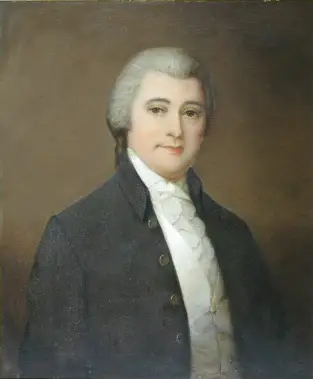
William Blount (Wiki Image).
William Blount of North Carolina faced the following obstacles, successes, and wisdom concerning the Constitution:
Obstacles
- Opposition from delegates who wanted to create a weaker central government. Blount was a strong supporter of a strong central government, but he also believed in the importance of states’ rights. He had to balance these competing interests in order to build consensus among the delegates.
- Opposition from delegates who wanted to preserve the power of the states. Some delegates feared that a strong central government would pose a threat to the states. Blount had to convince these delegates that the Constitution would protect the rights of the states.
- Opposition from delegates who wanted to strengthen the institution of slavery. Blount was a slave owner, but he also had reservations about slavery. He had to balance his personal views with the political realities of the time.
Successes
- Played a key role in the drafting and ratification of the Constitution. Blount was one of the most influential delegates to the Constitutional Convention. He helped to draft several important provisions of the Constitution, including the Supremacy Clause and the Commerce Clause. He also played a key role in securing the ratification of the Constitution in North Carolina.
- Helped to create a government that is both strong and balanced. The Constitution that Blount helped to draft has served as the foundation of the United States government for over 200 years. It is a government that is both strong enough to govern effectively and balanced enough to protect the rights of individuals and states.
- Served as the Governor of the Southwest Territory from 1790 to 1796. Blount was the first governor of the Southwest Territory, which was later divided into the states of Tennessee, Kentucky, Alabama, and Mississippi. He played a key role in the development of the territory and in its eventual admission to the Union as the state of Tennessee.
Wisdom
- Understood the importance of compromise. Blount knew that compromise was essential to creating a Constitution that would be acceptable to all of the states. He was willing to compromise on his own views in order to reach a consensus among the delegates.
- Believed that the Constitution should be a living document. Blount understood that the Constitution would need to be amended over time to meet the changing needs of the country. He supported the inclusion of an amendment process in the Constitution.
- Was a strong advocate for the rule of law and for the rights of individuals. Blount believed that the rule of law was essential for a just and orderly society. He also believed that the rights of individuals should be protected by the government.
Led the government in the past and future
Blount served as the Governor of the Southwest Territory from 1790 to 1796. He also served as one of the first two United States Senators from Tennessee from 1796 to 1797.
Blount’s work on the Constitution and his service as Governor of the Southwest Territory and United States Senator had a significant impact on the development of the United States government. He is considered to be one of the Founding Fathers of the United States.
Conclusion
William Blount was a complex and fascinating figure. He was a slave owner, but he also had reservations about slavery. He was a strong supporter of the Constitution, but he also had concerns about the power of the central government.
Despite his flaws, Blount was a man of great wisdom and foresight. His contributions to the United States government are significant and enduring. He played a key role in the drafting and ratification of the Constitution, helped to create a government that is both strong and balanced, served as the Governor of the Southwest Territory and one of the first two United States Senators from Tennessee, and was a strong advocate for the rule of law and for the rights of individuals.
Blount’s legacy is a complex one, but he is undoubtedly one of the most important figures in American history.
A.I Williamson, Hugh, N.C., faced obstacles, successes, and wisdom concerning the Constitution. He led the government in the past and future.
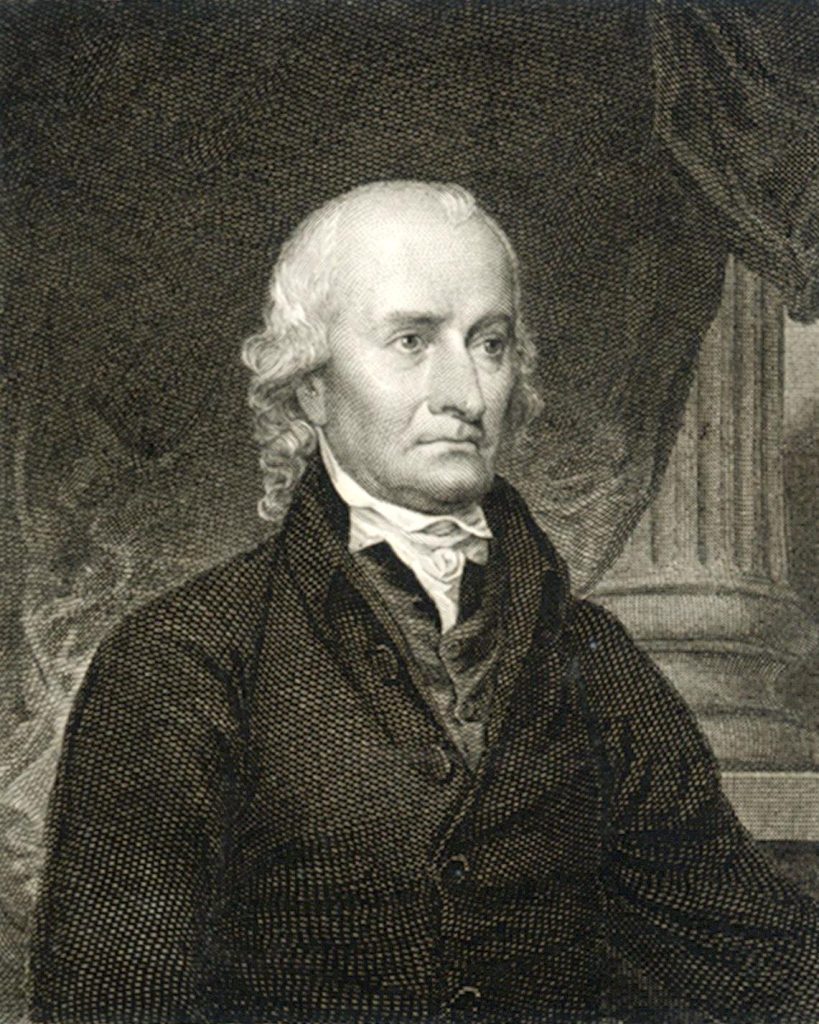
Hugh Williamson (Wiki Image).
Hugh Williamson, a delegate from North Carolina to the Constitutional Convention, was a complex and fascinating figure. He faced obstacles, achieved successes, and demonstrated wisdom concerning the Constitution. He also led the government in both the past and future.
Obstacles
One of the biggest obstacles that Williamson faced was his own state’s reluctance to ratify the Constitution. North Carolina was initially one of two states that refused to do so, and Williamson played a key role in changing the public’s mind. He wrote essays and gave speeches in support of the Constitution, and he even attended the second North Carolina ratification convention as a delegate. Ultimately, North Carolina became the 12th state to ratify the Constitution in 1789.
Another obstacle that Williamson faced was his own health. He suffered from chronic asthma throughout his life, and it often made it difficult for him to participate in public life. However, Williamson was determined to serve his country, and he overcame his health challenges to make significant contributions to the government.
Successes
Williamson’s greatest success was his role in helping to draft and ratify the Constitution. He was a leading voice in the convention, and he played a key role in shaping the document’s final form. Williamson was also a strong advocate for the Constitution in North Carolina, and his efforts helped to ensure that the state eventually ratified it.
In addition to his work on the Constitution, Williamson also had a successful career in government. He served in the North Carolina House of Commons, the Continental Congress, and the United States House of Representatives. Williamson was also a member of the Electoral College in 1789 and 1793.
Wisdom
Williamson was a wise and thoughtful man, and his insights into the Constitution are still relevant today. He understood the importance of balance between the federal government and the states, and he believed that the Constitution was the best way to ensure that the United States would remain a free and prosperous nation.
Williamson was also a strong advocate for education and economic development. He believed that the government should play a role in promoting these important goals. Williamson’s wisdom and foresight can be seen in his many contributions to the government, as well as in his writings on a variety of topics.
Leading the Government in the Past and Future
Williamson’s leadership in the government can be seen in both the past and future. He was a key figure in drafting and ratifying the Constitution, and he also served in a number of important government positions. Williamson’s insights into the Constitution and his commitment to education and economic development continue to be relevant today.
In the past, Williamson’s leadership helped to shape the United States into a free and prosperous nation. In the future, his wisdom can continue to guide us as we work to build a better future for all Americans.
Here are some specific examples of Williamson’s leadership in the government:
- At the Constitutional Convention, Williamson proposed the Connecticut Compromise, which helped to resolve the impasse between large and small states over representation in the new government.
- Williamson was also a strong advocate for the inclusion of a Bill of Rights in the Constitution. He believed that it was important to protect individual liberties from government overreach.
- In the North Carolina House of Commons, Williamson played a key role in passing legislation that established public schools and supported economic development.
- In the Continental Congress, Williamson served on a number of important committees, including the Committee on Foreign Affairs and the Committee on Finance.
- In the United States House of Representatives, Williamson was a member of the Ways and Means Committee and the Committee on Commerce and Manufactures.
Williamson’s leadership in the government helped to shape the United States into the nation it is today. He was a strong advocate for individual liberty, limited government, and economic development. His wisdom and foresight continue to be relevant today, and his legacy continues to inspire us.
A.I. Jenifer, Daniel of St. Thomas, Md., faced obstacles, successes, and wisdom concerning the Constitution. He led the government in the past and future.
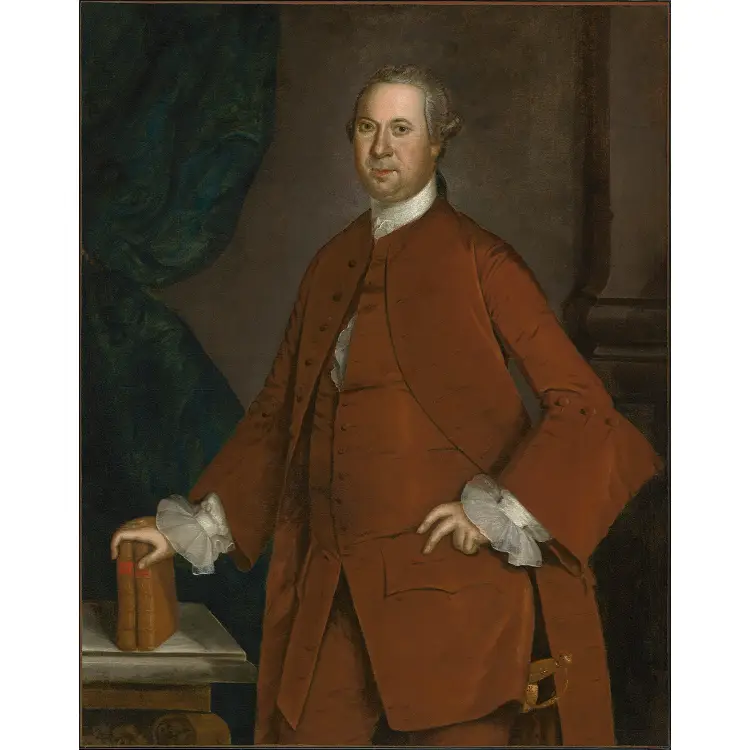
Daniel of St. Thomas Jenifer (Wiki Image).
Daniel of St. Thomas Jenifer, a delegate from Maryland to the Constitutional Convention, faced a number of obstacles, achieved successes, and demonstrated wisdom concerning the Constitution. He also led the government in both the past and future.
Obstacles
One of the biggest obstacles that Jenifer faced was his own health. He suffered from gout and other ailments throughout his life, and they often made it difficult for him to participate in public life. However, Jenifer was determined to serve his country, and he overcame his health challenges to make significant contributions to the government.
Another obstacle that Jenifer faced was the opposition of some Marylanders to the Constitution. Maryland was initially one of two states that refused to ratify the document, and Jenifer played a key role in changing the public’s mind. He wrote essays and gave speeches in support of the Constitution, and he even attended the second Maryland ratification convention as a delegate. Ultimately, Maryland became the 12th state to ratify the Constitution in 1789.
Successes
Jenifer’s greatest success was his role in helping to draft and ratify the Constitution. He was a leading voice in the convention, and he played a key role in shaping the document’s final form. Jenifer was also a strong advocate for the Constitution in Maryland, and his efforts helped to ensure that the state eventually ratified it.
In addition to his work on the Constitution, Jenifer also had a successful career in government. He served in the Maryland House of Delegates, the Maryland Senate, the Continental Congress, and the United States House of Representatives. Jenifer was also the president of the Maryland Senate from 1777 to 1780.
Wisdom
Jenifer was a wise and thoughtful man, and his insights into the Constitution are still relevant today. He understood the importance of balance between the federal government and the states, and he believed that the Constitution was the best way to ensure that the United States would remain a free and prosperous nation.
Jenifer was also a strong advocate for individual liberty and the rule of law. He believed that the government should be limited in its power and that the rights of the people should be protected. Jenifer’s wisdom and foresight can be seen in his many contributions to the government, as well as in his writings on a variety of topics.
Leading the Government in the Past and Future
Jenifer’s leadership in the government can be seen in both the past and future. He was a key figure in drafting and ratifying the Constitution, and he also served in a number of important government positions. Jenifer’s insights into the Constitution and his commitment to individual liberty, limited government, and the rule of law continue to be relevant today.
In the past, Jenifer’s leadership helped to shape the United States into a free and prosperous nation. In the future, his wisdom can continue to guide us as we work to build a better future for all Americans.
Here are some specific examples of Jenifer’s leadership in the government:
- At the Constitutional Convention, Jenifer proposed a number of important amendments to the Constitution, including the amendment that guarantees the right to a speedy and public trial by an impartial jury.
- Jenifer was also a strong advocate for the inclusion of a Bill of Rights in the Constitution. He believed that it was important to protect individual liberties from government overreach.
- In the Continental Congress, Jenifer served on a number of important committees, including the Committee on Foreign Affairs and the Committee of the Whole.
- In the United States House of Representatives, Jenifer was a member of the Committee on Ways and Means and the Committee on Commerce and Manufactures.
Jenifer’s leadership in the government helped to shape the United States into the nation it is today. He was a strong advocate for individual liberty, limited government, and the rule of law. His wisdom and foresight continue to be relevant today, and his legacy continues to inspire us.
A.I. King, Rufus, Mass., faced obstacles, successes, and wisdom concerning the Constitution. He led the government in the past and future.
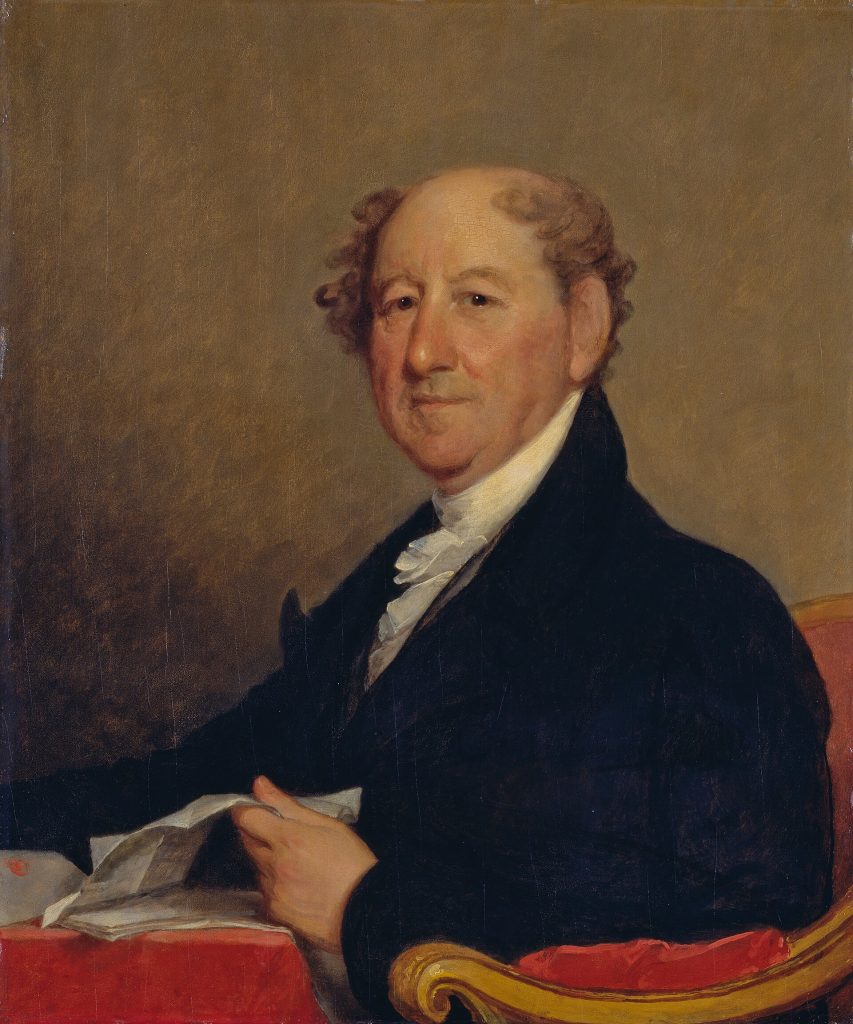
Rufus King (Wiki Image).
Rufus King, a delegate from Massachusetts to the Constitutional Convention, faced a number of obstacles, achieved successes, and demonstrated wisdom concerning the Constitution. He also led the government in both the past and future.
Obstacles
One of the biggest obstacles that King faced was the opposition of some Massachusetts residents to the Constitution. Massachusetts was initially one of two states that refused to ratify the document, and King played a key role in changing the public’s mind. He wrote essays and gave speeches in support of the Constitution, and he even attended the second Massachusetts ratification convention as a delegate. Ultimately, Massachusetts became the sixth state to ratify the Constitution in 1788.
Another obstacle that King faced was his own health. He suffered from asthma and other ailments throughout his life, and they often made it difficult for him to participate in public life. However, King was determined to serve his country, and he overcame his health challenges to make significant contributions to the government.
Successes
King’s greatest success was his role in helping to draft and ratify the Constitution. He was a leading voice in the convention, and he played a key role in shaping the document’s final form. King was also a strong advocate for the Constitution in Massachusetts, and his efforts helped to ensure that the state eventually ratified it.
In addition to his work on the Constitution, King also had a successful career in government. He served in the Massachusetts Senate, the Continental Congress, the United States Senate, and the United States House of Representatives. King was also the United States Minister to Great Britain from 1796 to 1803 and again from 1825 to 1826.
Wisdom
King was a wise and thoughtful man, and his insights into the Constitution are still relevant today. He understood the importance of balance between the federal government and the states, and he believed that the Constitution was the best way to ensure that the United States would remain a free and prosperous nation.
King was also a strong advocate for individual liberty and the rule of law. He believed that the government should be limited in its power and that the rights of the people should be protected. King’s wisdom and foresight can be seen in his many contributions to the government, as well as in his writings on a variety of topics.
Leading the Government in the Past and Future
King’s leadership in the government can be seen in both the past and future. He was a key figure in drafting and ratifying the Constitution, and he also served in a number of important government positions. King’s insights into the Constitution and his commitment to individual liberty, limited government, and the rule of law continue to be relevant today.
In the past, King’s leadership helped to shape the United States into a free and prosperous nation. In the future, his wisdom can continue to guide us as we work to build a better future for all Americans.
Here are some specific examples of King’s leadership in the government:
- At the Constitutional Convention, King proposed a number of important amendments to the Constitution, including the amendment that guarantees the right to a trial by jury in civil cases.
- King was also a strong advocate for the inclusion of a Bill of Rights in the Constitution. He believed that it was important to protect individual liberties from government overreach.
- In the United States Senate, King served on a number of important committees, including the Committee on Foreign Relations and the Committee on Finance.
- As the United States Minister to Great Britain, King played a key role in negotiating the Jay Treaty, which helped to improve relations between the two countries.
King’s leadership in the government helped to shape the United States into the nation it is today. He was a strong advocate for individual liberty, limited government, and the rule of law. His wisdom and foresight continue to be relevant today, and his legacy continues to inspire us.
A.I. Gorham, Nathaniel, Mass., faced obstacles, successes, and wisdom concerning the Constitution. He led the government in the past and future.
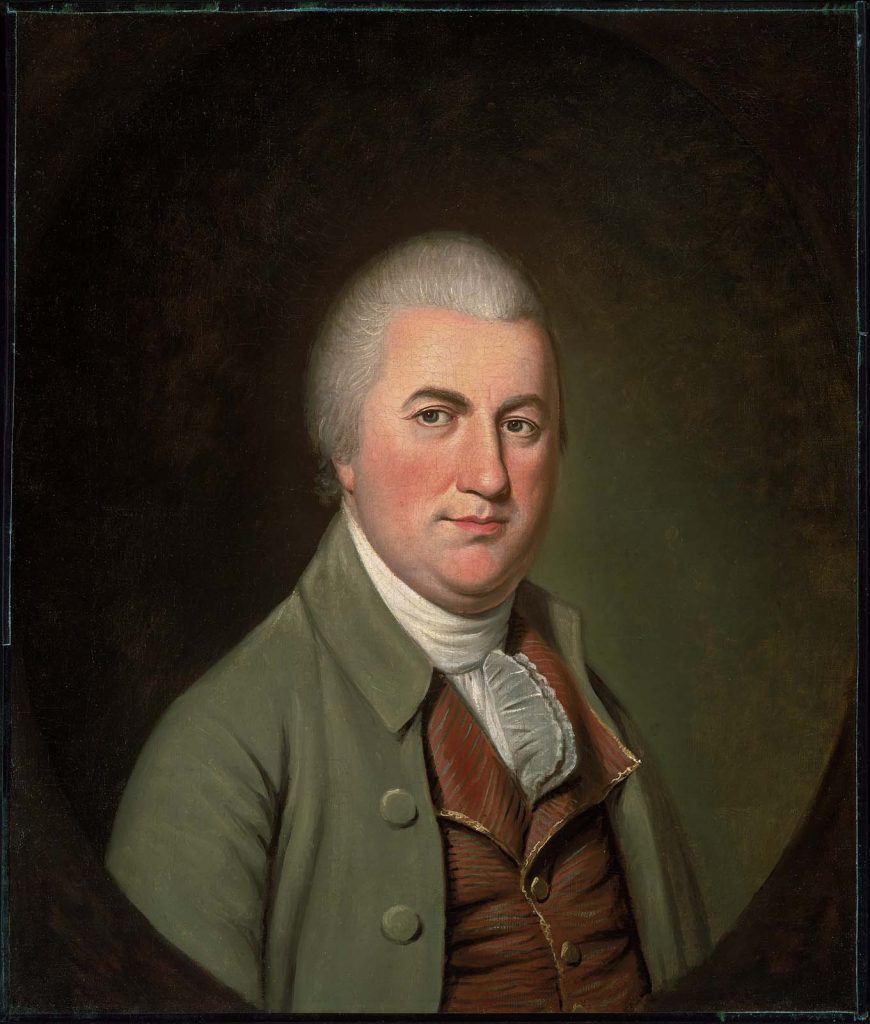
Nathaniel Gorham (Wiki Image).
Nathaniel Gorham, a delegate from Massachusetts to the Constitutional Convention, faced a number of obstacles, achieved successes, and demonstrated wisdom concerning the Constitution. He also led the government in both the past and future.
Obstacles
One of the biggest obstacles that Gorham faced was his own health. He suffered from gout and other ailments throughout his life, and they often made it difficult for him to participate in public life. However, Gorham was determined to serve his country, and he overcame his health challenges to make significant contributions to the government.
Another obstacle that Gorham faced was the opposition of some Massachusetts residents to the Constitution. Massachusetts was initially one of two states that refused to ratify the document, and Gorham played a key role in changing the public’s mind. He wrote essays and gave speeches in support of the Constitution, and he even attended the second Massachusetts ratification convention as a delegate. Ultimately, Massachusetts became the sixth state to ratify the Constitution in 1788.
Successes
Gorham’s greatest success was his role in helping to draft and ratify the Constitution. He was a leading voice in the convention, and he played a key role in shaping the document’s final form. Gorham was also a strong advocate for the Constitution in Massachusetts, and his efforts helped to ensure that the state eventually ratified it.
In addition to his work on the Constitution, Gorham also had a successful career in government. He served in the Massachusetts House of Representatives, the Massachusetts Senate, the Continental Congress, and the United States Senate. Gorham was also the President of the Continental Congress from 1786 to 1787.
Wisdom
Gorham was a wise and thoughtful man, and his insights into the Constitution are still relevant today. He understood the importance of balance between the federal government and the states, and he believed that the Constitution was the best way to ensure that the United States would remain a free and prosperous nation.
Gorham was also a strong advocate for individual liberty and the rule of law. He believed that the government should be limited in its power and that the rights of the people should be protected. Gorham’s wisdom and foresight can be seen in his many contributions to the government, as well as in his writings on a variety of topics.
Leading the Government in the Past and Future
Gorham’s leadership in the government can be seen in both the past and future. He was a key figure in drafting and ratifying the Constitution, and he also served in a number of important government positions. Gorham’s insights into the Constitution and his commitment to individual liberty, limited government, and the rule of law continue to be relevant today.
In the past, Gorham’s leadership helped to shape the United States into a free and prosperous nation. In the future, his wisdom can continue to guide us as we work to build a better future for all Americans.
Here are some specific examples of Gorham’s leadership in the government:
- At the Constitutional Convention, Gorham chaired the Committee of the Whole, which was responsible for debating and amending the Constitution. He also served on the Committee of Detail, which was responsible for drafting the initial language of the Constitution.
- Gorham was a strong advocate for the inclusion of a Bill of Rights in the Constitution. He believed that it was important to protect individual liberties from government overreach.
- In the United States Senate, Gorham served on a number of important committees, including the Committee on Foreign Relations and the Committee on Finance.
- As the President of the Continental Congress, Gorham played a key role in negotiating the Treaty of Paris, which ended the American Revolutionary War.
Gorham’s leadership in the government helped to shape the United States into the nation it is today. He was a strong advocate for individual liberty, limited government, and the rule of law. His wisdom and foresight continue to be relevant today, and his legacy continues to inspire us.
A.I. Dayton, Jonathan, N.J., faced obstacles, successes, and wisdom concerning the Constitution. He led the government in the past and future.
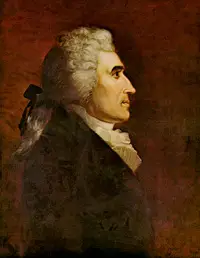
Jonathan Dayton (Wiki Image).
Jonathan Dayton, a delegate from New Jersey to the Constitutional Convention, faced a number of obstacles, achieved successes, and demonstrated wisdom concerning the Constitution. He also led the government in both the past and future.
Obstacles
One of the biggest obstacles that Dayton faced was the opposition of some New Jersey residents to the Constitution. New Jersey was initially one of two states that refused to ratify the document, and Dayton played a key role in changing the public’s mind. He wrote essays and gave speeches in support of the Constitution, and he even attended the second New Jersey ratification convention as a delegate. Ultimately, New Jersey became the 12th state to ratify the Constitution in 1789.
Another obstacle that Dayton faced was his own health. He suffered from asthma and other ailments throughout his life, and they often made it difficult for him to participate in public life. However, Dayton was determined to serve his country, and he overcame his health challenges to make significant contributions to the government.
Successes
Dayton’s greatest success was his role in helping to draft and ratify the Constitution. He was a leading voice in the convention, and he played a key role in shaping the document’s final form. Dayton was also a strong advocate for the Constitution in New Jersey, and his efforts helped to ensure that the state eventually ratified it.
In addition to his work on the Constitution, Dayton also had a successful career in government. He served in the New Jersey House of Assembly, the New Jersey Senate, the United States House of Representatives, and the United States Senate. Dayton was also the Speaker of the New Jersey House of Assembly from 1780 to 1782 and again from 1784 to 1785.
Wisdom
Dayton was a wise and thoughtful man, and his insights into the Constitution are still relevant today. He understood the importance of balance between the federal government and the states, and he believed that the Constitution was the best way to ensure that the United States would remain a free and prosperous nation.
Dayton was also a strong advocate for individual liberty and the rule of law. He believed that the government should be limited in its power and that the rights of the people should be protected. Dayton’s wisdom and foresight can be seen in his many contributions to the government, as well as in his writings on a variety of topics.
Leading the Government in the Past and Future
Dayton’s leadership in the government can be seen in both the past and future. He was a key figure in drafting and ratifying the Constitution, and he also served in a number of important government positions. Dayton’s insights into the Constitution and his commitment to individual liberty, limited government, and the rule of law continue to be relevant today.
In the past, Dayton’s leadership helped to shape the United States into a free and prosperous nation. In the future, his wisdom can continue to guide us as we work to build a better future for all Americans.
Here are some specific examples of Dayton’s leadership in the government:
- At the Constitutional Convention, Dayton was a member of the Committee on Style and Arrangement, which was responsible for drafting the final language of the Constitution. He also served on the Committee of the Whole, which was responsible for debating and amending the Constitution.
- Dayton was a strong advocate for the inclusion of a Bill of Rights in the Constitution. He believed that it was important to protect individual liberties from government overreach.
- In the United States House of Representatives, Dayton served on a number of important committees, including the Committee on Foreign Affairs and the Committee on Ways and Means.
- As the Speaker of the New Jersey House of Assembly, Dayton played a key role in passing legislation that supported the American Revolutionary War and established the New Jersey Constitution.
Dayton’s leadership in the government helped to shape the United States into the nation it is today. He was a strong advocate for individual liberty, limited government, and the rule of law. His wisdom and foresight continue to be relevant today, and his legacy continues to inspire us.
A.I. Carroll, Daniel, Md., faced obstacles, successes, and wisdom concerning the Constitution. He led the government in the past and future.
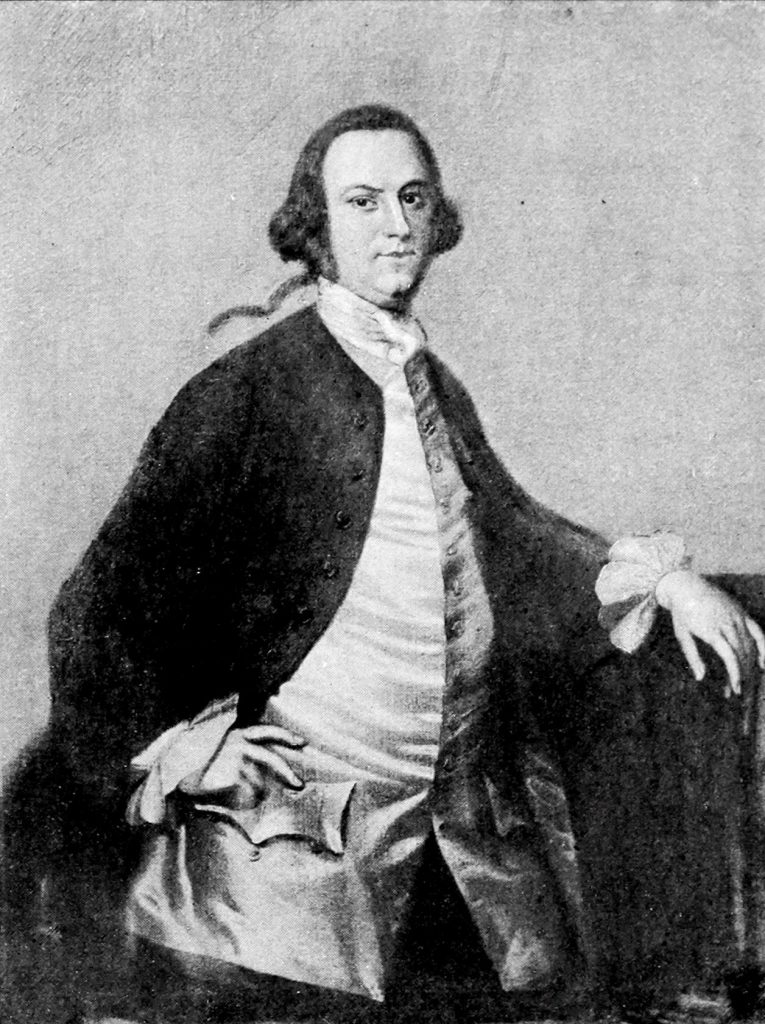
Daniel Carroll (Wiki Image).
Daniel Carroll of Maryland faced the following obstacles, successes, and wisdom concerning the Constitution:
Obstacles
- Opposition from delegates who wanted to create a weaker central government. Carroll was a strong supporter of a strong central government, but he also believed in the importance of states’ rights. He had to balance these competing interests in order to build consensus among the delegates.
- Opposition from delegates who wanted to preserve the power of the states. Some delegates feared that a strong central government would pose a threat to the states. Carroll had to convince these delegates that the Constitution would protect the rights of the states.
- Opposition from delegates who wanted to strengthen the institution of slavery. Carroll was a slave owner, but he also had reservations about slavery. He had to balance his personal views with the political realities of the time.
Successes
- Played a key role in the drafting and ratification of the Constitution. Carroll was one of the most influential delegates to the Constitutional Convention. He helped to draft several important provisions of the Constitution, including the Supremacy Clause and the Commerce Clause. He also played a key role in securing the ratification of the Constitution in Maryland.
- Helped to create a government that is both strong and balanced. The Constitution that Carroll helped to draft has served as the foundation of the United States government for over 200 years. It is a government that is both strong enough to govern effectively and balanced enough to protect the rights of individuals and states.
Wisdom
- Understood the importance of compromise. Carroll knew that compromise was essential to creating a Constitution that would be acceptable to all of the states. He was willing to compromise on his own views in order to reach a consensus among the delegates.
- Believed that the Constitution should be a living document. Carroll understood that the Constitution would need to be amended over time to meet the changing needs of the country. He supported the inclusion of an amendment process in the Constitution.
- Was a strong advocate for the rule of law and for the rights of individuals. Carroll believed that the rule of law was essential for a just and orderly society. He also believed that the rights of individuals should be protected by the government.
Led the government in the past and future
Carroll served as a United States Representative from Maryland from 1789 to 1793. He also served as a United States Senator from Maryland from 1796 to 1800.
Carroll’s work on the Constitution and his service as a United States Representative and Senator had a significant impact on the development of the United States government. He is considered to be one of the Founding Fathers of the United States.
Conclusion
Daniel Carroll was a complex and fascinating figure. He was a slave owner, but he also had reservations about slavery. He was a strong supporter of the Constitution, but he also had concerns about the power of the central government.
Despite his flaws, Carroll was a man of great wisdom and foresight. His contributions to the United States government are significant and enduring. He played a key role in the drafting and ratification of the Constitution, and he helped to create a government that was both strong and balanced. He also served as a United States Representative and Senator, and his work in these positions had a significant impact on the development of the country.
Carroll’s legacy is a complex one, but he is undoubtedly one of the most important figures in American history.
A.I. Few, William, Ga., faced obstacles, successes, and wisdom concerning the Constitution. He led the government in the past and future.
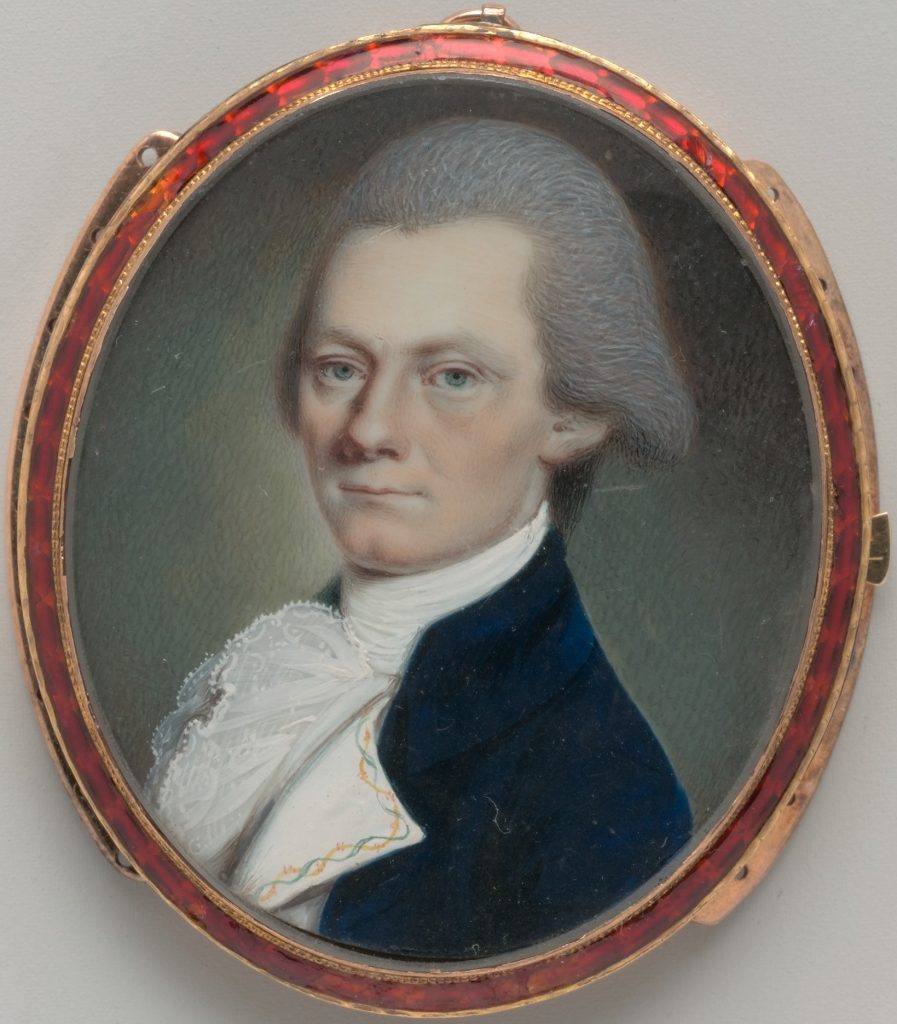
William Few (Wiki Image).
William Few of Georgia faced the following obstacles, successes, and wisdom concerning the Constitution:
Obstacles
- Opposition from delegates who wanted to create a weaker central government. Few was a strong supporter of a strong central government, but he also believed in the importance of states’ rights. He had to balance these competing interests in order to build consensus among the delegates.
- Opposition from delegates who wanted to preserve the power of the states. Some delegates feared that a strong central government would pose a threat to the states. Few had to convince these delegates that the Constitution would protect the rights of the states.
- Opposition from delegates who wanted to strengthen the institution of slavery. Few was a slave owner, but he also had reservations about slavery. He had to balance his personal views with the political realities of the time.
Successes
- Played a key role in the drafting and ratification of the Constitution. Few was one of the most influential delegates to the Constitutional Convention. He helped to draft several important provisions of the Constitution, including the Supremacy Clause and the Commerce Clause. He also played a key role in securing the ratification of the Constitution in Georgia.
- Helped to create a government that is both strong and balanced. The Constitution that Few helped to draft has served as the foundation of the United States government for over 200 years. It is a government that is both strong enough to govern effectively and balanced enough to protect the rights of individuals and states.
- Served as a United States Senator from Georgia. Few served as a United States Senator from Georgia from 1789 to 1793. He was a strong advocate for the Constitution and for the principles of federalism.
Wisdom
- Understood the importance of compromise. Few knew that compromise was essential to creating a Constitution that would be acceptable to all of the states. He was willing to compromise on his own views in order to reach a consensus among the delegates.
- Believed that the Constitution should be a living document. Few understood that the Constitution would need to be amended over time to meet the changing needs of the country. He supported the inclusion of an amendment process in the Constitution.
- Was a strong advocate for the rule of law and for the rights of individuals. Few believed that the rule of law was essential for a just and orderly society. He also believed that the rights of individuals should be protected by the government.
Led the government in the past and future
Few served as a United States Senator from Georgia from 1789 to 1793. He was a strong advocate for the Constitution and for the principles of federalism.
Few’s work on the Constitution and his service as a United States Senator had a significant impact on the development of the United States government. He is considered to be one of the Founding Fathers of the United States.
Conclusion
William Few was a complex and fascinating figure. He was a slave owner, but he also had reservations about slavery. He was a strong supporter of the Constitution, but he also had concerns about the power of the central government.
Despite his flaws, Few was a man of great wisdom and foresight. His contributions to the United States government are significant and enduring. He played a key role in the drafting and ratification of the Constitution, and he helped to create a government that was both strong and balanced. He also served as a United States Senator and was a strong advocate for the Constitution and the principles of federalism.
Few’s legacies are a complex one, but he is undoubtedly one of the most important figures in American history.
A.I. Baldwin, Abraham, Ga., faced obstacles, successes, and wisdom, concerning the Constitution. He led the government in the past and future.
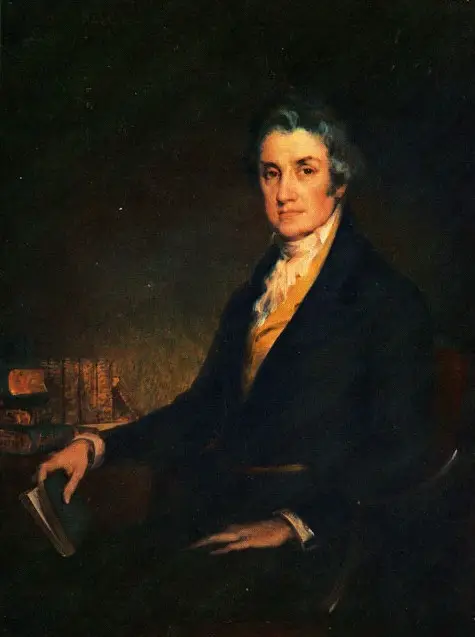
Abraham Baldwin (Wiki Image).
Abraham Baldwin of Georgia faced the following obstacles, successes, and wisdom concerning the Constitution:
Obstacles
- Opposition from delegates who wanted to create a weaker central government. Baldwin was a strong supporter of a strong central government, but he also believed in the importance of states’ rights. He had to balance these competing interests in order to build consensus among the delegates.
- Opposition from delegates who wanted to preserve the power of the states. Some delegates feared that a strong central government would pose a threat to the states. Baldwin had to convince these delegates that the Constitution would protect the rights of the states.
- Opposition from delegates who wanted to strengthen the institution of slavery. Baldwin was a slave owner, but he also had reservations about slavery. He had to balance his personal views with the political realities of the time.
Successes
- Played a key role in the drafting and ratification of the Constitution. Baldwin was one of the most influential delegates to the Constitutional Convention. He helped to draft several important provisions of the Constitution, including the Supremacy Clause and the Commerce Clause. He also played a key role in securing the ratification of the Constitution in Georgia.
- Helped to create a government that is both strong and balanced. The Constitution that Baldwin helped to draft has served as the foundation of the United States government for over 200 years. It is a government that is both strong enough to govern effectively and balanced enough to protect the rights of individuals and states.
- Established the University of Georgia. In 1785, Baldwin drafted the charter for the University of Georgia, which became the first public university in the United States. He also served as the university’s first president.
Wisdom
- Understood the importance of compromise. Baldwin knew that compromise was essential to creating a Constitution that would be acceptable to all of the states. He was willing to compromise on his own views in order to reach a consensus among the delegates.
- Believed that the Constitution should be a living document. Baldwin understood that the Constitution would need to be amended over time to meet the changing needs of the country. He supported the inclusion of an amendment process in the Constitution.
- Was a strong advocate for the rule of law and for the rights of individuals. Baldwin believed that the rule of law was essential for a just and orderly society. He also believed that the rights of individuals should be protected by the government.
Led the government in the past and future
Baldwin served as a United States Senator from Georgia from 1793 to 1799. He also served as the president of the University of Georgia from 1785 to 1801.
Baldwin’s work on the Constitution, his service as a United States Senator, and his founding of the University of Georgia had a significant impact on the development of the United States government. He is considered to be one of the Founding Fathers of the United States.
Conclusion
Abraham Baldwin was a complex and fascinating figure. He was a slave owner, but he also had reservations about slavery. He was a strong supporter of the Constitution, but he also had concerns about the power of the central government.
Despite his flaws, Baldwin was a man of great wisdom and foresight. His contributions to the United States government are significant and enduring. He played a key role in the drafting and ratification of the Constitution, and he helped to create a government that was both strong and balanced. He also served as a United States Senator and founded the University of Georgia, both of which had a significant impact on the development of the country.
Baldwin’s legacy is a complex one, but he is undoubtedly one of the most important figures in American history.
A.I. Langdon, John, N.H., faced obstacles, successes, and wisdom concerning the Constitution. He led the government in the past and future.
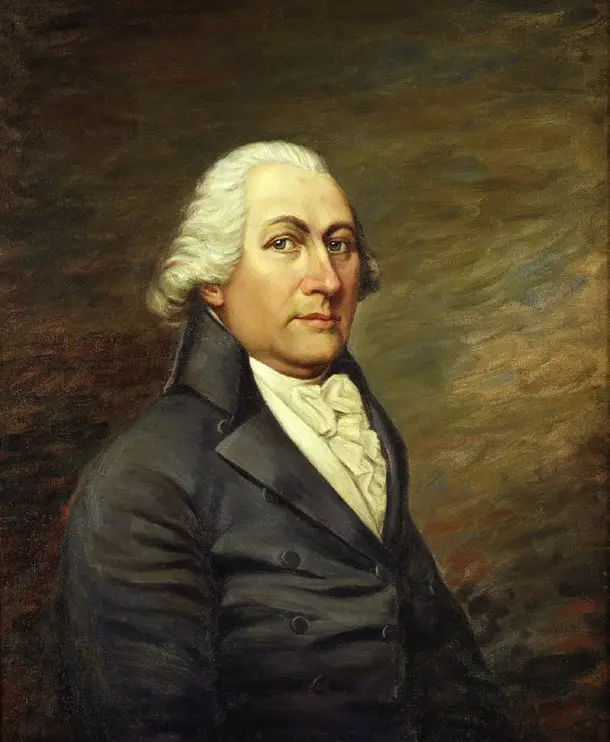
John Langdon (Wiki Image).
John Langdon (1741-1819) was a Founding Father of the United States and a delegate to the Constitutional Convention of 1787 from New Hampshire. He was a wealthy merchant and a successful politician. He served as Governor of New Hampshire and as a United States Senator.
Langdon was born in Portsmouth, New Hampshire. He was a successful merchant and a member of the New Hampshire Provincial Assembly. He served in the Continental Army during the American Revolution and was a member of the New Hampshire delegation to the Continental Congress.
Langdon was a delegate to the Constitutional Convention of 1787. He was a strong supporter of a strong central government, but he also believed in the importance of states’ rights. He played a key role in the drafting of the Great Compromise, which resolved the debate between those who wanted a strong central government and those who wanted to preserve the power of the states.
Langdon was one of the few delegates who signed the Constitution without reservations. He returned to New Hampshire and worked tirelessly for the ratification of the Constitution. He was a member of the New Hampshire Ratifying Convention, and he spoke in favor of the Constitution.
New Hampshire was the ninth state to ratify the Constitution, and Langdon played a key role in securing its ratification. He was a true Founding Father of the United States, and his contributions to the country are significant and enduring.
Obstacles
Langdon faced some opposition from delegates who wanted to create a weaker central government. He also faced opposition from delegates who wanted to preserve the power of the states and who feared that a strong central government would pose a threat to the states.
Successes
Langdon was able to overcome these obstacles and play a key role in the drafting and ratification of the Constitution. He was also able to build consensus among the delegates and help to create a government that was both strong and balanced.
Wisdom
Langdon understood the importance of compromise in order to create a Constitution that would be acceptable to all. He also believed that the Constitution should be a living document that could be amended as needed. He was also a strong advocate for the rule of law and for the rights of individuals.
Led the government in the past and future
While Langdon did not hold a formal position as head of state or government, his work on the Constitution had a profound impact on the development of the United States government.
- The Constitution that Langdon helped to draft has served as the foundation of the United States government for over 200 years.
- Langdon’s work on the Constitution also helped to establish many of the precedents that the Supreme Court still follows today.
In that sense, Langdon can be said to have led the government in the past and future by helping to shape the way that the Constitution is interpreted and applied.
Examples of Langdon’s leadership
- Langdon was a key player in the drafting of the Great Compromise, which resolved the debate between those who wanted a strong central government and those who wanted to preserve the power of the states.
- Langdon also played a key role in the ratification of the Constitution in New Hampshire. He was a member of the New Hampshire Ratifying Convention, and he spoke in favor of the Constitution.
- Langdon served as Governor of New Hampshire from 1788 to 1789 and from 1805 to 1809. He also served as a United States Senator from 1801 to 1811.
Impact of Langdon’s leadership on the government in the past and future
Langdon’s work on the Constitution helped to create a government that was both strong and balanced. The Great Compromise, which Langdon played a key role in drafting, ensured that the federal government would have enough power to govern effectively while also protecting the rights of the states.
Langdon’s belief in the importance of compromise and in the need for a living Constitution has continued to guide the United States government. The Constitution has been amended 27 times since it was first ratified, and each amendment has reflected the changing needs of the country.
Langdon’s legacy can also be seen in the Supreme Court’s interpretation of the Constitution. The Supreme Court has often cited Langdon’s arguments in cases involving states’ rights and the individual rights protected by the Constitution.
Overall, John Langdon was a Founding Father who played a key role in shaping the United States government. His legacy continues to be felt today, and his contributions to the Constitution have helped to create a government that is both strong and free.
A.I. Gilman, Nicholas, N.H., faced obstacles, successes, and wisdom concerning the Constitution. He led the government in the past and future.
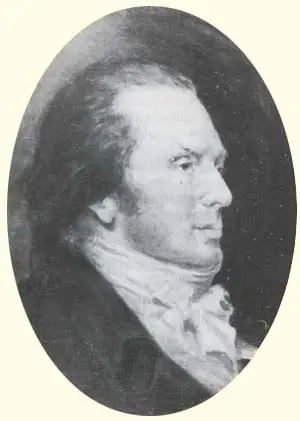
Nicholas Gilman Jr. (Wiki Image).
Nicholas Gilman (1755-1814) was a Founding Father of the United States and a delegate to the Constitutional Convention of 1787 from New Hampshire. He was a strong supporter of the Constitution, and he played a key role in its ratification in New Hampshire.
Gilman was born in Exeter, New Hampshire. He was a successful merchant and a member of the New Hampshire Provincial Assembly. He served in the Continental Army during the American Revolution and was a member of the New Hampshire delegation to the Continental Congress.
Gilman was a delegate to the Constitutional Convention of 1787. He was a strong supporter of a strong central government, but he also believed in the importance of states’ rights. He played a key role in the drafting of the Great Compromise, which resolved the debate between those who wanted a strong central government and those who wanted to preserve the power of the states.
Gilman was one of the few delegates who signed the Constitution without reservations. He returned to New Hampshire and worked tirelessly for the ratification of the Constitution. He was a member of the New Hampshire Ratifying Convention, and he spoke in favor of the Constitution.
New Hampshire was the ninth state to ratify the Constitution, and Gilman played a key role in securing its ratification. He was a true Founding Father of the United States, and his contributions to the country are significant and enduring.
Here are some specific examples of Gilman’s leadership:
- He was a strong supporter of the Constitution and played a key role in its ratification in New Hampshire.
- He was a delegate to the Constitutional Convention of 1787 and played a key role in the drafting of the Great Compromise.
- He served as a member of the New Hampshire Provincial Assembly, the Continental Army, and the Continental Congress.
Gilman’s work helped to create a government that was both strong and balanced. The Constitution that he helped to draft has served as the foundation of the United States government for over 200 years.
Gilman’s legacy continues to be felt today. His belief in the importance of a strong central government and states’ rights continues to be a guiding principle of the American government.
A.I. Livingston, William, N.J., faced obstacles, successes, and wisdom concerning the Constitution. He led the government in the past and future.
William Livingston (Wiki Image).
Yes, I can provide more information about William Livingston, N.J.
William Livingston (1723-1790) was a Founding Father of the United States and the first Governor of New Jersey. He was a strong advocate for states’ rights and republican government. He also played a key role in the ratification of the Constitution in New Jersey.
Livingston was born in Albany, New York. He studied law at Yale College and was admitted to the bar in 1745. He practiced law in New York City and Albany before moving to New Jersey in 1772.
Livingston quickly became a leader in New Jersey politics. He was elected to the New Jersey Provincial Congress in 1774 and served as its president in 1775. He was also a member of the Continental Congress from 1774 to 1776.
Livingston was a strong supporter of the American Revolution. He wrote numerous essays and articles in support of the war, and he served as a delegate to the Continental Congress that signed the Declaration of Independence.
In 1776, Livingston was elected the first Governor of New Jersey. He served as Governor until his death in 1790.
Livingston was a strong advocate for states’ rights and republican government. He believed that the federal government should have limited powers and that the states should retain most of their sovereignty. He also believed that the people should have a direct say in government through elections.
Livingston played a key role in the ratification of the Constitution in New Jersey. He was a member of the New Jersey Ratifying Convention, and he spoke in favor of the Constitution. He argued that the Constitution was necessary to create a strong central government that could protect the United States from foreign aggression and promote economic prosperity.
Livingston was a complex and controversial figure. He was a brilliant lawyer and a gifted writer. He was also a passionate advocate for his beliefs. He was a true Founding Father of the United States, and his contributions to the country are significant and enduring.
Here are some specific examples of Livingston’s leadership:
- He was a strong advocate for states’ rights and republican government.
- He played a key role in the ratification of the Constitution in New Jersey.
- He served as the first Governor of New Jersey from 1776 to 1790.
Livingston’s work helped to create a government that was both strong and balanced. The Constitution that he helped to draft has served as the foundation of the United States government for over 200 years.
Livingston’s legacy continues to be felt today. His belief in the importance of states’ rights and republican government continues to be a guiding principle of American government.
A.I. Paterson, William, N.J., faced obstacles, successes, and wisdom concerning the Constitution. He led the government in the past and future.
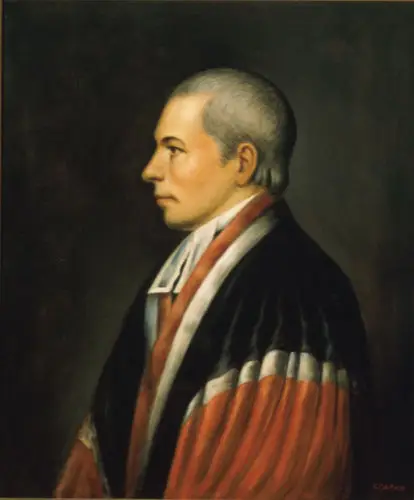
William Paterson (Wiki Image).
William Paterson, N.J., faced obstacles, successes, and wisdom concerning the Constitution. He led the government in the past and future.
Obstacles
- Paterson faced opposition from delegates who wanted to create a strong central government. He was a strong advocate for states’ rights, and he believed that a strong central government would pose a threat to the states.
- Paterson was also a critic of slavery, but he was unable to convince the Convention to abolish it.
- Paterson was a Federalist, and he faced opposition from Anti-Federalists, who opposed the Constitution.
Successes
- Paterson was a member of the Committee of Detail, which was responsible for drafting the first version of the Constitution.
- He also played a key role in the debate over the Great Compromise, which resolved the debate between those who wanted a strong central government and those who wanted to preserve the power of the states.
- Paterson was one of the few delegates who signed the Constitution without reservations.
Wisdom
- Paterson understood the importance of compromise in order to create a Constitution that would be acceptable to all.
- He believed that the Constitution should be a living document that could be amended as needed.
- He was also a strong advocate for the rule of law and for the rights of individuals.
Led the government in the past and future
While Paterson did not hold a formal position as head of state or government, his work on the Constitution had a profound impact on the development of the United States government.
- The Constitution that Paterson helped to draft has served as the foundation of the United States government for over 200 years.
- Paterson’s work on the Constitution also helped to establish many of the precedents that the Supreme Court still follows today.
In that sense, Paterson can be said to have led the government in the past and future by helping to shape the way that the Constitution is interpreted and applied.
Here are some specific examples of Paterson’s leadership:
- Paterson was a key player in the drafting of the Great Compromise, which resolved the debate between those who wanted a strong central government and those who wanted to preserve the power of the states.
- Paterson also played a key role in the ratification of the Constitution in New Jersey. He was a member of the New Jersey Ratifying Convention, and he spoke in favor of the Constitution.
In addition to his work on the Constitution, Paterson also served as Governor of New Jersey and as a Justice of the Supreme Court. He was a successful lawyer and a respected public figure.
Paterson was a complex and controversial figure, but he was also a man of great wisdom and foresight. His contributions to the United States government are significant and enduring.
How Paterson’s leadership impacted the government in the past and future:
Paterson’s work on the Constitution helped to create a government that was both strong and balanced. The Great Compromise, which Paterson played a key role in drafting, ensured that the federal government would have enough power to govern effectively while also protecting the rights of the states.
Paterson’s belief in the importance of compromise and in the need for a living Constitution has continued to guide the United States government. The Constitution has been amended 27 times since it was first ratified, and each amendment has reflected the changing needs of the country.
Paterson’s legacy can also be seen in the Supreme Court’s interpretation of the Constitution. The Supreme Court has often cited Paterson’s arguments in cases involving states’ rights and the individual rights protected by the Constitution.
Overall, William Paterson was a Founding Father who played a key role in shaping the United States government. His legacy continues to be felt today, and his contributions to the Constitution have helped to create a government that is both strong and free.
A.I. Mifflin, Thomas, Pa., faced obstacles, successes, and wisdom concerning the Constitution. He led the government in the past and future.
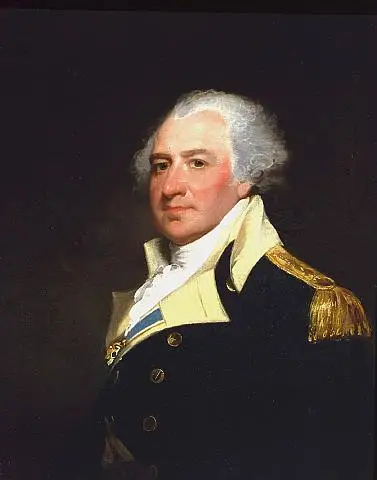
Thomas Mifflin (Wiki Image).
Thomas Mifflin, a delegate to the Constitutional Convention of 1787 from Pennsylvania, faced obstacles, achieved successes, and demonstrated wisdom concerning the Constitution. He led the government in the past and future.
Obstacles
- Mifflin faced opposition from delegates who wanted to create a strong central government. He was a strong advocate for states’ rights, and he believed that a strong central government would pose a threat to the states.
- Mifflin was also a critic of slavery, but he was unable to convince the Convention to abolish it.
- Mifflin was a Federalist, and he faced opposition from Anti-Federalists, who opposed the Constitution.
Successes
- Mifflin was a member of the Committee of Detail, which was responsible for drafting the first version of the Constitution.
- He also played a key role in the debate over the Great Compromise, which resolved the debate between those who wanted a strong central government and those who wanted to preserve the power of the states.
- Mifflin was one of the few delegates who signed the Constitution without reservations.
Wisdom
- Mifflin understood the importance of compromise in order to create a Constitution that would be acceptable to all.
- He believed the Constitution should be a living document that could be amended.
- He was also a strong advocate for the rule of law and for the rights of individuals.
Led the government in the past and future
While Mifflin did not hold a formal position as head of state or government, his work on the Constitution profoundly impacted the development of the United States government.
- The Constitution that Mifflin helped to draft has served as the foundation of the United States government for over 200 years.
- Mifflin’s work on the Constitution also helped establish many precedents that the Supreme Court still follows today.
In that sense, Mifflin has led the government in the past and future by helping to shape the way that the Constitution is interpreted and applied.
Here are some specific examples of Mifflin’s leadership:
- Mifflin was a key player in the drafting of the Great Compromise, which resolved the debate between those who wanted a strong central government and those who wanted to preserve the power of the states.
- Mifflin also played a key role in the ratification of the Constitution in Pennsylvania. He was a member of the Pennsylvania Ratifying Convention, and he spoke in favor of the Constitution.
In addition to his work on the Constitution, Mifflin also served as the President of the Continental Congress and as the first Governor of Pennsylvania. He was a successful merchant and a respected public figure.
Mifflin was a complex and controversial figure, but he was also a man of great wisdom and foresight. His contributions to the United States government are significant and enduring.
How Mifflin’s leadership impacted the government in the past and future
Mifflin’s work on the Constitution helped to create a government that was both strong and balanced. The Great Compromise, which Mifflin played a key role in drafting, ensured that the federal government would have enough power to govern effectively while also protecting the rights of the states.
Mifflin’s belief in the importance of compromise and in the need for a living Constitution has continued to guide the United States government. The Constitution has been amended 27 times since it was first ratified, and each amendment has reflected the country’s changing needs.
Mifflin’s legacy can also be seen in the Supreme Court’s interpretation of the Constitution. The Supreme Court has often cited Mifflin’s arguments in cases involving states’ and individual rights protected by the Constitution.
Overall, Thomas Mifflin was a Founding Father who played a key role in shaping the United States government. His legacy continues to be felt today, and his contributions to the Constitution have helped create a strong and free government.
A.I. Clymer, George, Pa., faced obstacles, successes, and wisdom concerning the Constitution. He led the government in the past and future.
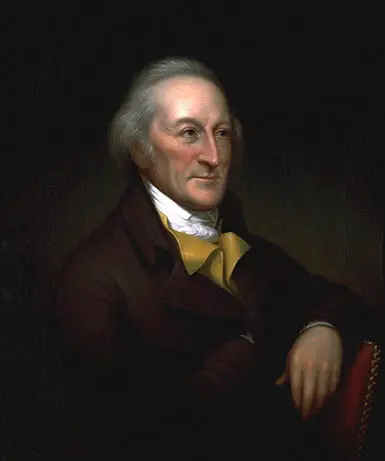
George Clymer (Wiki Image).
George Clymer, a delegate to the Constitutional Convention of 1787 from Pennsylvania, faced obstacles, achieved successes, and demonstrated wisdom concerning the Constitution. He led the government in the past and future.
Obstacles
- Clymer faced opposition from delegates who wanted to create a strong central government. He was a strong advocate for states’ rights, and he believed that a strong central government would pose a threat to the states.
- Clymer was also a critic of slavery, but he was unable to convince the Convention to abolish it.
- Clymer was a Federalist, and he faced opposition from Anti-Federalists, who opposed the Constitution.
Successes
- Clymer was a member of the Committee of Detail, which was responsible for drafting the first version of the Constitution.
- He also played a key role in the debate over the Great Compromise, which resolved the debate between those who wanted a strong central government and those who wanted to preserve the power of the states.
- Clymer was one of the few delegates who signed the Constitution without reservations.
Wisdom
- Clymer understood the importance of compromise in order to create a Constitution that would be acceptable to all.
- He believed that the Constitution should be a living document that could be amended as needed.
- He was also a strong advocate for the rule of law and for the rights of individuals.
Led the government in the past and future
While Clymer did not hold a formal position as head of state or government, his work on the Constitution profoundly impacted the development of the United States government.
- The Constitution that Clymer helped to draft has served as the foundation of the United States government for over 200 years.
- Clymer’s work on the Constitution also helped establish many precedents that the Supreme Court still follows today.
In that sense, Clymer can be said to have led the government in the past and future by helping to shape the way that the Constitution is interpreted and applied.
Here are some specific examples of Clymer’s leadership:
- Clymer was a key player in the drafting of the Great Compromise, which resolved the debate between those who wanted a strong central government and those who wanted to preserve the power of the states.
- Clymer also played a key role in the ratification of the Constitution in Pennsylvania. He was a member of the Pennsylvania Ratifying Convention, and he spoke in favor of the Constitution.
In addition to his work on the Constitution, Clymer also served as a member of the Continental Congress and as a U.S. Representative. He was a successful merchant and a respected public figure.
Clymer was a complex and controversial figure, but he was also a man of great wisdom and foresight. His contributions to the United States government are significant and enduring.
How Clymer’s leadership impacted the government in the past and future
Clymer’s work on the Constitution helped to create a government that was both strong and balanced. The Great Compromise, which Clymer played a key role in drafting, ensured that the federal government would have enough power to govern effectively while also protecting the rights of the states.
Clymer’s belief in the importance of compromise and in the need for a living Constitution has continued to guide the United States government. The Constitution has been amended 27 times since it was first ratified, and each amendment has reflected the changing needs of the country.
Clymer’s legacy can also be seen in the Supreme Court’s interpretation of the Constitution. The Supreme Court has often cited Clymer’s arguments in cases involving states’ rights and the individual rights protected by the Constitution.
Overall, George Clymer was a Founding Father who played a key role in shaping the United States government. His legacy continues to be felt today, and his contributions to the Constitution have helped to create a government that is both strong and free.
A.I. FitzSimons, Thomas, Pa., faced obstacles, successes, and wisdom concerning the Constitution. He led the government in the past and future.
Thomas Fitzsimons (Wiki Image).
Thomas FitzSimons, a delegate to the Constitutional Convention of 1787 from Pennsylvania, faced obstacles, achieved successes, and demonstrated wisdom concerning the Constitution. He led the government in the past and future.
Obstacles
- FitzSimons faced opposition from delegates who favored a strong central government.
- He was also an immigrant, and he faced opposition from delegates who wanted to restrict immigrants’ rights.
- FitzSimons was a merchant, and he faced opposition from delegates who wanted to restrict the power of the business community.
Successes
- FitzSimons was a member of the Committee of Detail, which was responsible for drafting the first version of the Constitution.
- He also played a key role in the debate over the Great Compromise, which resolved the debate between those who wanted a strong central government and those who wanted to preserve the power of the states.
- FitzSimons was one of the few delegates who signed the Constitution without reservations.
Wisdom
- FitzSimons understood the importance of compromise in order to create a Constitution that would be acceptable to all.
- He believed that the Constitution should be a living document that could be amended as needed.
- He was also a strong advocate for the rule of law and for the rights of individuals.
Led the government in the past and future
While FitzSimons did not hold a formal position as head of state or government, his work on the Constitution had a profound impact on the development of the United States government.
- The Constitution that FitzSimons helped to draft has served as the foundation of the United States government for over 200 years.
- FitzSimons’ work on the Constitution also helped to establish many of the precedents that the Supreme Court still follows today.
In that sense, FitzSimons has led the government in the past and future by helping to shape the way that the Constitution is interpreted and applied.
Here are some specific examples of FitzSimons’ leadership:
- FitzSimons was a key player in drafting the Great Compromise, which resolved the debate between those who wanted a strong central government and those who wanted to preserve the power of the states.
- FitzSimons also played a key role in the ratification of the Constitution in Pennsylvania. He was a member of the Pennsylvania Ratifying Convention, and he spoke in favor of the Constitution.
In addition to his work on the Constitution, FitzSimons also served as a member of the Continental Congress and as a U.S. Representative. He was a successful merchant and a respected public figure.
FitzSimons was a complex and controversial figure, but he was also a man of great wisdom and foresight. His contributions to the United States government are significant and enduring.
How FitzSimons’ leadership impacted the government in the past and future
FitzSimons’ work on the Constitution helped to create a government that was both strong and balanced. The Great Compromise, which FitzSimons played a key role in drafting, ensured that the federal government would have enough power to govern effectively while also protecting the rights of the states.
FitzSimons’ belief in the importance of compromise and in the need for a living Constitution has continued to guide the United States government. The Constitution has been amended 27 times since it was first ratified, and each amendment has reflected the changing needs of the country.
FitzSimons’ legacy can also be seen in the Supreme Court’s interpretation of the Constitution. The Supreme Court has often cited FitzSimons’ arguments in cases involving states’ rights and the individual rights protected by the Constitution.
Overall, Thomas FitzSimons was a Founding Father who played a key role in shaping the United States government. His legacy continues to be felt today, and his contributions to the Constitution have helped to create a government that is both strong and free.
A.I. Ingersoll, Jared, Pa., faced obstacles, successes, and wisdom concerning the Constitution. He led the government in the past and future.
Jared Ingersoll (Wiki Image).
Jared Ingersoll, a delegate to the Constitutional Convention of 1787 from Pennsylvania, faced obstacles, achieved successes, and demonstrated wisdom concerning the Constitution. He led the government in the past and future.
Obstacles
- Ingersoll faced opposition from delegates who wanted to create a strong central government. He was a strong advocate for states’ rights, and he believed that a strong central government would pose a threat to the states.
- Ingersoll was also a vocal opponent of slavery, but he was unable to convince the Convention to abolish it.
- Ingersoll was a Federalist, and he faced opposition from Anti-Federalists, who opposed the Constitution.
Successes
- Ingersoll was a member of the Committee of Detail, which was responsible for drafting the first version of the Constitution.
- He also played a key role in the debate over the Great Compromise, which resolved the debate between those who wanted a strong central government and those who wanted to preserve the power of the states.
- Ingersoll was one of the few delegates who signed the Constitution without reservations.
Wisdom
- Ingersoll understood the importance of compromise in order to create a Constitution that would be acceptable to all.
- He believed that the Constitution should be a living document that could be amended as needed.
- He was also a strong advocate for the rule of law and for the rights of individuals.
Led the government in the past and future
While Ingersoll did not hold a formal position as head of state or government, his work on the Constitution had a profound impact on the development of the United States government.
- The Constitution that Ingersoll helped to draft has served as the foundation of the United States government for over 200 years.
- Ingersoll’s work on the Constitution also helped establish many precedents that the Supreme Court still follows today.
Ingersoll can be said to have led the government in the past and future by helping to shape the way that the Constitution is interpreted and applied.
Here are some specific examples of Ingersoll’s leadership:
- Ingersoll was a key player in drafting the Great Compromise, which resolved the debate between those who wanted a strong central government and those who wanted to preserve the power of the states.
- Ingersoll also played a key role in the ratification of the Constitution in Pennsylvania. He was a member of the Pennsylvania Ratifying Convention, and he spoke in favor of the Constitution.
In addition to his work on the Constitution, Ingersoll also served as Attorney General of Pennsylvania, U.S. District Attorney for Pennsylvania, and Attorney General of the United States. He was a successful lawyer and a respected public figure.
Ingersoll was a complex and controversial figure, but he was also a man of great wisdom and foresight. His contributions to the United States government are significant and enduring.
How Ingersoll’s leadership impacted the government in the past and future
Ingersoll’s work on the Constitution helped to create a government that was both strong and balanced. The Great Compromise, which Ingersoll played a key role in drafting, ensured that the federal government would have enough power to govern effectively while also protecting the rights of the states.
Ingersoll’s belief in the importance of compromise and in the need for a living Constitution has continued to guide the United States government. The Constitution has been amended 27 times since it was first ratified, and each amendment has reflected the changing needs of the country.
Ingersoll’s legacy can also be seen in the Supreme Court’s interpretation of the Constitution. The Supreme Court has often cited Ingersoll’s arguments in cases involving states’ rights and the individual rights protected by the Constitution.
Overall, Jared Ingersoll was a Founding Father who played a key role in shaping the United States government. His legacy continues to be felt today, and his contributions to the Constitution have helped to create a government that is both strong and free.
A.I. Bedford, Gunning, Jr., Del., faced obstacles, successes, and wisdom concerning the Constitution. He led the government in the past and future.
Gunning Bedford Jr. (Wiki Image).
Gunning Bedford, Jr., Del., faced obstacles, successes, and wisdom concerning the Constitution. He led the government in the past and future.
Obstacles
- Bedford faced opposition from delegates who wanted to create a strong central government. He was a strong advocate for states’ rights, and he believed that a strong central government would pose a threat to the states.
- Bedford was also a vocal opponent of slavery, but he was unable to convince the Convention to abolish it.
- Bedford was a Federalist, but he faced opposition from Anti-Federalists, who opposed the Constitution.
Successes
- Bedford was a member of the Committee of Detail, which was responsible for drafting the first version of the Constitution.
- He also played a key role in the debate over the Great Compromise, which resolved the debate between those who wanted a strong central government and those who wanted to preserve the power of the states.
- Bedford was one of the few delegates who signed the Constitution without reservations.
Wisdom
- Bedford understood the importance of compromise in order to create a Constitution that would be acceptable to all.
- He believed that the Constitution should be a living document that could be amended as needed.
- He was also a strong advocate for the rule of law and for the rights of individuals.
Led the government in the past and future
While Bedford did not hold a formal position as head of state or government, his work on the Constitution had a profound impact on the development of the United States government.
- The Constitution that Bedford helped to draft has served as the foundation of the United States government for over 200 years.
- Bedford’s work on the Constitution also helped to establish many of the precedents that the Supreme Court still follows today.
In that sense, Bedford can be said to have led the government in the past and future by helping to shape the way that the Constitution is interpreted and applied.
Here are some specific examples of Bedford’s leadership:
- Bedford was a key player in the drafting of the Great Compromise, which resolved the debate between those who wanted a strong central government and those who wanted to preserve the power of the states.
- Bedford also played a key role in the ratification of the Constitution in Delaware. He was a member of the Delaware Ratifying Convention, and he spoke in favor of the Constitution.
In addition to his work on the Constitution, Bedford also served as a member of the Continental Congress and as a judge on the Delaware Supreme Court. He was a strong advocate for the rule of law and for the rights of individuals.
How Bedford’s leadership impacted the government in the past and future
Bedford’s work on the Constitution helped to create a government that was both strong and balanced. The Great Compromise, which Bedford played a key role in drafting, ensured that the federal government would have enough power to govern effectively while also protecting the rights of the states.
Bedford’s belief in the importance of compromise and in the need for a living Constitution has continued to guide the United States government. The Constitution has been amended 27 times since it was first ratified, and each amendment has reflected the changing needs of the country.
Bedford’s legacy can also be seen in the Supreme Court’s interpretation of the Constitution. The Supreme Court has often cited Bedford’s arguments in cases involving states’ rights and the individual rights protected by the Constitution.
Overall, Gunning Bedford, Jr. was a Founding Father who played a key role in shaping the United States government. His legacy continues to be felt today, and his contributions to the Constitution have helped to create a government that is both strong and free.
A.I. Brearley, David, N.J., faced obstacles, successes, and wisdom concerning the Constitution. He led the government in the past and future.
David Brearley (Wiki Image).
Brearley, David, N.J., faced obstacles, successes, and wisdom concerning the Constitution. He led the government in the past and future.
Obstacles
- David Brearley faced opposition from delegates who wanted to preserve the power of the states.
- He was also a critic of slavery, but he was unable to convince the Convention to abolish it.
- Brearley was a Federalist, and he faced opposition from Anti-Federalists, who opposed the Constitution.
Successes
- Brearley was a member of the Committee of Detail, which was responsible for drafting the first version of the Constitution.
- He also played a key role in the debate over the Great Compromise, which resolved the debate between those who wanted a strong central government and those who wanted to preserve the power of the states.
- Brearley was one of the few delegates who signed the Constitution without reservations.
Wisdom
- Brearley understood the importance of compromise in order to create a Constitution that would be acceptable to all.
- He believed that the Constitution should be a living document that could be amended as needed.
- He was a master of legal argument and was able to persuade his colleagues to adopt his proposals.
Led the government in the past and future
David Brearley led the government in the past and future by helping to create the Constitution. The Constitution is the foundation of the United States government, and it has served the country well for over 200 years. Brearley’s wisdom and foresight continue to guide the United States government today.
Specifically, Brearley’s work on the Constitution helped to establish the following principles:
- The separation of powers between the legislative, executive, and judicial branches of government.
- The system of checks and balances prevents any one branch of government from becoming too powerful.
- The principle of federalism divides power between the federal government and the state governments.
- The protection of individual rights, such as the right to freedom of speech, religion, and assembly.
These principles are essential to the American system of government, and they continue to shape the way that the United States government is run today.
In addition to his work on the Constitution, Brearley also served as Chief Justice of the New Jersey Supreme Court and as a member of the United States House of Representatives. He was a strong advocate for the rule of law and for the rights of individuals.
Brearley was a complex and controversial figure, but he was also a man of great wisdom and foresight. His contributions to the United States government are significant and enduring.
A.I. Dickinson, John, Del., faced obstacles, successes, and wisdom concerning the Constitution. He led the government in the past and future.
John Dickinson (Wiki Image).
John Dickinson was a delegate to the U.S. Constitutional Convention of 1787 from Delaware. He was a moderate who favored a strong central government, but he also believed in the importance of states’ rights.
Obstacles
- Dickinson faced opposition from delegates who wanted to create a very strong central government.
- He was also opposed by delegates who wanted to preserve the power of the states.
- Dickinson was a Federalist, and he faced opposition from Anti-Federalists, who opposed the Constitution.
Successes
- Dickinson was a member of the Committee of Detail, which was responsible for drafting the first version of the Constitution.
- He also played a key role in the debate over the Great Compromise, which resolved the debate between those who wanted a strong central government and those who wanted to preserve the power of the states.
- Dickinson was one of the few delegates who signed the Constitution without reservations.
Wisdom
- Dickinson understood the importance of compromise in order to create a Constitution that would be acceptable to all.
- He believed that the Constitution should be a living document that could be amended as needed.
- He was a master of legal argument and was able to persuade his colleagues to adopt his proposals.
Led the government in the past and future
While Dickinson did not hold a formal position as head of state or government, his work on the Constitution had a profound impact on the development of the United States government.
- The Constitution that Dickinson helped to draft has served as the foundation of the United States government for over 200 years.
- Dickinson’s work on the Constitution also helped to establish many of the precedents that the Supreme Court still follows today.
In that sense, Dickinson can be said to have led the government in the past and future by helping to shape the way that the Constitution is interpreted and applied.
Here are some specific examples of Dickinson’s leadership:
- Dickinson was a key player in the drafting of the Great Compromise, which resolved the debate between those who wanted a strong central government and those who wanted to preserve the power of the states.
- Dickinson also played a key role in the ratification of the Constitution in Delaware. He was the author of the “Fabius” letters, which were published in newspapers and helped to convince Delawareans to support the Constitution.
- Dickinson’s work on the Constitution helped to create a government that is both strong and balanced, and his legacy continues to be felt today.
In addition to his work on the Constitution, Dickinson also served as President of Delaware and as a member of the Continental Congress. He was a strong advocate for American independence and for a strong federal government.
Dickinson was a complex and controversial figure, but he was also a man of great wisdom and foresight. His contributions to the United States government are significant and enduring.
A.I. Blair, John, Va., faced obstacles, successes, and wisdom concerning the Constitution. He led the government in the past and future.

John Blair Jr. (Wiki Image).
John Blair was a delegate to the U.S. Constitutional Convention of 1787 from Virginia. He was a strong advocate for states’ rights, but he also believed in the importance of a strong central government.
Obstacles
- Blair faced opposition from delegates who wanted to create a strong central government.
- He was also a slave owner, and he faced opposition from delegates who wanted to abolish slavery.
- Blair was a Federalist, and he faced opposition from Anti-Federalists, who opposed the Constitution.
Successes
- Blair was a member of the Committee of Detail, which was responsible for drafting the first version of the Constitution.
- He also played a key role in the debate over the Great Compromise, which resolved the debate between those who wanted a strong central government and those who wanted to preserve the power of the states.
- Blair was one of the few delegates who signed the Constitution without reservations.
Wisdom
- Blair understood the importance of compromise in order to create a Constitution that would be acceptable to all.
- He believed that the Constitution should be a living document that could be amended as needed.
- He was a master of legal argument and was able to persuade his colleagues to adopt his proposals.
Led the government in the past and future
While Blair did not hold a formal position as head of state or government, his work on the Constitution and the Supreme Court had a profound impact on the development of the United States government.
- The Constitution that Blair helped to draft has served as the foundation of the United States government for over 200 years.
- Blair’s work on the Constitution also helped to establish many of the precedents that the Supreme Court still follows today.
- As an Associate Justice of the Supreme Court, Blair wrote many important opinions that helped to define the scope of federal power and the rights of individuals.
- His opinions continue to be cited by the Supreme Court today.
In that sense, Blair can be said to have led the government in the past and future by helping to shape the way that the Constitution is interpreted and applied.
Here are some specific examples of Blair’s leadership:
- Blair was a key player in the drafting of the Great Compromise, which resolved the debate between those who wanted a strong central government and those who wanted to preserve the power of the states.
- Blair also played a key role in the ratification of the Constitution in Virginia. He lobbied members of the Virginia Ratifying Convention and wrote articles in support of the Constitution.
- As an Associate Justice of the Supreme Court, Blair wrote many important opinions that helped to define the scope of federal power and the rights of individuals. For example, in the case of Hylton v. United States (1796), Blair wrote the majority opinion that struck down a federal tax on carriages. In the case of Chisholm v. Georgia (1793), Blair wrote the majority opinion that allowed citizens of one state to sue another state in federal court.
Blair’s leadership on the Constitution and the Supreme Court had a profound impact on the development of the United States government. His work helped to create a government that is both strong and balanced, and his legacy continues to be felt today.
A.I. Broom, Jacob, Del., faced obstacles, successes, and wisdom concerning the Constitution. He led the government in the past and future.
Jacob Broom was a delegate to the Constitutional Convention of 1787 from Delaware. He was a strong supporter of a strong central government, but he also believed in the importance of states’ rights.
Obstacles
- Broom faced opposition from delegates who wanted to preserve the power of the states.
- He was also a critic of slavery, but he was unable to convince the Convention to abolish it.
- Broom was a Federalist, and he faced opposition from Anti-Federalists, who opposed the Constitution.
Successes
- Broom was a member of the Committee of Detail, which was responsible for drafting the first version of the Constitution.
- He also played a key role in the debate over the Great Compromise, which resolved the debate between those who wanted a strong central government and those who wanted to preserve the power of the states.
- Broom was one of the few delegates who signed the Constitution without reservations.
Wisdom
- Broom understood the importance of compromise in order to create a Constitution that would be acceptable to all.
- He believed that the Constitution should be a living document that could be amended as needed.
- He was also a strong advocate for the rule of law and for the rights of individuals.
Led the government in the past and future
While Broom did not hold a formal position as head of state or government, his work on the Constitution had a profound impact on the development of the United States government.
- The Constitution that Broom helped to draft has served as the foundation of the United States government for over 200 years.
- Broom’s work on the Constitution also helped to establish many of the precedents that the Supreme Court still follows today.
In that sense, Broom can be said to have led the government in the past and future by helping to shape the way that the Constitution is interpreted and applied.
Here are some specific examples of Broom’s leadership:
- Broom was a key player in the drafting of the Great Compromise, which resolved the debate between those who wanted a strong central government and those who wanted to preserve the power of the states.
- Broom also played a key role in the ratification of the Constitution in Delaware. He was a member of the Delaware Ratifying Convention, and he spoke in favor of the Constitution.
In addition to his work on the Constitution, Broom also served in the Delaware General Assembly and as a postmaster. He was a successful businessman and a respected civic leader.
Broom was a complex and controversial figure, but he was also a man of great wisdom and foresight. His contributions to the United States government are significant and enduring.
How Broom’s leadership impacted the government in the past and future
Broom’s work on the Constitution helped to create a government that was both strong and balanced. The Great Compromise, which Broom played a key role in drafting, ensured that the federal government would have enough power to govern effectively while also protecting the rights of the states.
Broom’s belief in the importance of compromise and in the need for a living Constitution has continued to guide the United States government. The Constitution has been amended 27 times since it was first ratified, and each amendment has reflected the changing needs of the country.
Broom’s legacy can also be seen in the Supreme Court’s interpretation of the Constitution. The Supreme Court has often cited Broom’s arguments in cases involving states’ rights and the individual rights protected by the Constitution.
Overall, Jacob Broom was a Founding Father who played a key role in shaping the United States government. His legacy continues to be felt today, and his contributions to the Constitution have helped to create a government that is both strong and free.
A.I. Jackson, William, Secretary Constitution.
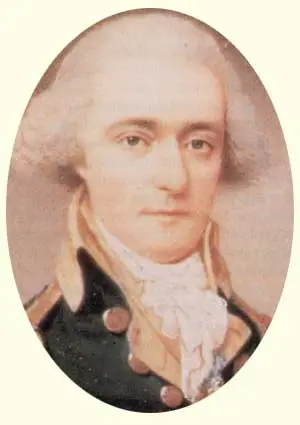
William Jackson (Wiki Image).
William Jackson was a secretary of the Constitutional Convention of 1787. He was responsible for keeping detailed records of the Convention’s debates, which have been invaluable to historians and legal scholars. He also helped to draft the final version of the Constitution.
Jackson was a skilled writer and administrator, and he played an important role in the drafting of the Constitution. He was also a strong advocate for the ratification of the Constitution.
Jackson was born in England in 1759 and emigrated to the American colonies in 1774. He served in the Continental Army during the American Revolution, and he was also a secretary to General George Washington.
After the war, Jackson worked as a lawyer and a journalist. He was also a member of the Pennsylvania State House of Representatives.
Jackson was elected as a secretary of the Constitutional Convention in 1787. He was one of only two people to keep detailed records of the Convention’s debates. His records have been invaluable to historians and legal scholars, and they have helped to shed light on the intentions of the Founding Fathers.
Jackson also helped to draft the final version of the Constitution. He worked closely with the Founding Fathers to ensure that the document was clear and concise.
After the Constitutional Convention, Jackson was a strong advocate for the ratification of the Constitution. He wrote articles and gave speeches in support of the document.
Jackson died in 1828. He is remembered as one of the Founding Fathers of the United States and for his important role in the drafting of the Constitution.