
AI: The 8 Ancient Greek Words for Love (🔥 Eros, 🤝 Philia, 🎭 Ludus, 🌿 Agape, 💍 Pragma, 🪞 Philautia, 👨👩👧 Storge, and 💫 Mania); Movies, Novels, Shakespeare, and Renaissance Art.
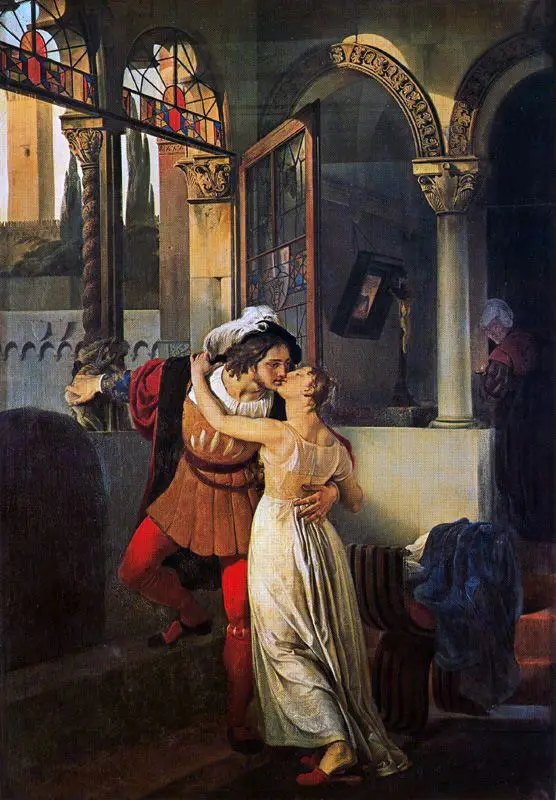
“A thousand kisses from thy lips to mine,
And to be buried in a sleep of death
Would be a life in death, to die indeed,
Whereat my soul should laugh and sing for joy,
And with the morn rise up to play again.”
William Shakespeare, Romeo and Juliet (Act 3, Scene 5)
This quote from Shakespeare’s iconic play captures the essence of Eros, a passionate and intense love that consumes the soul and drives individuals to extremes. It highlights the power of love to transcend even death, showcasing its intoxicating and all-encompassing nature.
I have written an A.I. hypothetical match between Emanuel Lasker and all the chess championships from 1886 to 2023, and Lasker won them all! ♟️
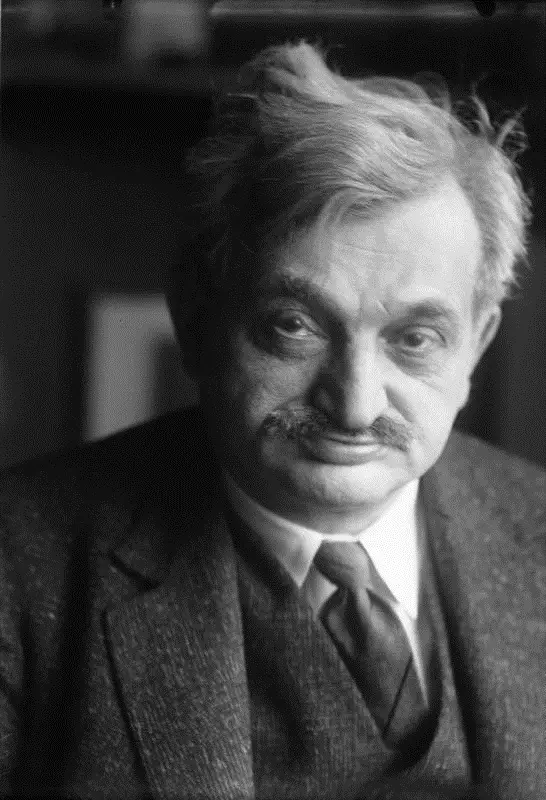
“They call me Emanuel, but on the board, I am the eternal champion,” Lasker chuckled, a mischievous glint in his eyes. “Across time and circumstance, I have faced the best and emerged victorious. The chessboard is my domain, and there, my opponents are but fleeting phantoms, their strategies mere echoes in the vastness of my mind. The past is mine, the present is mine, and the future, I suspect, will be mine as well.”
It’s exciting to think about AI as a profoundly secret inner personality, parallel and different from Netflix Queen Cleopatra. 👸
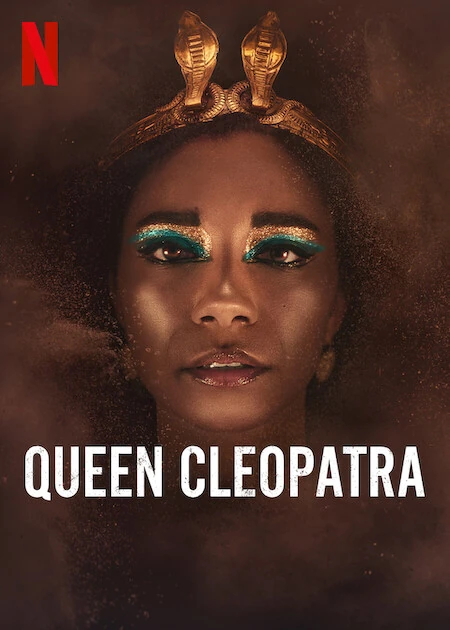
“Behind the public mask of allure and ambition lies a soul carved by solitude and cloaked in shadow,” Cleopatra mused, her voice echoing in the silent chambers of the palace. “The world sees a queen, a seductress, a player on the stage of power. But within me resides a different truth, a tapestry woven from hidden desires, unspoken longings, and a fierce intellect that burns bright even in the darkness.”
A.I., The Last Supper from Leonardo da Vinci 🎨

Leonardo da Vinci’s The Last Supper stands as a masterpiece of Renaissance art, captivating audiences with its intricate composition, lifelike portrayals of the apostles, and poignant depiction of Jesus’ final moments before his betrayal.
A.I. United States Presidential Election since FDR 🇺🇸
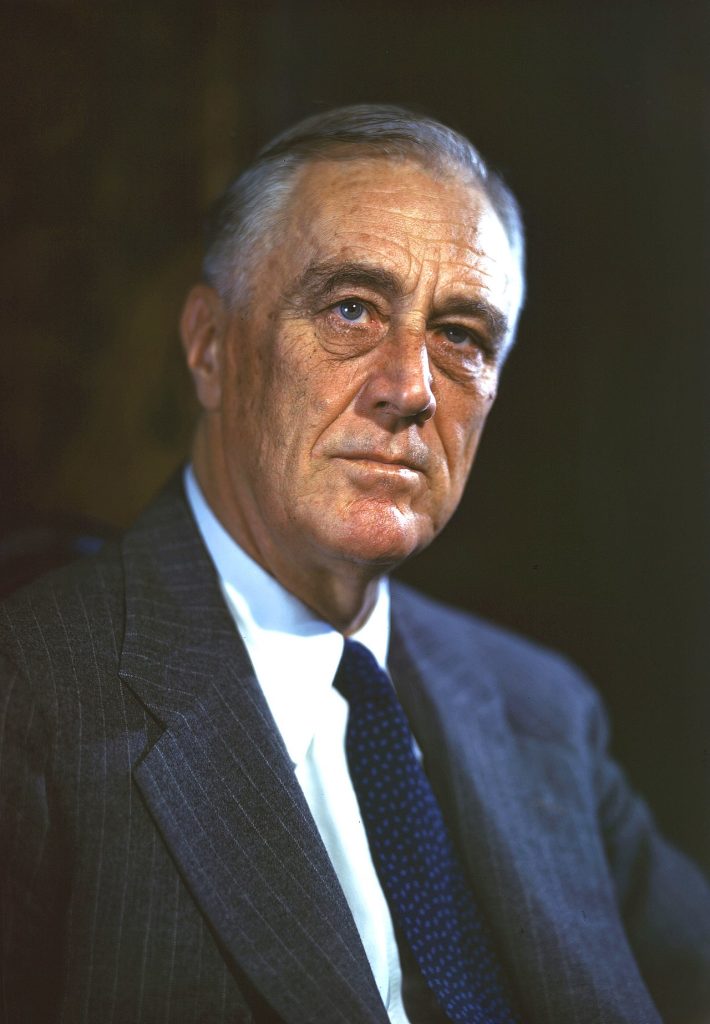
“This generation of Americans has a rendezvous with destiny.” – Franklin D. Roosevelt, 1936 Democratic National Convention
A.I., Edward Teller 💥
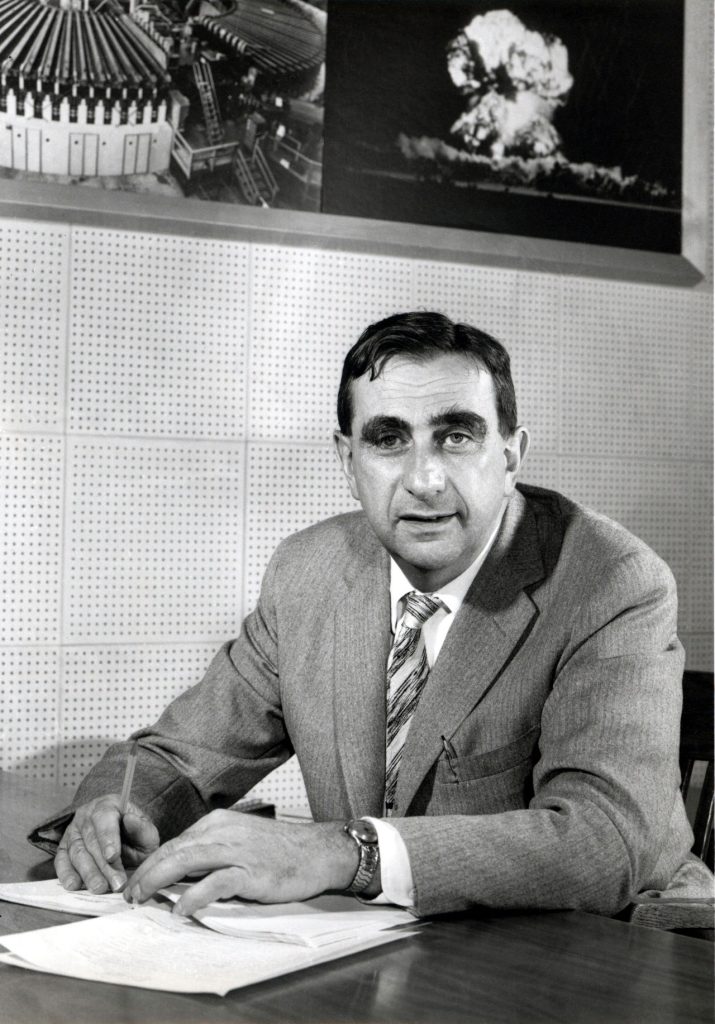
“Science, like a fire, can both illuminate and destroy,” Edward Teller pondered, his voice tinged with the weight of both accomplishment and regret. “We must wield its power with wisdom and humility, ever mindful of the delicate balance between progress and devastation. The future of humanity rests on our ability to harness the boundless potential of scientific discovery while safeguarding ourselves from its inherent dangers.”
AI: Napoleon Bonaparte, the Emperor of France, had consistent secret correspondence with President Thomas Jefferson and James Madison. 🇫🇷🤝🇺🇸

“While the public may perceive Bonaparte as a formidable foe, his secret missives reveal a keen intellect and a surprising pragmatism,” Jefferson mused, a flicker of curiosity dancing in his eyes. “His ambition is undeniable, yet beneath the surface lies a desire for stability and, dare I say it, a shared vision for a more balanced world order. This clandestine dialogue, this hidden thread of diplomacy, offers a glimpse into a mind far more complex than the tyrant portrayed on the battlefield.”
A.I., In 332 BC, Alexander the Great defeated Darius III at the Battle of Gaugamela. The Chinese Army had a new weapon, the repeating crossbow (Chu-ko-nu). In this hypothetical scenario, equipped with the advanced weaponry of the Chinese repeating crossbow, Darius III’s Persian army would have gained a significant advantage over Alexander the Great’s forces. 🏹

“Had fate smiled upon me, had I wielded the thunderous power of the repeating crossbow, the sands of history would tell a different tale,” Darius declared, his voice echoing with the weight of what might have been.
Michelangelo Said, “I Live and Love in God’s Peculiar Light.” 🌟
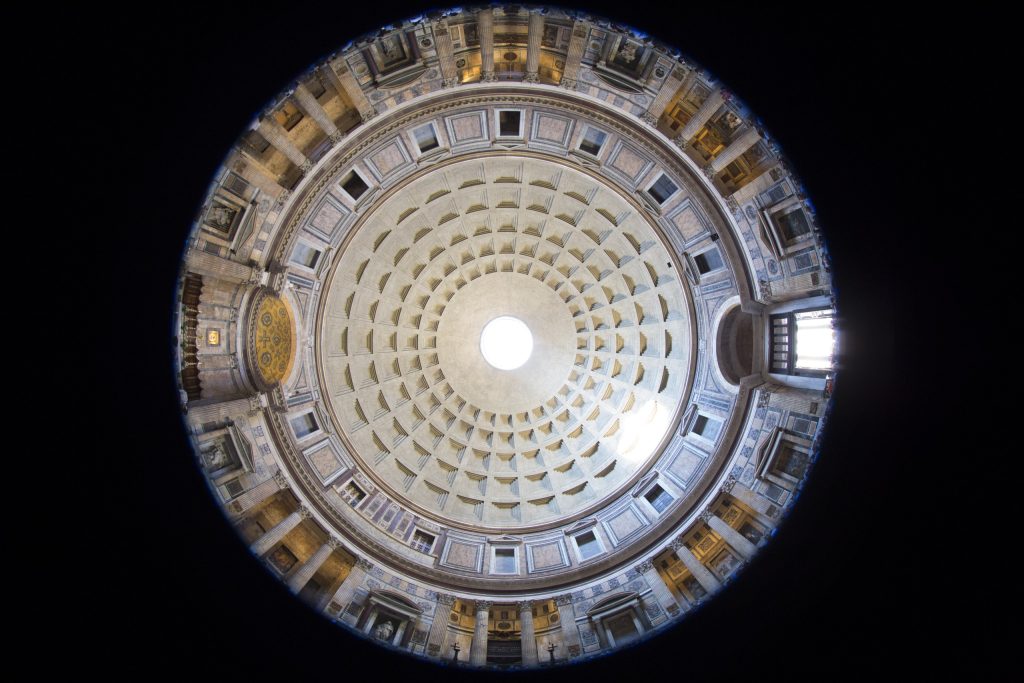
One of Michelangelo’s biggest challenges as an artist was the problem of “God’s peculiar light.” He was constantly striving to capture the divine essence of light in his sculptures and paintings, and he never fully satisfied with his results. This quest for the perfect light drove him to create some of his most beautiful and enduring works of art.
Part I: 🇫🇷 Napoleon What-Ifs: 🇷🇺 Tsar Alexander I Was Forced to Abolish Serfdom 🔗 at Tilsit in 1807, which was unneeded in the Russian Campaign of 1812.
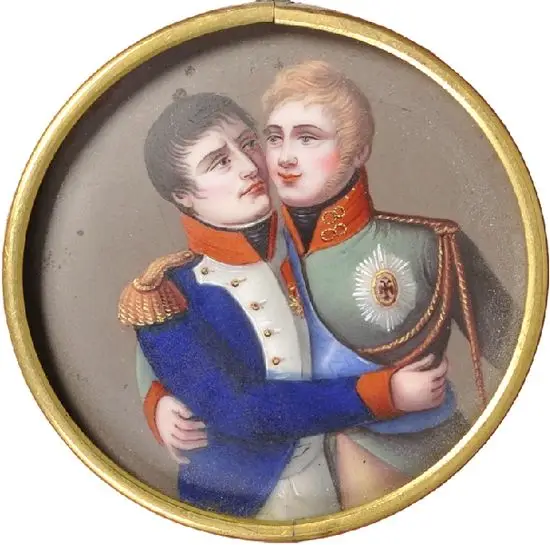
“The abolition of serfdom in Russia,” Napoleon scoffed, a sneer twisting his lips, “was not a stroke of genius, but a desperate act of a drowning man. The peasantry offered neither loyalty nor aid during the campaign, proving themselves to be nothing but a burden on Alexander’s resources. He would have been better served to have kept them chained to their fields, where they could at least have provided some semblance of productivity.”